The United Nations and Psychosocial Disabilities

Recently, members from UAB’s Institute for Human Rights (IHR), including myself, had the opportunity to visit the United Nations (UN) in New York City for the 11th Conference of States Parties (COSP) on the Convention on the Rights of Persons with Disabilities (CRPD). The CRPD is an agreement that details the rights of persons with disabilities (PWD) with a list of codes for implementation, where both states and disabled people’s organizations (DPOs) are suggested to coordinate to fulfill such rights. Currently, the CRPD has 177 ratifying parties, with the United States being one of the last to have not ratified it, although it was modeled after the Americans with Disabilities Act (ADA), the cornerstone for disability rights in the U.S.

I had the opportunity the serve as rapporteur for Round 3 of the General Debate, witnessing representatives address issues such as education and employment barriers for PWD in rural Afghanistan, India’s concern about the treatment of women and girls with disabilities, Malta’s 20 million Euro dedication to programs and organizations for PWD and Peace 3 Foundation describing how climate change disproportionately endangers PWD. Additionally, I attended many side events that covered topics such as the Voice of Specially Abled People (VOSAP) phone app, barriers to political participation in the Middle East and North Africa, and the first Regional Report of the Americas. The side events were less formal and engaging because the audience was welcomed to participate by sharing their thoughts and expertise, allowing coalition building to take place.

IHR at the 11th COSP to the CRPD. Source: UAB Institute for Human Rights


Amid this experience, there were a few important lessons learned. First, there is an enormous push for inclusive education, as opposed to special education, which values PWD’s contributions, equips them with essential skills and validates their societal presence. This approach would allow PWD, namely children, to learn and grow with their peers. Secondly, many nations are not responsibly addressing psychosocial disabilities which are clinical conditions/illnesses that affect one’s thoughts, judgments or emotions. Many countries have legislation that prevent people with an “unsound mind” from full participation in society, which doesn’t relate to one’s acts, but only their character. This stigmatizing approach effectively criminalizes their disability status, possibly resulting in forced institutionalization that separates them from loved ones and their community. Finally, there are countless people worldwide addressing disability rights. In the U.S., it seems disability rights are in the background, while other justice causes get most of the attention; however, I am confident that persistent coalition-building between justice organizations, especially in our impassioned political climate, will change this narrative, much like the collaborations built through the CRPD.

I want to use this blog as an opportunity to address an issue that has personal sentiments and speaks to my second point, stigma toward people with psychosocial disabilities (PWPD). Given my experience working in homeless shelters and having someone close to me who was institutionalized for their schizophrenia diagnosis, I believe there is a cultural disparity in how we talk about psychosocial disabilities because, on many occasions, they are addressed from a criminal and/or deviant lens, often devaluing the person(s) being addressed. According to the Mental Health and Human Rights Resolution of the Office of the United Nations High Commissioner for Human Rights, PWPD are defined as those, “…regardless of self-identification or diagnosis of a mental health condition, face restrictions in the exercise of their rights and barriers to participation on the basis of an actual or perceived impairment.” Psychosocial disabilities differ, meaning they are capable of being episodic, invisible and/or not clearly defined (e.g. depression, post-traumatic stress disorder and schizophrenia). Also, psychosocial disabilities are subjected to a medical narrative that arguably benefits mental health industries more than consumers.

Two years ago, during the 9th COSOP to the CRPD, Paul Deany (Disability Rights Fund Program Officer) claimed psychosocial disabilities are addressed in many countries through Western-influenced legislation that is separate from other disabilities, streamlining the establishment of psychiatric institutions that undermine fundamental issues for PWPD such as workforce participation, health care and political/rights. Therefore, we cannot view this concern as being exclusive to poor, underdeveloped nations because psychosocial disability stigma in rich, developed nations have fed this narrative and still have a prominent effect on PWPD. Although, to achieve collaborative global efforts that empower PWPD, supportive mental health policy must, first, be endorsed on the homefront. For example, political turmoil in the U.S. has contributed to recent events geared to strip health coverage from millions of vulnerable Americans. These efforts clearly demonstrate political incompetence of the mental health discussion at-large and confess to a larger narrative that admits power doesn’t always equate to knowledge and global leadership must be justified, not assumed.

Although many countries have enacted and enforced rights for PWPD, other countries are falling behind. For example, in Indonesia, roughly 18,000 people are forced into pasung, the practice of shackling or locking one in a confined space. Although pasung was banned by Indonesian authorities in 1977, families and healers continue to exercise this inhumane practice because they believe evil spirits or immoral behavior induce such disabilities. A similar practice in Ghana, at Nyakumasi Prayer Camp, was scrutinized last year, followed by the release of 16 people and the country’s Mental Health Authority claiming they would begin properly enforcing the shackling ban put into law in 2012. Such treatment of PWPD clearly impinges the Universal Declaration for Human Rights (UDHR), a watershed document for global peace, by violating commitments to end “cruel, inhuman or degrading treatment or punishment” (Article 5) and equal protection before the law without discrimination (Article 7).

To someone living in the modern U.S., such treatment seems unimaginable. However, past images of PWPD experiencing isolation and inhumane treatment inside the asylum walls are now echoed from a different, yet similar, perspective. During the mid-20th century, the U.S. underwent a period of deinstitutionalization which saw the closing of large state institutions that harbored PWPD. Largely due to the advent of the antipsychotic drug Thorazine, thousands of people were discharged from state mental hospitals and the shutting of such doors soon followed. However, the following decades have seen an influx of criminalizing PWPD, leading to their incarceration, where jails and prisons now serve as some of the nation’s largest de facto mental hospitals. This series of events, which moves PWPD from one total institution to another, undermines the liberation narrative of deinstitutionalization by continuing to segregate PWPD from their families and communities. As a result, this misfortune contributes to the current crisis that has seen the U.S. prison population increase by 408% between 1978 and 2014.

These appalling scenarios underscore a comment made by the representative of Kenya, during my visit to the UN, who insisted that policy cannot solely enforce human rights because programming must also be present to guide that path. Since 2007, Users and Survivors of Psychiatry in Kenya, a DPO, has not only influenced legislation that expands the rights of PWPD, but also organizes participatory public education programs through various media outlets, challenging stigma and misconceptions. On the other side of the Atlantic, in Connecticut, the Center for Prisoner Health and Human Rights works with local governments, universities and health systems to ensure recently incarcerated people access health care and insurance. Many of the individuals receiving such care access health-related goods and services to treat psychosocial disabilities that could’ve influenced or been a byproduct of their incarceration. Looking forward, this is the type of advocacy and programming that needs to be highlighted so it can be shown that good governance, particularly through the CRPD and ADA, is possible.
Old Habits Die Hard: The Self-Perpetuating Cycle of Ageism

Most of us have been told at some point to respect our elders. Opening doors, assisting in street transit, carrying groceries — all of these social niceties are expected to be paid specifically to older members of society. Respect for elders seems to occur universally as a cultural norm. Korean culture joyfully celebrates the one’s sixtieth birthday as the passage into old age, while honorific suffixes such as “-ji” in Hindi and “mzee” in Swahili indicate longstanding cultural respect for one’s elders. Some Ecuadorian cultures believe that their elder shamans, or mengatoi, become powerfully magical as they age (Jacobs). China even made it illegal to neglect one’s parents, outlining the legal duties of adult children to include frequent visitation and “occasional greetings” (Wong). Older people in America engage in vigorous self-advocacy, making the AARP one of the largest interest groups in the nation at nearly forty million members.

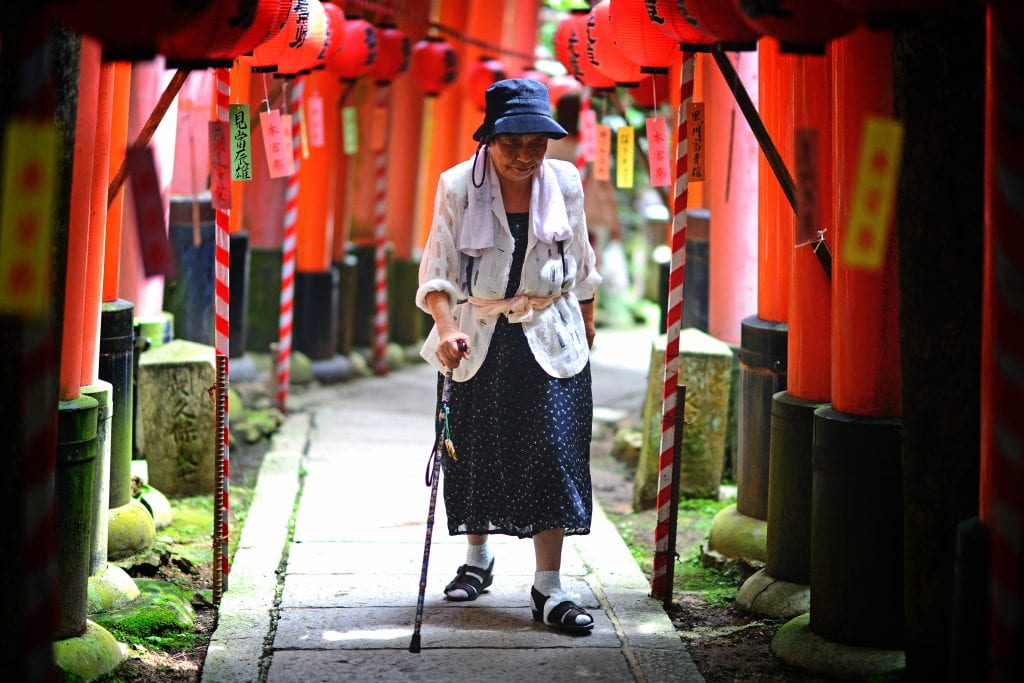
Happy Parishioners. Source: Joonas Tikkanen, Creative Commons.

So why then does society reflect the exact opposite of these norms? Old people are treated as feeble, unfortunate beings who are shown courtesy in public and yet face widespread discrimination. Both pernicious and insidious, ageism is defined as “the stereotyping and discrimination against individuals or groups on the basis of their age; [forms of ageism can include] prejudicial attitudes, discriminatory practices, or institutional policies and practices that perpetuate stereotypical beliefs” (World Health Organization). Ageism is an “ism” that is just as socially impactful as other forms of discrimination, yet the topic is rarely addressed and often disregarded. Despite lack of discursive engagement, ageism is a unique type of social discrimination in that it can transcend all other human identities. The process of aging affects every human being regardless of one’s sexuality, race, and political ideology. Most of us will eventually pass the cursed line that society demarcates between youth and old age and must suffer from the hostile, deeply discriminatory system that we ourselves once benefited from in our youth — and what a pervasive system it is. Surveys show that a whopping 80% of people over sixty have experienced some form of ageism (Dittman). Tad Friend supplies this neatly unpacked explanation in an article published by the New Yorker:

Like the racist and the sexist, the ageist rejects an Other based on a perceived difference. But ageism is singular, because it’s directed at a group that at one point wasn’t the Other—and at a group that the ageist will one day, if all goes well, join. The ageist thus insults his own future self.”

The Long Road. Source: Hansel and Regrettal, Creative Commons.

In just two years, it is predicted that more people will be over the age of sixty-five than under the age of five for the first time in Earth’s history (United States Census Bureau). In fact, according to the United Nations, the number of older persons is increasing more rapidly than other age group. This phenomenon is known as the “graying” of a population, and constitutes an urgent issue for affected countries. As people age, they become less able to physically care for themselves and usually exit the workforce at some point to retire for the latter part of their lives. As health conditions do generally worsen with age, the demand for medical and/or personal support services grows as older people continue to age and retire.

This becomes an issue when the size of a country’s workforce becomes insufficient to fill the demands of service-dependant older people. In nations with large workforces, the opposite issue — lack of opportunity for employment — still disproportionately harms older people. Many industries, particularly in America, push out older applicants and terminate veteran employees in favor of younger options. As industry culture has begun to tilt in favor of youth, older people have experienced a massive amount of workplace ageism. Nearly 65% of Americans between the ages of 45 and 60 had either seen or experienced age-based discrimination in the workplace (AARP). This may seem like a trivial issue, but unemployment is a dangerous state to endure at advanced ages. Worsening health conditions go hand in hand with both lower income and increased age; the combination of these factors can be fatal.

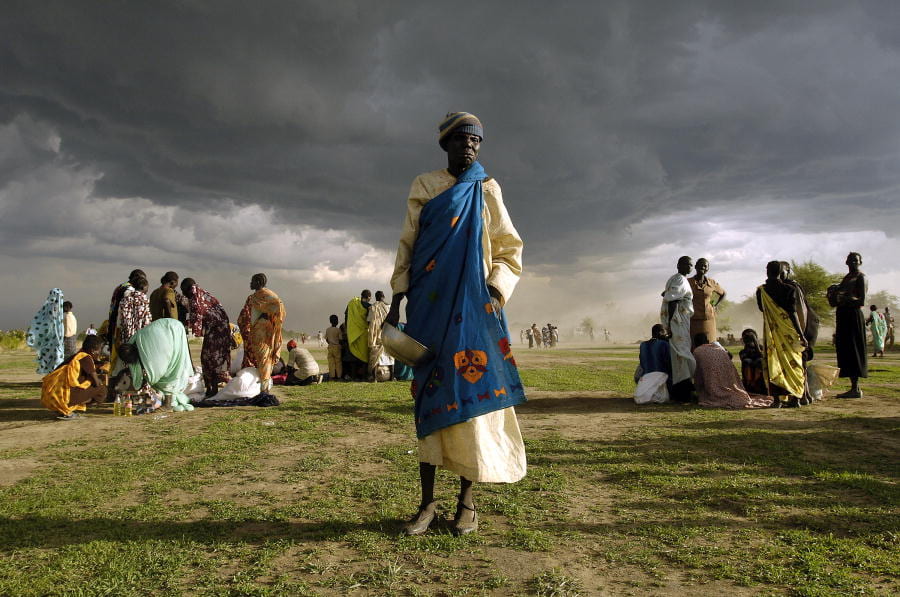
An elderly Sudanese womangets ready to receive her ration of emergency food aid.
Elderly Woman Receives Emergency Food Aid. Source: Tim McKulka/UN Photo, Creative Commons.

So why does ageism even exist? Princeton researchers found that most ageist arguments stem from issues with consumption (old people already consume too many scarce resources), identity (old people try to act younger than they are), or succession (old people had their turn, now they should move out of the workforce/society to make space for the new generation). All of these issues — consumption, identity, and succession — frame humanity in a way that associates one’s value with their usefulness to society. However, human beings should not be defined by their utility. Simply put, old people exist. They form one of the largest populations on the planet, and are rapidly growing. We cannot deny older people the dignity that we (supposedly) award to all else simply because they are perceived as “useless” to society. Human rights cannot and should not be applied conditionally.

This unfortunate phenomenon is surrounded by the related topic of disability. According to the 2016 Disability Statistics Annual Report, 35.4% of Americans over the age of 65 had a disability, which is over three times higher than the rate of working-age (18-64) Americans at 10.4%. Like advanced age, disability is also perceived as a barrier to social utility. Age and disability together form a potent one-two punch of compound discrimination, making older people with disabilities extremely vulnerable to abuse and exploitation.

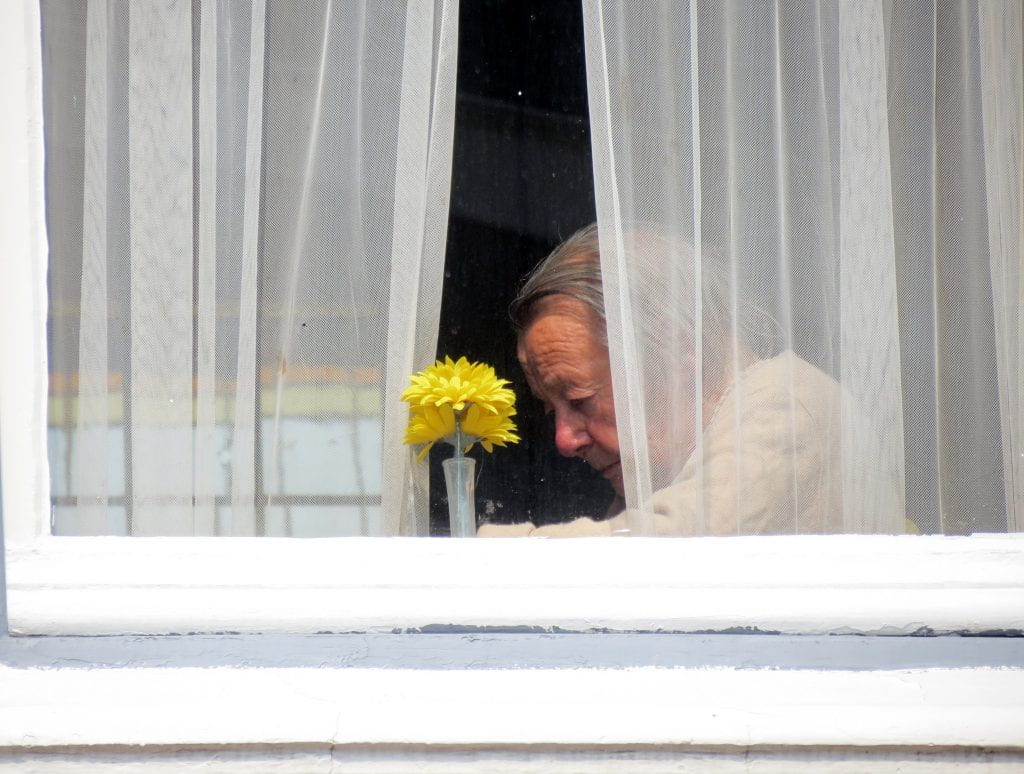
An old woman sits at a window next to a yellow flower in a vase.
Untitled. Source: Bas Bogers, Creative Commons.

Elder abuse, as it is termed, is widespread but often under-reported. National rates are reported to be around 10%, though researchers at the prominent New York Elder Prevention Society found self-reported rates of elder abuse to be up to 24 times higher than the documented rate. Only 3% of  older people in New York officially reported any form of elder abuse, though nearly three-quarters self-reported that they have experienced neglect or financial, physical, sexual, and emotional abuse. This number may be inflated by the instances where individuals experience multiple types of abuse, making exact numbers more difficult to isolate. The most common forms of elder abuse are financial and physical/sexual abuse, which can occur concurrently.

Nursing homes, meant to protect and nurture their patients, are actually one of the most dangerous environments for vulnerable older persons with disabilities. The Nursing Home Abuse Center reports a nursing home abuse rate of about 44%, and a neglect rate of nearly 95%. Elder abusers are rarely prosecuted due to stigma, social isolation of the victim, lack of support services, inaccessible reporting, and proximity of abusers. Relatives constitute about 90% of elder abuse perpetrators, which often makes the victim reluctant to prosecute their own spouses, adult children, or other relatives.

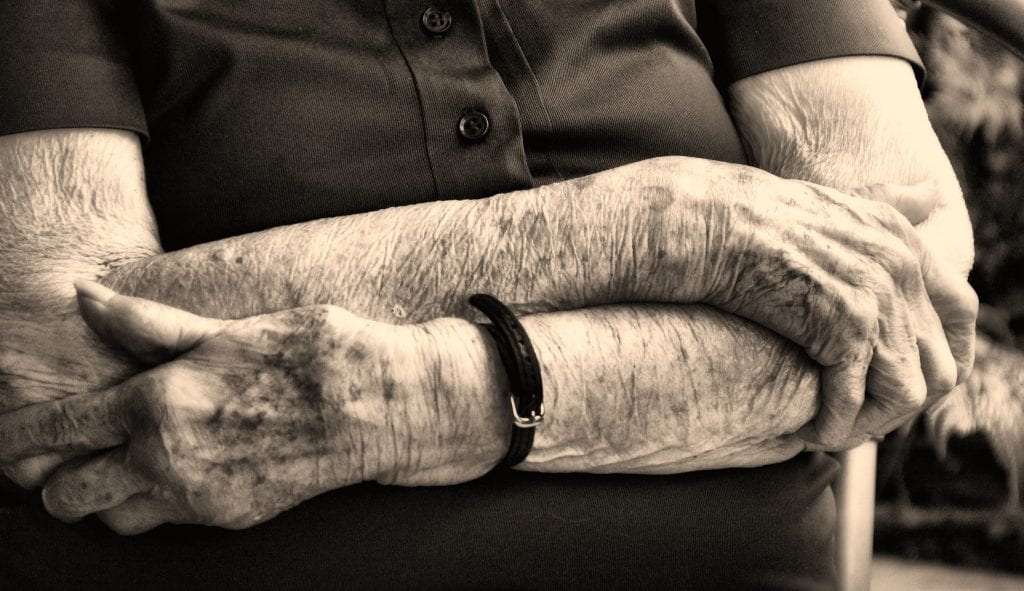
Skin. Source: Victor Camilo, Creative Commons.

Direct abuse and neglect of the elderly is widely sustained by the deeply pervasive public attitude of hostility towards aging. Beauty products are regularly marketed as “anti-aging,” covering up the crows’ feet, varicose veins, liver spots and silver hairs that inevitably accompany a well-lived life. Most of the stigma is inevitably directed at aging women, as femininity carries the heavy burden of visual appeal. The cosmetic surgery industry is booming as women are pressured to appear as veritable supermodels long after the glow of youth has faded. Social media surrounds us with visuals of gorgeous, toned, smooth-skinned women who never seem to age a day, while the rest of us have to keep up with whatever products, surgeries or diets we can find.

Gone are the days where women past a certain age could relax into frumpy mom jeans and orthopedic tennis shoes without fearing judgment. Modern grandmothers now face the strenuous expectation to maintain a Helen Mirren-esque figure with the style and poise of Meryl Streep. Notably, these two women are some of the very few well-known older actresses; both have had to work tirelessly to achieve that notoriety, considering Streep’s record-breaking two-dozen Academy Award nominations and Mirren’s prestigious Triple Crown of Acting that has only ever been awarded to 23 people. It’s undeniable that Hollywood has a major problem with representation of women over thirty. Men in the acting industry get a few extra decades of “silver fox” stardom while women face rejection at first wrinkle.

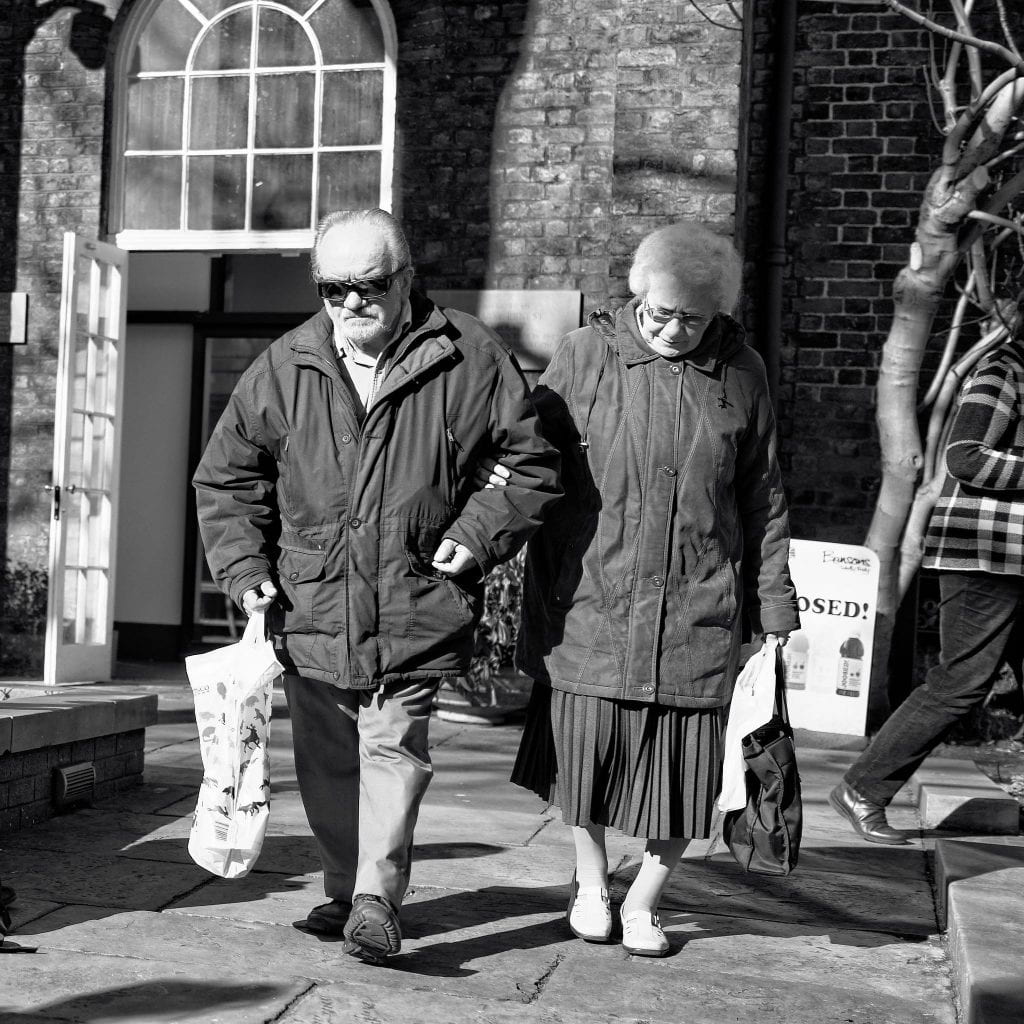
An older couple links arms as they carry bags and walk together.
Lean on Me. Source: Amro, Creative Commons.

Ageism sometimes feels like an inescapable facet of society, but it shouldn’t have to be. Encouraging and celebrating old age will eventually serve to benefit everyone, as positive attitudes towards aging have been shown to increase lifespan by nearly eight years. Elderly people have had autonomy and dignity systematically stolen from them through attitudes of derision and pity– they are constantly viewed as either cantankerous burdens to society or doddering, wretched old fools.  One’s social contribution or lack thereof should not be a determinant in preserving human dignity. After all, human rights are for all humans, right?

From here, we have to do better on a global scale. Any success in reducing ageism requires confrontation of our own internal prejudices, since youth are the major perpetrators of age-based discrimination. The efforts we make today in reducing oppression for older individuals will directly impact our future experiences. Psychologists have found three major components essential to active engagement in fighting ageism:

  1. Social integration
    • Often, elderly individuals are unable to fully participate in society due to social hostility and lack of accessibility. Many of us have not been educated on topics relating to older people, and some even may find engaging with the elderly to feel uncomfortable. Fuller integration into society would foster respect for the aged community, as increased public presence of older individuals would promote culture of tolerance.
  2. Reduce cultural shame
    • Current media culture is incredibly toxic towards older people, and portrays the elderly in a negative light far too frequently. Advertisements should attempt to portray older people with respect to their human dignity, rather than the foolish, bumbling representations that are far too common in current media.
  3. Accept aging as a fact of life
    • Ageism often stems from personal fears of death and dying. This fear is incredibly common but damaging to both society at large and to individuals who hold them– ironically, negative attitudes towards aging have been shown to decrease lifespans. To combat this, old age should be normalized and celebrated.

Clearly, ageism is not something that can be eradicated at all once. It requires active change on both an institutional and personal level, as age-based discrimination is deeply ingrained in cultural attitudes and everyday interactions. Monumental as it may seem, ageism is still an issue that we must tackle if we ourselves are to experience old age with the dignity that all humans deserve. So remember to always respect your elders, whether out of regard for human dignity, self-preservation, or both.

Protests: Movement Towards Civil Rights

** The National Walkout Day last week and the upcoming March for Our Lives protests organized by the surviving students of the Parkland school shooting in February has prompted this blog repost from 2016. 

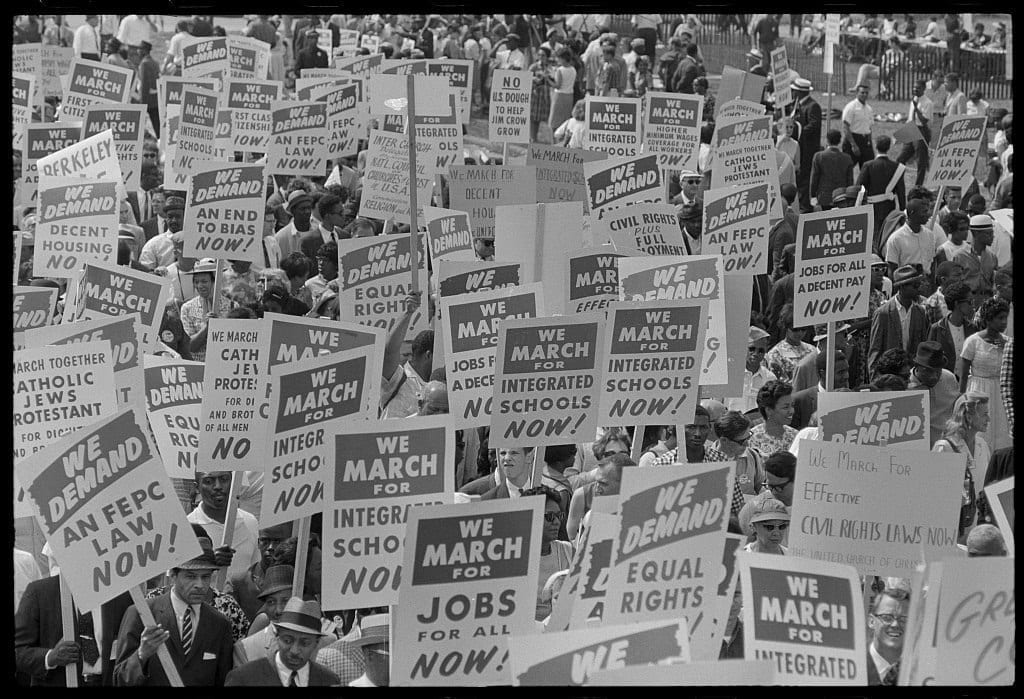
Signs carried by many marchers during March on Washington, 1963. Source: Library of Congress, Creative Commons.


Have you ever considered the pilgrims’ decision to leave England over religious freedoms, as a protest? Or slave rebellions as a protest to the dehumanizing treatment of being viewed as less than human or 3/5 of a person? Or the suffragettes dressed in white marching for the constitutional right to vote? Often most people point to protest images of the Civil Rights movement or Vietnam War as finite examples of protest, believing that protests are a thing of the past and no longer applicable in 2016. What I find fascinating is how quickly a protest is discounted as merely a group of unsatisfied people gathering together under a banner of their perceived oppression.

I use the phrase “perceived oppression” because it was used as a matter of fact, rather than projected opinion, by Facebook webstar Tomi Lahren in an interview two weeks ago. During a segment, Lahren assumed that Colin Kaepernick’s national anthem protest was rooted in his “perceived oppression” about how black people and people of color are treated in this country. Aside from The Daily Show audience, Tomi Lahren’s videos boast between 7-17 million views – an incredible feat for someone who doesn’t seem to understand the power of her platform. Lahren is entitled to her opinion. She is granted that right as a human being and a citizen of this country, as written in the first amendment. Additionally, Colin Kaepernick, Black Lives Matter, gay rights activists, and anti-abortionists do too. Here’s where I have issue: the lack of regard for fact and truth. So where does a disregard for truth and fact leave the minorities who are oppressed? They remain outcasts due to opinion rather finding allies through fact.

The fact is oppression is real.

It is not just an impact felt by American minorities; it is an international way of societal coexistence to which the natural response is protest and resistance. **For the sake of this blog, the term ‘minority’ means every group that is not a part of the majority, whether by race, gender, class, ethnicity, sexual orientation, and/or ability.

Many have concluded that the not-so-silent white majority came out in force in support of Trump over Clinton in this election. The narrative is that for the past 6-8 years, their voices had been silenced under a lack of jobs, healthcare, and education. In this election and with this new president, their voices are now being heard. Yet, what about the voices of the minority groups who have been asking for the same things for longer than 6-8 years… how about centuries? When and how will their voices be heard?

Most major languages have a word for violence; however, the idea of nonviolence is the combination of the words that mean ‘not violence’. The Sanskrit word, ahimsa, means ‘not doing harm’, and Mahatma Gandhi reiterated that ahimsa “does not mean meek submission to the will of the evildoer, but it means pitting one’s whole soul against the will of the tyrant.” Gandhi and Dr. Martin Luther King, Jr. are names synonymous to the principle and practice of nonviolent resistance.

Gandhi was the first to explore the expansion of nonviolence from an individual lifestyle into a concerted political and social justice strategy, believing that nonviolence was used with more frequency and brought about more success than violence. Dr. Erica Chenoweth and Maria Stephan analyzed 323 violent and nonviolent resistance movement from over 100 years, substantiating Gandhi’s claim: “nonviolent resistance campaigns were nearly twice as likely to achieve full or partial success as their violent counterparts.” Dr. Stephen Zunes concludes that nonviolent action, in the form of resistance, has been taking place as a part of political life for centuries. It is their success which has garnered attention as the cause of human rights has advanced as a direct result of “toppling or dramatically reforming repressive regimes.” Nonviolence protest is a deliberate tool for social change. It is not an ad hoc strategy. It is, rather, a methodical method of struggle which is no longer simply rooted in religious or ethical principles. Gene Sharp labels it as political defiance.

So what is protest?

Protest is a right. The first amendment of our Constitution grants all Americans the right to peaceful assembly and to express dissatisfaction to the government. Additionally, according to Article 20 of the Universal Declaration of Human Rights (UDHR), peaceful assembly has been declared a human right. The clarifying word is peaceful, or nonviolent, in both documents. It is imperative to understand that a riot is not a right.

Protest is different to riot. Dr. King emphasized that the riot is socially destructive and self-defeating but it is also the “language of the unheard,” thus the counteraction to a riot is to organize in nonviolent resistance based on the principle of love.

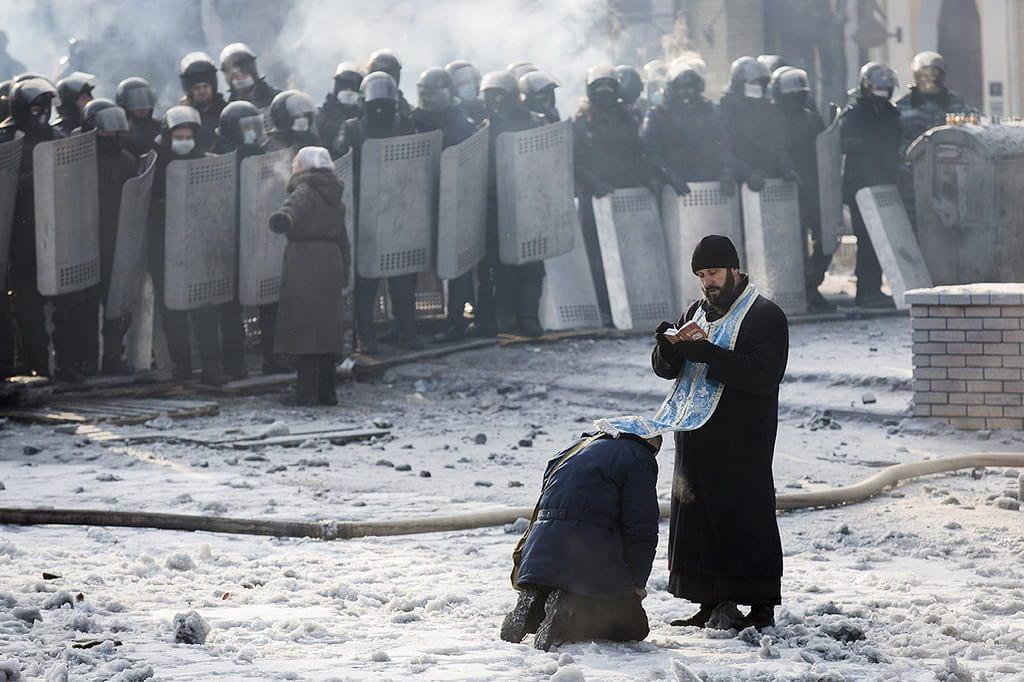
Kiev monk hearing confession during protest. Source: Jim Forest, Creative Commons.


Protest is not passive. Students in Serbia (Yugoslavia) organized a nonviolent resistance in cities around the country as a means of protesting the dictatorship of Slobodan Milosevic. They called themselves, Otpor!. By adapting Gene Sharp’s book as a manual, Otpor! positioned themselves under a threefold banner of unity, planning, and nonviolent discipline. The strategy was nonviolent resistance with concerts, sprayed painted slogans, and ridicule of the government, including a “birthday party for Milosevic”. The resistance which began as a student-led protest became a movement of more than 700,000, resulting in an overthrown government.

Protest is the struggle for recognition of an injustice. By honing in on societal structural violence, which is made manifest through cultural and social institutions, nonviolent protests are not about ‘attacking people’ as much as they are about calling attention to and addressing the “psychological, social, economic, and political weapons applied by the population and the institutions of the society”, believes Gene Sharp. In New York City 1985, at the height of the AIDS epidemic, the gay community and their heterosexual allies took to the streets in protest of governmental failure to fund and research a cure. At the time, millions of people worldwide had succumbed to AIDS-related illnesses. Activists under the banner of ACT UP and TAG sought to bring awareness and solution to governmental decision to penalize human beings for their lifestyle choice. Therefore, not only were they denied their constitutional right to protest but their human right to medical care which is included in the standard of living, identified in Article 25 of the Universal Declaration of Human Rights (UDHR).

The UDHR is the international standard for the treatment of human beings. The document sheds light on Dr. King’s pronouncement that “Justice is indivisible. Injustice anywhere is a threat to justice everywhere.” What interesting is that the Pledge of Allegiance and the Constitution of the United States of America both speak of liberty and justice is for all, and that all men are created equal. Equality is a misnomer for some citizens of this country and the world.

How does justice exist for all if you are the target of a hate crime or laws designed against you?

Gandhi said, “The first condition of nonviolence is justice all round in every department of life. Perhaps, it is too much to expect of human nature. I do not, however, think so. No one should dogmatize the capacity of human nature for degradation or exaltation.” To find justice all round in every department of life, a person must begin with self. Johann Gottlieb Fichte announced, “if you are to see differently, you must first of all become different.”

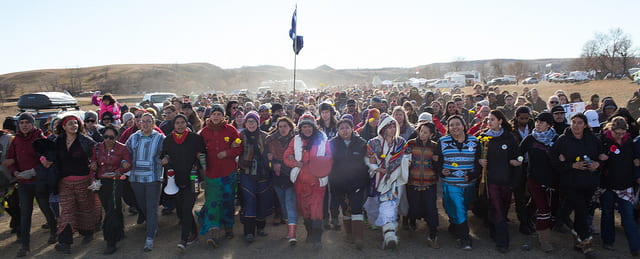
Source: Revolution Messaging, Creative Commons.

Protest is the courageous outward expression of inner dissatisfaction or disapproval. Angela Y. Davis asserts that the struggle is exemplified in protest. Grassroots nonviolent movements, or as Diana Francis refers to them as “people power” movements, have consistently challenged repressive and unjust systems for generations. So what can you do to join nonviolent resistance movements which seek to expose and eradicate structural violence directed at minorities in the form of oppression and repression? Adapt four characteristics of a nonviolent ethic as exemplified in Gandhi and King. The four characteristics of identity and ethics from the lives of Dr. King and Gandhi are a compassionate, cosmopolitan worldview, a truthful reality, an educated voice, and love. As students of their work and life, we can possess and impress these characteristics upon others, transforming the world through personal change in order to garner social change.

  • A compassionate, cosmopolitan worldview: The word cosmopolitan comes from the Greek words cosmo meaning world, as in universe not earth, and polis referring to the city that one owes loyalty. Voltaire says, “Cosmopolitans… regard all the peoples of the earth as so many branches of a single family, and the universe as a state, of which they, with innumerable other rational beings, are citizens, prompting together under the general laws of nature the perfection of the whole, while each in his own fashion is busy about his own well-being.” Therefore, the possession of a cosmopolitan worldview means we have placed ourselves under the loyalty of the world and the citizens who share this common space, with the added dimension of compassion.
  • A truthful reality: A truthful reality is not a denial of the past. It is the understanding that the past and those who endured it, are the launching pad for those of us living in the present. Davis states, “in the 1960s we confronted issues that should have been resolved in the 1860s. And I’m making this point because what happens when 2060 rolls around? Will people still be addressing these same issues? And I also think it’s important for us to think forward and imagine future history in a way that is not restrained by our own lifetimes.”
  • An educated voiceWilliam Ellery Channing concluded that “others are affected by what I am, and say, and do. And these others have also their sphere of influence. So that a single act of mine may spread in widening circles through a nation or humanity.” Everett Rogers studies the diffusion of innovations in societies. He has concluded that for an idea–whether true or false, good or bad—to become embedded in society, it only takes 5% of the population to believe it, and if 20% become aware of the idea, it becomes unstoppable. In Rwanda, the genocide of Tutsis by Hutus in April 1994, was because of untruths spewed from the radio.
  • Love: Dr. King professed that “love is the only creative, redemptive, transforming power in the universe.” The beauty of love is that you can love and disagree. Love is a choice. You choose to be ruled and guided by love, just as you choose to be ruled and guided by fact or opinion, or emotions and feelings.

Protest gives an AND rather than an OR.


“Wonder”: Bullying Redefined

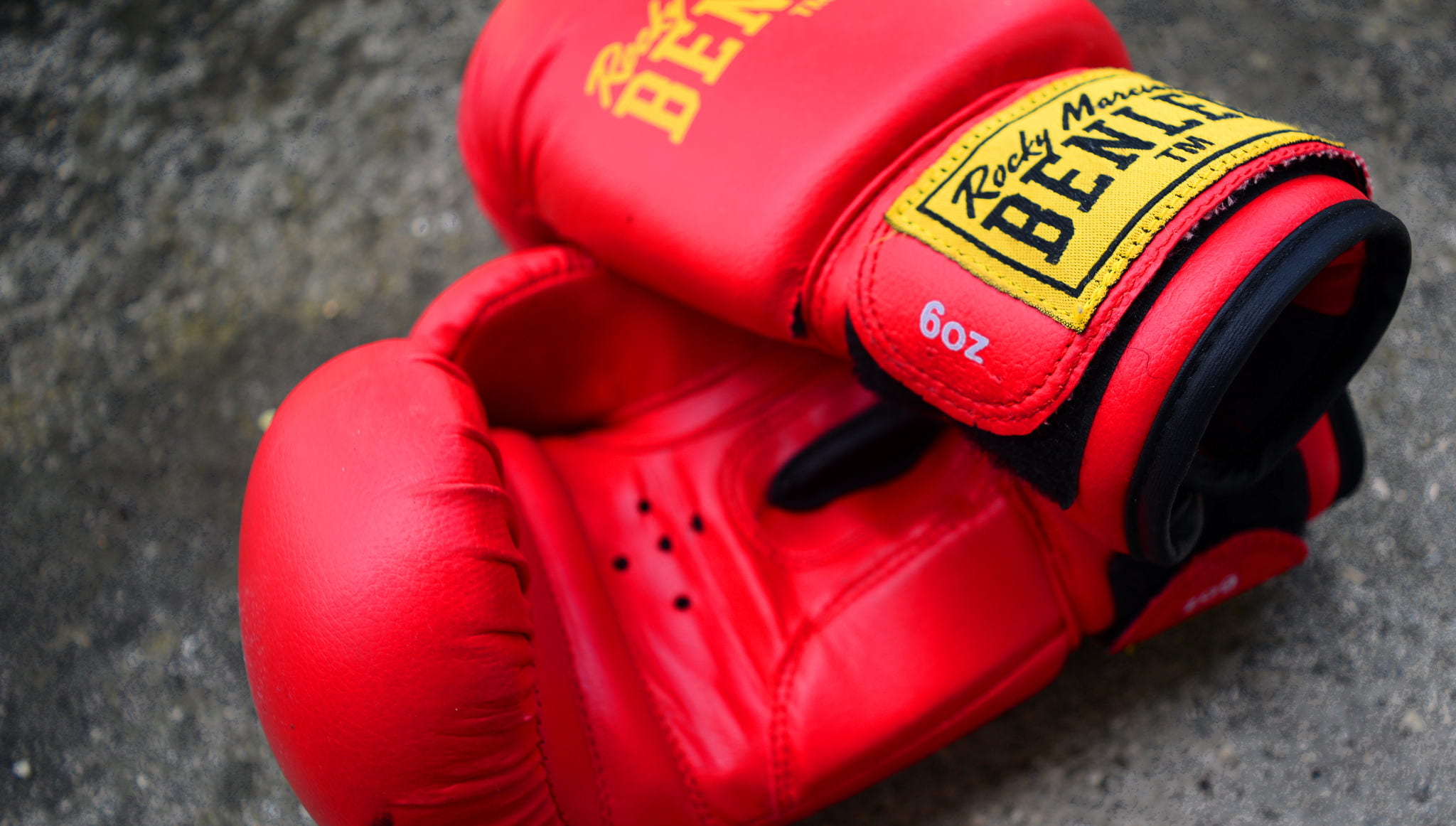
a picture of boxing gloves
Boxing gloves. Source: Franz Kohler, Creative Commons

“Sticks and stones may break my bones but words will never hurt me.” Saying and repeating this mantra is a daily occurrence on some playgrounds and households. The harsh reality is words do hurt because the bruises and wounds they inflict remain in the core of the psyche and being. A video of Keaton Jones set the world of social media ablaze on his behalf late last year. Jones, a middle-schooler from Tennessee, tearfully retold his experience with bullies during the day. There is a temptation to turn Jones into a “poster child for inspiration porn”; thereby negating the reality that being different remains a negative within some societies, including America. Siblings bully each other by calling one another names, coworkers often haze the newbies, jocks put nerds in lockers, and presidential candidates mock journalists with disabilities. In other words, we are in the midst of a bullying epidemic.

Epidemic is generally used to describe the spread of an infectious disease, one that is seemingly out of control. Society fails to view the unintended consequences of words as part of an epidemic that spans the public and mental health sphere, and reaches into the realm of human rights. The ultimate issue with this bullying epidemic is that it infringes on the individual’s (or group’s) right to a peaceful environment. Humiliation and marginalization, fueled by a desire for control, are the ultimate effects projected onto countless targets. These effects, often times, cause targets to make irreversible and life changing decisions like 10-year-old Ashawnty Davis and 13-year-old Rosalie Avila who both committed suicide after copious amounts of schoolyard and online bullying they endured. Their deaths speak to a direct need for awareness and prevention tactics in the classroom, family, and society. The words bully and bullying have a stereotype and stigma that leads many individuals to make assumptions that seek to label the bully rather than their actual behavior. The misapplication of labels, placed on a bully, dehumanizes their personhood rather than their behavior. This blog examines the interplay between the assumptions and realities of the bullying persona.

R.J. Palacio wrote Wonder following an encounter with her child and another in an ice cream shop. Wonder tells the story of August “Auggie” Pullman, a 10-year old boy, who is blighted by a severe facial deformity. Because of his deformity, his peers and often times other adults are cruel to him. As Auggie starts middle school, his peers find his appearance off-putting so they choose to isolate him. The school culture created an environment where ostracism is the result of not fitting in. The bullying behavior begins with isolation and badmouthing by his peers. The story begins to take a turn when one of Auggie’s friends, Jack, is caught making fun of him. Jack so desperately wants to fit in that his lack of self-confidence influences his courage and willingness to defend Auggie when others are badmouthing him. Jack is a classic example of the bystander role. Many of us find ourselves witnessing a bullying situation and we, more than not, choose to ignore the situation or join in on the bullying. Jack’s betrayal of Auggie cuts so deeply that he holes himself up in the bathroom in tears.

Auggie’s reaction is common. Much like Keaton Jones, those on the other end of a bully’s action and/or words do not understand why others are so cruel. Ultimately, in the book, Jack and the others in Auggie’s grade realize that it is better to choose kindness. They rally around Auggie and accept him as one of their own. They see all of the values he possesses and admire him for his courage and perseverance. This story is an example of what bullying awareness can bring; unfortunately, bullying situations do not always end so positively.

a face that is angry
anger. Source: Shaun Chin, Creative Commons

Bullying is a multi-faceted phenomenon, influenced by many factors that not easily explained. It is a unique and complex form of interpersonal aggression. Aggression takes many forms and manifests in different patterns of relationships; it is a show of oppression in an attempt to gain power over another individual. Coincidentally, bullying behavior is not just the result of individual characteristics, but influenced by multiple relationships with peers, families, teachers, neighbors, and various other interactions with societal influences. It is important to note this distinction in order to equate a bully’s actions to be a result of their personal psychology and their interactions with the environment.

Bullying can be broken down into two categories. The first form of bullying occurs when the bully and their target are in the presence of one another. This is direct bullying and observable when a bully physically or verbally harasses their target directly. Spreading rumors is a method of indirect bullying because the aggressive behavior occurs ‘around’ the target. Under those two umbrella terms, there are four types of bullying: physical, verbal, relational, and damage to property. Physical bullying encompasses hitting, biting, kicking, or punching. Verbal bullying occurs when the bully chooses to use words to hurt and harass their targets. Relational bullying involves efforts to harm the reputation or relationships of the targeted targets. Lastly, damaging one’s property is its own form of bullying because it not only involves a target’s personhood, but their property as well.

Bullying can happen in any number of places, contexts, and locations. It is not isolated to the stereotypical shove in a locker or thrown in the trashcan after school. The more digitized society becomes, the more complex and viral the bullying. Electronic bullying, or cyberbullying, involves the oppression and assertion of power over an individual through social media and other digital outlets. Cyberbullying focuses on context or location versus an actual type of bullying because it happens over the internet. Although this form of bullying occurs through the internet, its consequences are just as detrimental to its targets. Depression, suicide, and anxiety are just a few ways that cyberbullying can affect its targets. School, the workplace, the mall, online, and the bar are all places where bullying can be perpetrated. In the case of Ashawnty Davis, the viral sharing of the altercation she experienced at school proved too much for her to overcome.

When thinking about bullying and its perpetrators, it is important to note that it is fluid in its nature and involvement. Studies show that frequent targets and frequent perpetrators assume different roles in bullying across school years as well as young adulthood. Thus, individuals can observe bullying, experience bullying, and perpetrate bullying across different situations over time. Across contexts, for instance, a student may be targeted by classmates at school but bully his or her siblings at home.

Jack, who starts as August’s friend, later finds himself in the position of a bully. He badmouths August in order to gain notoriety with his classmates. Eventually, his role shifts from being a bully and a bystander, to becoming an “upstander.” An upstander is a person who acts for positive change. Jack does this by sticking up for August when others attempt to bully him. However, by standing up for August, he finds himself now being bullied as well, thus falling into the targets role.

Research shows that being involved as both a perpetrator and targets seems to compound the impact of bullying. Bully-targets find themselves at greater risk for anxiety, depression, low self-esteem, self-harm, suicidal thoughts, suicide, substance abuse, and a host of other psychoanalytic disruptions. The misconception that bullies bully because they themselves have been targets is an overgeneralization to the psychoanalytic aspects at play when an individual sets out to bully someone else. We cannot simply equate their actions as retaliation.

What makes an individual more susceptible to becoming a bully? A variety of factors including the association with callous-unemotional traits like psychopathic tendencies, endorsement of masculine traits, conduct problems, and antisocial traits may contribute to exhibiting bullying behavior. In children, being the target of a bully can manifest in depression, anxiety, truancy and poor performance, loneliness and withdrawal. Bullies targets those who tend to less well liked, less accepted, and more rejected by peers. The relationship between perpetrator and targets is a power struggle in allowance for the superior party to oppress and marginalize their targets. The consequences of bullying and targetization is complex in its nature. Studies show that bullies are also at risk for many of the same adverse side effects as their targets. Bullying perpetration often leads to anxiety and depression, social withdrawal, delinquent behavior, and adult diagnosis of antisocial personality disorder.

We, as a society, must assist in implementing intervention and prevention tactics to combat bullying behavior. Education and awareness are essential. Begin by recognizing the many forms that bullying takes – beyond simple name calling in a second grade classroom. Bullying transcends the classroom into adulthood. At the end of Wonder, the revelation that Auggie’s bully experiences bullying brings the story full circle. Summer, along with Jack, help to balance out this narrative by offering their friendship and support to August when no one else will. Once we recognize the many facets of bullying, we can begin to have those tough conversations about choosing kindness.


Displaced Women with Disabilities: A Global Challenge

Consider the time it takes to count to sixty. In those sixty seconds, twenty-four people have just been forcibly displaced from their homes due to conflict and persecution. What are their lives like? Take a moment to imagine what your life might be like as one of the roughly twenty-two million refugees in the world today. Crisis and conflict have created violent or otherwise unsafe conditions in your area of residency. Your home is no longer safe, so you are forced to venture into a strange hostile land with no resources, no safety net, and no choice in the matter. You and your family are victims of circumstance, and yet you experience an onslaught of hostility and discrimination. Your host country denies you of your basic human rights by denying adequate healthcare, reducing access to work, and refusing to let you worship or travel freely. All you want is to go home, but home may not even exist anymore.

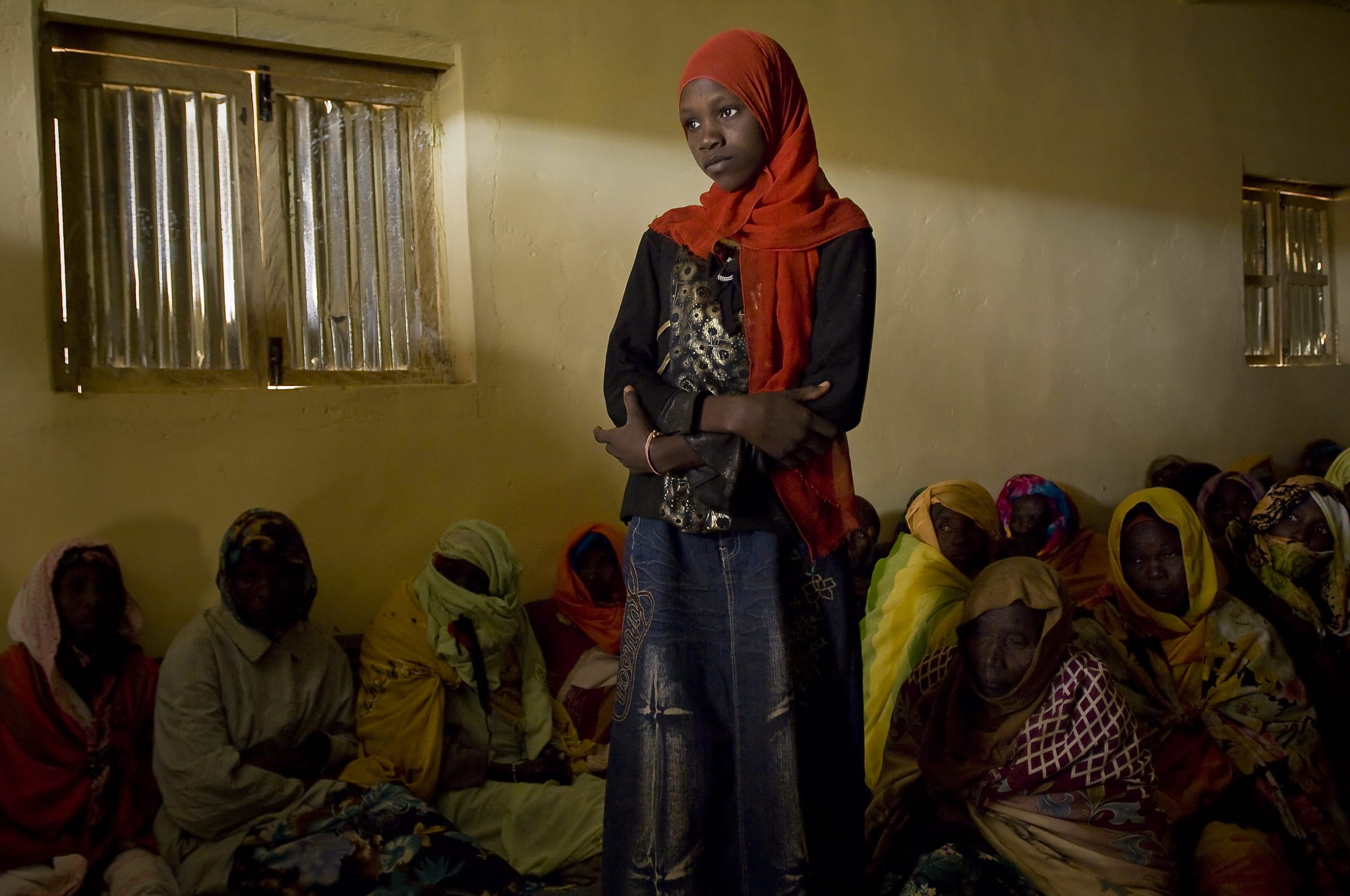
A refugee woman in a bright red hijab stands in a dark room with other women seated on the floor behind her.
Darfurians refugees in Eastern Chad. Source: European Commission DG ECHO, Creative Commons.

Once you have pictured yourself as a refugee, enduring terrible circumstances for the well-being of yourself and your family, then imagine the additional barriers of being a refugee woman with a disability. These compounding factors make your life is then filled even more with fear and uncertainty. As a woman, you are already at a disadvantage; women globally face extraordinary obstacles to their success and wellbeing. You now face further discrimination in the workplace, in education, and in society because of your gender. Now add the complex challenges of being a person with a disability. You are now a member of “one of the most socially excluded groups in any displaced or conflict-affected community.” Your risk for being sexually assaulted or abused now increases substantially. If you have a physical disability, any specialized medical care or transportation is most likely out of the question. Families tend to hide and isolate their family members with disabilities, so you likely will never receive the resources you desperately need. You face insurmountable barriers born of circumstances out of your control: gender, ability, and displacement due to conflict. Though you have done nothing to deserve this fate, this is your reality – just as it is for roughly thirteen million displaced people with disabilities in the world today.

Refugees worldwide face institutional violence in their host countries through mass detention, illegal deportation, and police abuse. Nonviolent discrimination against refugees is just as impactful and much more insidious. There are countless barriers to refugee’s human rights such as the refusal of host countries to allow refugees to practice their religion freely, denial of identity documents that allow refugees to travel or return home, and psychologically damaging hateful rhetoric in many countries. Overcoming these barriers along with the ones that accompany disability and womanhood can seem an impossible task. This is what we call multiple discrimination, where your identity is marginalized on multiple levels. This combination creates a perfect storm that has resulted in the devastation for many women with disabilities. The compounding factors of womanhood and disability create a crisis for refugees who fall in these two categories.

Teenage Syrian girls take part in a discussion about children’s rights, at a community centre in Lebanon. Source: DFID – UK Department for International Development, Creative Commons.

This issue raises questions — what is a refugee, and what does disability look like? The UNHCR defines a refugee as “any person forced to flee from their country by violence or persecution.” Similarly, an IDP (internally displaced person) has been forced to flee their home from violence or persecution, but never crosses into another country. Unlike refugees, international law does not protect IDPs though they suffer from many of the same issues as those with refugee status. The number of forcibly displaced people, which includes both IDPs and refugees, hit a staggering 65.3 million last year according to the UNHCR.  

The CRPD defines “persons with disabilities” as individuals who have “long-term physical, mental, intellectual or sensory impairments which, in interaction with various barriers, may hinder their full and effective participation in society on an equal basis with others.” A report on refugee camps in Kenya, Nepal, and Uganda by the Women’s Refugee Commission showed that over half of refugees with disabilities studied fell in the category of physical, visual, or mild mental impairment. Around 20% had hearing impairments, and about 17% had mild intellectual impairments. Women who identified as having a disability were most concerned with inadequate medical care, and secondly concerned with the lack of empowerment and inclusion. Interviewees relayed a lack of physical accessibility in refugee camps, and women from adolescent to senior reported high risks of sexual violence and abuse. This does not take into account the number of invisible disabilities (disabilities that are not obvious or apparent to others) or the number of persons who are isolated from the public by their families, as all the people interviewed self-identified as having a disability.

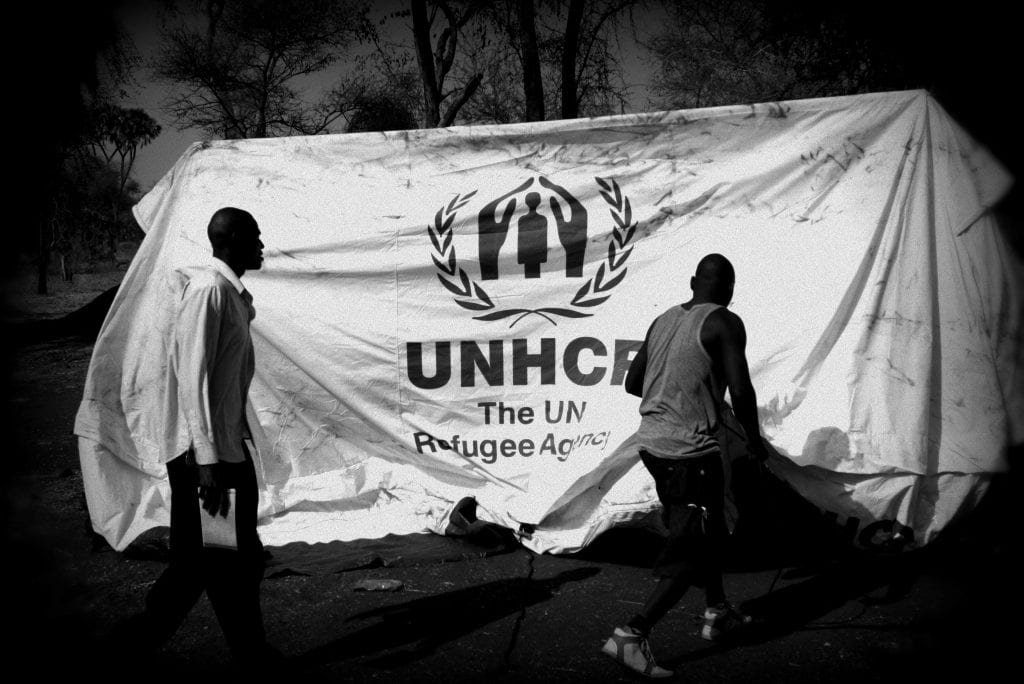
UNHCR Tent. Source: Bureau of Population, Refugees, and Migration. Creative Commons.

A 2008 report by the Women’s Refugee Commission found another disturbing trend: persons with disabilities are rarely counted in refugee registration or data collection, and thus never receive specialized resources to aid with disability management. Little attention and even fewer resources are allocated towards the unique concerns of women with disabilities. Bathing facilities, education centers, and distribution sites all commonly had accessibility issues, which makes practicing good personal hygiene, obtaining proper education, and accessing equal resources impossible. This is an obstacle for both men and women with disabilities, but lack of personal hygiene can be detrimental for those who menstruate. Reproductive health for women with disabilities is a major issue—there is a severe shortage of knowledge and inclusion for many refugee women with disabilities. Additionally, the lack of accessible hygiene facilities and lack of adequate healthcare in refugee camps directly violates the standard set by Article 28 of the CRPD that recognizes the “right of persons with disabilities to an adequate standard of living for themselves and their families,” as well as the right for equal healthcare opportunities outlined in Article 25.

Limited physical accessibility in camps results in many refugees with disabilities forced to stay in their homes. This isolation only increases the risk of sexual assault and abuse that is already prevalent in the disabled population, and creates a dangerous situation for women and girls with disabilities who are trapped in their homes and do not have the means to defend themselves or to report their attackers. This situation occurs because displaced people with disabilities are “less able to protect themselves from harm, more dependent on others for survival, less powerful, and less visible” (Women’s Refugee Commission).  Further barriers block people with disabilities when attempting to report gender-based violence. Inadequate transportation, lack of accessible communication methods, and discrimination all contribute to the underreporting of gender-based violence against people with disabilities.

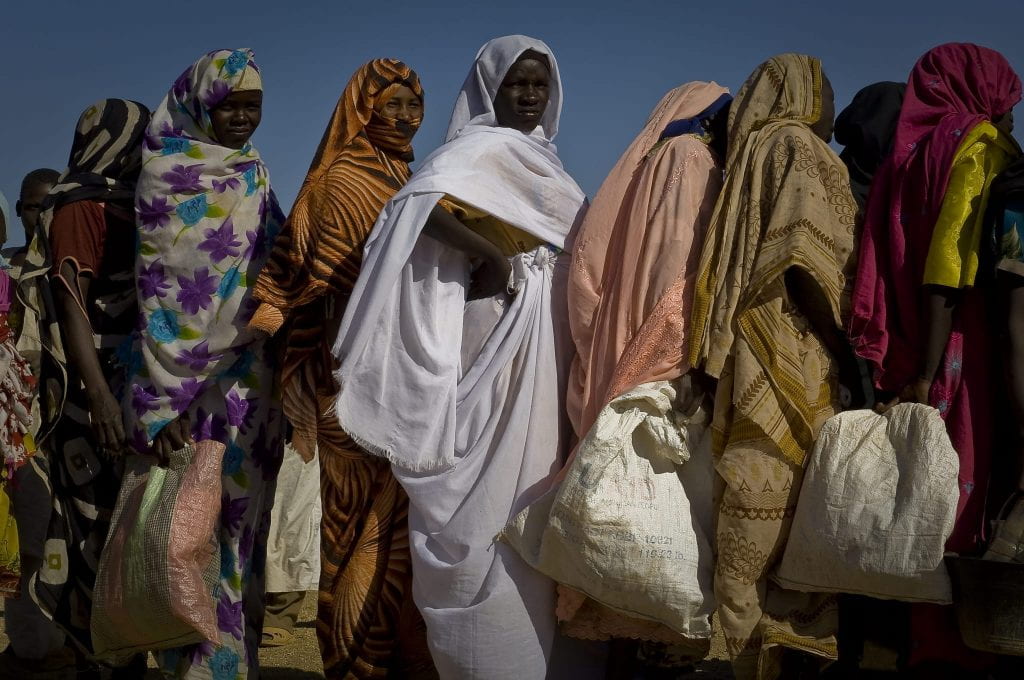
A group of refugee women stand in a line.
Darfurians refugees in Eastern Chad. Source: European Commission DG ECHO, Creative Commons.

It is essential to improve the means of data collection so that people with disabilities are represented when resources are being allocated. This is a crucial step before accessibility in refugee camps can improve. Some attention has been paid to the topic and there is a general trend towards improving humanitarian aid for people with disabilities. The Women’s Refugee Commission is committed to increasing disability inclusion in aid efforts around the world, and publishes reports on their findings. Disability programs based on the topic of gender-based violence have been widely successful, and program participants have responded with overwhelming positivity. “Stories of Change” is one program by the WRC and the International Rescue Committee that shares the stories of women with disabilities and their caregivers. Sifa, a sixteen year old girl with physical disabilities in Kinama Camp, Burundi, shares her experience:

“Over the past year, I have most enjoyed going to awareness sessions. It is important to me that the community sees me as not just a girl without a leg, but as a person with rights and a future. I also really appreciate the materials from IRC, especially sanitary napkins and supplies, because often people forget that girls our age need them. With my new leg and my chance to have an education, I feel safer, smarter and less likely to be taken advantage of.”

Though promising, much work remains in the field of humanitarian aid for women with disabilities. While transparency and accessibility have improved, we should not become satisfied with any standard of living that is less than ideal. Women with disabilities have the right to the same freedoms as more privileged refugees, and refugees have the same rights as every human on Earth. Water, food, hygiene, shelter, freedom from violence, work– all of these items are absolutely and unequivocally vital as a human right as enshrined in the UNDHR. For too long we have settled for inadequacy for people with disabilities because society demonizes and rejects them as human beings. As we have raised the standard of human rights, we must continue to emphasize the most vulnerable people who suffer from compound discrimination. To champion the rights of women must include all women. This unequivocally includes the rights of displaced persons along with the rights of people with disabilities; gender directly impacts both one’s experience with ability and displacement. We can and must strive to do better in our fight for the rights of one of the most marginalized populations around the world.


We, too, are America

a picture of a microscope
microscope. Source: milosz1, Creative Commons.

We see you. More specifically, I see you. I see you and I understand your fear. Your fear, though, is not of our ascent and overthrow of your supremacy. Your fear is that we–those for whom you believe yourself superior in gender, race, ability, intelligence and religion, but equal to under the law—will treat you as you have treated us. This is your actual fear.

For so long, you have hidden behind your power to give and take at will and random, without accountability. You believed might and standing would continually protect you as you abused, assaulted, and harassed us behind closed doors, in elevators, at parties, or in cars. You assumed your strength would guard against numbers because silence remained your closest companion until it revealed you. Now, silence is your betrayer and light is shining into the darkness. With light comes freedom.

However, not for you.

Finally, thanks to the unfaithfulness of silence, the light that comes with freedom will change you, as the nullifications of uneasy interactions, creepy glances, and videotaped confessions that “boys being boys” and “locker room talk” conclude what we have known all along: you are an insecure predator.

You always have been.

For centuries, you employed power to mask your insecurity while building empires and corporations upon the backs of those “under your feet and purview”. You made rules and assured yourself they did not apply to you. The rules are changing, and you are afraid. You shudder at the possibility of the enforcement of an unjust law you created, applying to you. You are fearful that you will rot in jail for a crime you may or may not have committed, based upon the verdict of 12 who are not truly your peers because they do not look like, live like, or know what it like to be someone like you. You will know what it is like to tell your side of the story and find yourself defending your participation in and motives about the situation that caused you to end up here. Identified as you truly as a perpetuator of trepidation .

You always have been.

Your taxonomy and modus operandi, whether on the forced labor field of terror, in a Las Vegas hotel room or Charleston church, or behind a “news” desk or podium, remains hiding in plain sight because the condition of many is blind submission. The conditioning served us well too, for a while. However, now we are woke. Eyes wide open and aware of the insidiousness of your nature. This scares you, so you label us a threat because we discarded the previously employed labels you doled out. Threat, in your mind, encompasses all manner of challenges you have not experienced during your time in authority. We are a threat to your domination, to your supremacy and privilege. This is what frightens you. The poisonous fruit you provided opened our eyes to the facts about who you are and what we have known all along: you are an idol worshipper.

You have believed the lies told to you and by you for so long, that in many ways, the facts cannot penetrate the walls around your heart and mind. You contrive revisionist history as a method to mask the brutal reality of your ancestors, unwilling to yield to handwritten letters, photographic and videotaped evidence that counter your claims, and absurdly ask us to disbelieve what we see what our eyes, hear with our ears, and experience over time. The words you employ are not for freedom of expression but an expression of your hate, leaving us to wonder if you know how to express yourself in a manner to prove your point without resorting to vileness. You are not out to institute unification, rather everything about you proceeds from an inner core of division. You are in an identity crisis.

You always have been.

Conflicted on one hand about the creation of humanity as made in the image of an unseen God, while on the other, using some as cattle and unpaid laborers, burdened by cherry-picked scriptures applied to build a theology of exclusion. You claim to seek the facts through the reading of words written in years past but systematically avoid anything that may shatter the illusion of grandeur created in the ivory towers which redlining amassed. You proclaim belief in gender equality, except when it comes to leadership, reproduction, sexual experience, and wages. You defend colonization and imperialism due to a misapplied belief that those demonized and dehumanized are ignorant and incapable of civilization; however, pyramids, irrigation systems, and social order existed before the feet of your ancestors stepped on this, and that land. You balk at peaceful solutions and challenges to your authority by responding with insults and name-calling as though life and death are games played in a schoolyard. Even when you are wrong, you are uncompromised in your steadfastness to show your superiority, while marketing yourself as a humble follower of God. You want to be a mirror without looking in one.

I see you.

We see you.

We know the facts.

The fact is, change has arrived. For we, too, are America.


Additional readings:

Langston Hughes

The Color of Law

America’s Original Sin

Nations and Nationalism

Jessica Valenti

Recap of Using Digital Storytelling to Promote Human Rights: The Experience of Disability Advocates

co-authored Tyler Goodwin and Nicholas Sherwood

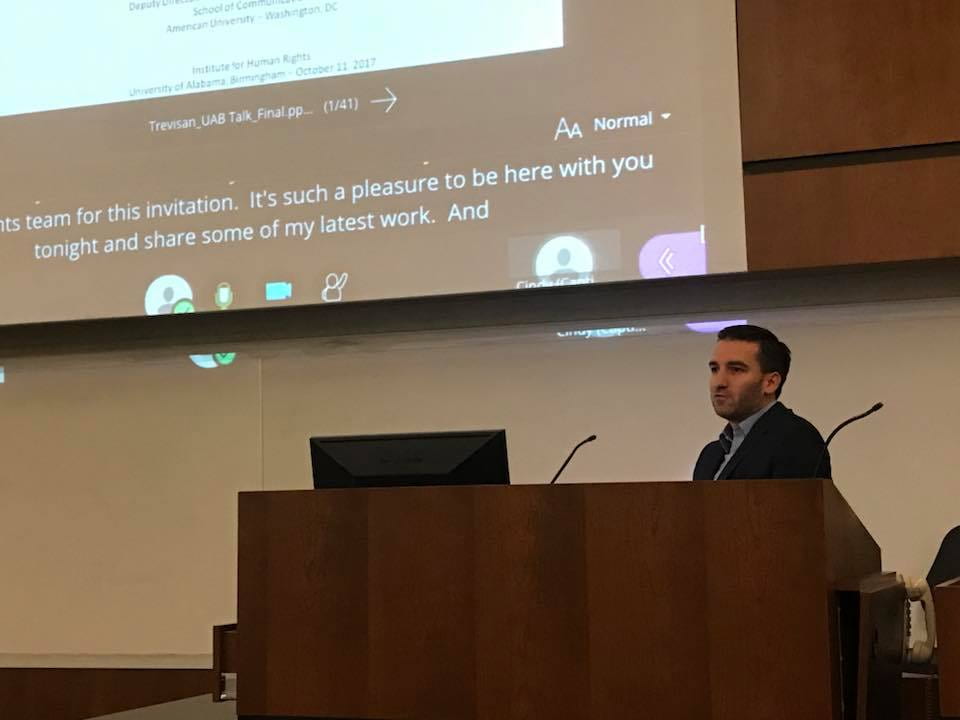
a picture of Dr. Trevisan presenting
Photo by Tyler Goodwin

On Wednesday, October 11, 2017, the UAB Institute for Human Rights sponsored an event titled: “Using Digital Story Telling to Promote Disability Rights.” This event featured Dr. Filippo Trevisan, Assistant Professor of Communications at American University in Washington, D.C. Dr. Trevisan is a disability rights advocate whose research features the use of technology to enhance accessibility for persons with disabilities. He is the Deputy Director of the Institute on Disability and Public Policy at American University, and an accomplished author, who released his book, Disability Rights Advocacy Online, last year. Dr. Trevisan’s presentation attempts to answer the question of how advocacy effectively inspires policy change for marginalized populations- most notably, for the disabled community.

Disability Rights

When the United Nations codified the Convention on the Rights of Persons with Disabilities, disability rights were first established at the international level of governance. This Convention is notable for its inclusion of actual persons with disabilities in the creation of this legal document, and for good reason. Persons with disabilities have long had to self-advocate for their rights, and the potency of grassroots efforts for disability rights distinguish this rights movement from other human rights movements. Dr. Trevisan, through the lens of information and communication technology, aimed to understand how formalized rights were impacted by the grassroots efforts of persons with disabilities.

Dr. Trevisan spoke of how Information and Communication Technologies (ICTs) have significantly impacted the world of disability rights. The United Nations Educational, Scientific and Cultural Organization (UNESCO) says that ICTs have allowed persons with disabilities to “enhance their social, cultural, political and economic integration in communities by enlarging the scope of activities available to them.” ICTs have promoted self-advocacy by allowing persons with disabilities to directly participate in any number of activities by directly getting their voice heard- middlemen are no longer required for persons with disabilities to get their issues out into the world. By surpassing several links in the communication process, the voices and narratives of persons with disabilities are more authentically communicated to policy makers and all levels of governance: local, regional, national, and international.

By skipping these ‘middlemen’, the effectiveness of a message (such as advocacy for disability rights) is more prominent, and the intended effect (policy change) is more directly linked to the advocate. According to Trevisan, two main communication styles are used by disability rights advocates to persuade policy-makers.

Emotional Appeal Versus Rational Arguments

Breaking down the rhetoric used by disability rights advocates, Trevisan elucidated on two primary forms of persuasive messages: messages appealing to emotion and messages appealing to reason. Emotional appeals typically feature personal narratives, eliciting feelings of empathy and sympathy by the receiver of the message. By contrast, rational arguments (i.e. appealing to reason) offer evidence-based arguments in support of policy change. A challenge of human rights advocates (in this case, disability rights advocates) is deciding which, or in what combination, of these persuasive tactics is most likely to achieve the desired outcome.

Historically, policy-makers have favored (or been more susceptible to) appeals to reason, as evidence-based arguments offer a more sound and predictable argument for policy change (or lack thereof). However, upon analyzing cases in the United Kingdom and United States, Trevisan documented a noticeable modal shift in successful argument tactics. Instead of favoring rational appeals, policy-makers are starting to respond and succumb to emotional appeals; this change is most clearly documented in policies related to persons with disabilities. This has huge implications for advocacy efforts and policy-makers alike. Bygone are the days where statistics and figures hold greater weight than personal narratives and stories. Perhaps we do indeed live in a “post-fact world” (though hopefully not). The question now becomes: why are emotional appeals more effective than rational arguments? And how can we marry these two approaches to achieve both: 1) successful persuasion of policy-makers to codify human rights and 2) create the emotional appeal from a sound and practical argument?

a picture of social media icons as flowers indicating the growth of social media
Growing Social Media. Source: mkhmarketing, Creative Commons

The Power of Stories

The answer to the first question lies in the power of story; Trevisan argues the impact of personal story-sharing in disability rights advocacy cannot be overstated. The importance of persons with disabilities telling their personal stories has proven to be very effective when it comes to advocating for their rights, and Dr. Trevisan mentioned two critical components to story telling: 1) the voice of the person telling the story, and 2) the storyteller feeling his or her voice is heard. Dr. Trevisan states his research led him to find “individuals [with disabilities] are now able to participate in crowd-sourced campaigns, and they want to.” He goes on to say persons with disabilities generally feel authentic in their narrative-sharing and the significant strides in disability rights implementation (for example, the CRPD) shows their voices are being hear.

Persons with disabilities have been particularly effective in their use of crowdsourcing- the virtual participation in efforts such as rights-advocacy. While crowd-sourcing has been a great way to get stories out into the world, the particular mixture of rational vs. emotional components is up for debate. How narrow should the stories be? If someone has to edit these stories, who should it be and what gives them the right to do so? Should there be no editing of the stories? If not, what if the stories do not pertain to the cause? Is it right to cut out someone’s story that they want to tell? How can we (consumers of information) be sure we are receiving an authentic and genuine message from a credible source (especially in a “post-fact world”)?

Dr. Trevisan’s cunning research of story-telling in disability-rights advocacy suggests the paradigm of successful policy change is shifting: from rational appeal to emotional connection, from the presentation of hard facts to the telling of personal stories. Moving forward with this new knowledge, human rights researchers and advocates must find a way to marry objective reality with the subjective story of humanity.


For a list of our upcoming events, please visit our events page.

My experience at the CoSP10

by MIRANDA GRAY

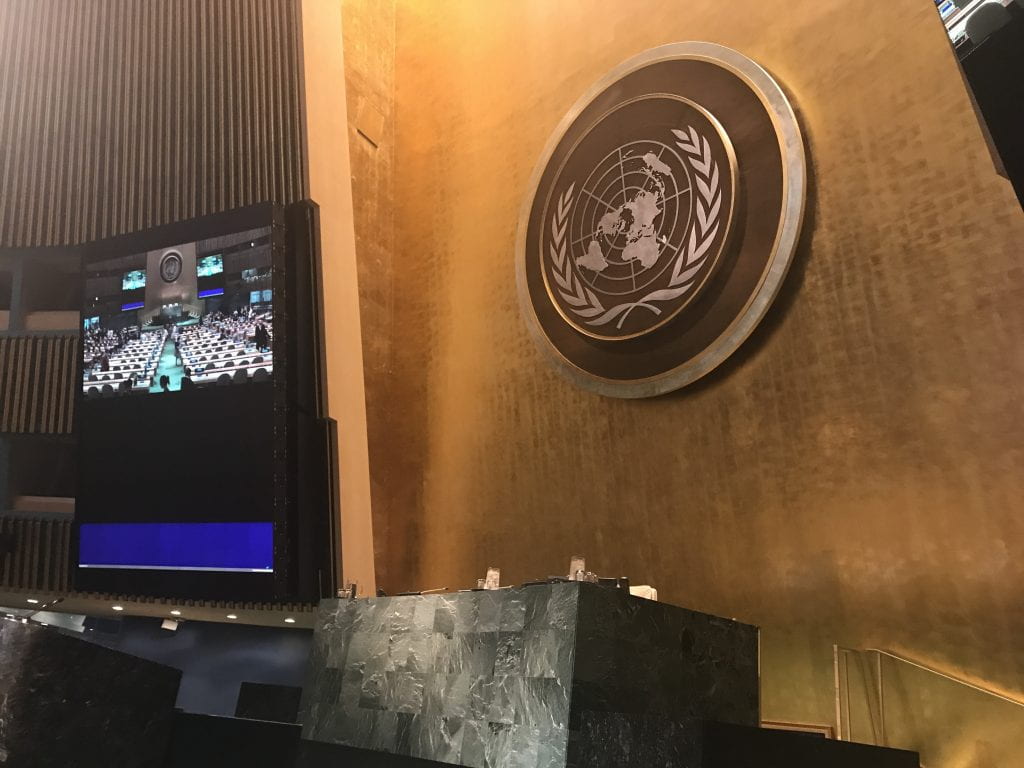
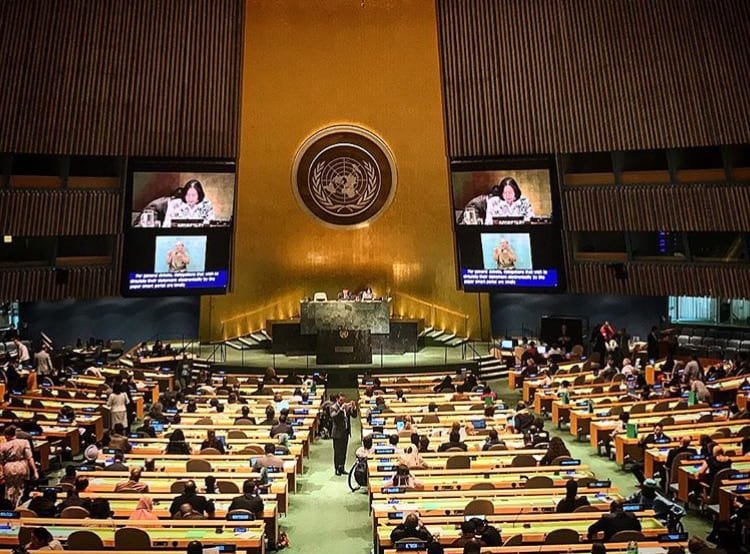
a picture of the inside of the UN General Assembly Hall
Inside of the UN General Assembly Hall. Photo by Tyler Goodwin

As I reported to the United Nations for my first day of actual volunteering, I felt enwrapped by excitement, anticipation and fear. Working at the United Nations had been a goal of mine for years, and after a tour of the UN just a couple of months before, I left telling myself that my long nights of studying and research for my masters in the anthropology of peace and human rights would be worth it. That May morning, when I walked into the UN, with a purpose, not just as a visitor, I felt important and like I was on my way to making it. At the end of the experience, however, I had other career goals in mind.

Personally, one of the most memorable parts of the whole experience came on that first morning, when my coworker and fellow graduate student, Ajanet Rountree, made me march onto the floor of the General Assembly Hall to find the volunteer coordinator, Fred Doulton. The security guard told me when I walked in that I strictly was to stay off the floor, as those spots were reserved for state representatives and UN workers. Ajanet spotted Fred, and her confidence led me to where I needed to be. Stepping onto the plush green floors of the General Assembly was electrifying; I simultaneously felt like somebody, as tour groups walked across the upper floor, and nobody, as I walked past ambassadors and other state representatives. I am particularly thankful for that moment and the ability to witness such an intricate and important session.

During the opening session when states stated their progress since the last conference, I became aware of the many moving pieces and challenges states must grapple with in advocating for the rights of persons with disabilities. Lack of awareness and resources as well as increased social exclusion have all impeded progress in protecting and ensuring rights of persons with disabilities. Many nations implored the other members of the conference for more concrete data on persons with disabilities in order to better tailor advocacy measures to persons with disabilities. However, the second session I took notes on truly opened my eyes to the other pieces of the advocacy puzzle, in addition to states, and tempered my opinion of a United Nations career as the ultimate goal for a human rights worker.

My second volunteer session incorporated statements given by several nongovernmental organizations. These organizations seemed to have specific goals and methods of implementation that might drastically improve lives of persons with disabilities. I realized that a great deal of the accomplishments that states reported on were often directly because of the work of NGOs. I previously thought of work with NGos as stepping stones to the ultimate career with the United Nations. And while working at the United Nations is still a career goal of mine, I have come to realize that meaningful necessary work is not a stepping stone, but rather the ultimate career in and of itself. When I heard NGO workers talk about the most important aspects of rights of persons with disabilities, I left feeling personally challenged to advocate for others in an inclusive manner that promotes full participation and addresses the impact of multiple discriminators on persons with disabilities, specifically women and children. I realized that day that no matter the name on the door, doing good work for people would always be admirable.

Before volunteering at the United Nations’ Conference of State Parties on the Rights of Persons with Disabilities, I do not think rights of persons with disabilities were at the forefront of my mind of imminently pressing human rights issues.  My previous studies have mostly focused on the rights of persons in areas of conflict, and those studies more specifically have been focused on the right to life. But following my experience volunteering at the Conference of State Parties on the Rights of Persons with Disabilities, I left having learned that any study on human rights violations should be inclusive of the particular violations persons with disabilities face. I left feeling a call to action, to advocate for persons with disabilities by listening to persons with disabilities, hearing their opinions, and acting accordingly. As I returned to UAB and Birmingham, I operate with a heightened sense of the lack of accessibility in our city, and I feel equipped with the drive and tools afforded me through my week at the UN to do something about it.


The CRPD: Path to Inclusion

UN General Assembly. Photo by Aseel Hajazin.

It has been almost been two months since the Institute for Human Rights at UAB has gone to the United Nations and the experience is still so surreal. I have always dreamed about one day working for the United Nations; I just did not realize that the opportunity would come so soon. This was also my first time in New York and actually in a lively city, so I was also really looking forward to that experience. Our team was not only going to the UN for a tour but to work. As a rapporteur, I took notes and summarized the comments made by the participating countries during the general debate and concluding conference.

Even though every delegate of their respective country has meaningful contribution to the conference, the countries that stood out the most to me was my home country of Jordan, and my host country, Saudi Arabia. In the Arab World, persons with disabilities are unfortunately sometimes invisible members of society. The conference changed my perspective on the inclusion of Arab people with disabilities in their home countries. I was fortunate enough to interact with many Arabs with disabilities in the conference and listen to their experiences. The statements that stood out to me expressed feelings of relief due to an acknowledgment by their governments; noting a significant improvement of inclusion of persons with disabilities in society, through the implementation of special programs focusing on the education and recreational needs of people with disabilities that were not present 20 years ago.

When I was 12 years old, I visited a school called The Lady of Peace in Amman, Jordan. This school focuses on providing both the educational, recreational and psychological needs of all people with disabilities. I mentioned this to one of the fellow Jordanians participating in the conference, and she knew exactly which school I was talking about! She updated me on the school and let me know they have become very involved in advocating for the rights of people with disabilities by attending conferences throughout Amman. They are not only focusing their attention on providing these services but also promoting disability rights as human rights. She also highlighted that even though the school is a Christian led organization, both Muslims and Christians respectfully come together to help organize fundraisers to continue help the school keep it functioning. The Lady of Peace continues to have a strong sense of unity and community, even after all of these years.

For me, the most impactful moment of the whole conference were the comments made by the delegate of Iraq. They highlighted how global factors need to begin focusing on people affected by disabilities due to war and violence. The delegate mentioned how before violence and war, many of the refugees were not previously disabled. Global assistance and humanitarian efforts need to focus on helping these people adapt to their new situation by providing both technological and psychological assistance and support. Before the conference, the concept of disability due to violence never crossed my mind, and after the delegates remarks I experienced an “ah-ha” moment. The media, when reporting of refugees, focuses on the health and shelter of refugees but not once have I personally heard the media report on the struggles faced by people with disabilities. Initially, I was disappointed in myself for overlooking this population. I now realize that I need to take advantage of my awareness of the reality of disability and war, advocating for awareness to other members of society.

My favorite moment of the whole conference were the comments made by the delegate of Mexico. She was very vibrant and uplifting and reminded members of the conference that we need to change the way we portray people with disabilities. We as a society discuss disability we need to make it fun, exciting and in her words “sexy.” I enjoyed her remarks because she reminded us that we do not have to remain serious all the time when discussing disabilities, and if we want members of our society to care about disability rights, we need to approach the topic in a more engaging and optimist manner.

Overall, this experience was humbling. Throughout the conference, I felt surrounded by love, acceptance, and people who want to make a genuine change in the world. I learned so many different concepts from how the UN operates to what members of our society can implement regarding policy to influence change and real results. I hope one day to have the opportunity to return to the UN and work for them. Thank you to Dr. Reuter for this opportunity, and thank you to my team for making this trip so memorable. I will never forget this opportunity and will definitely cherish it forever.


A 29th Floor Perspective


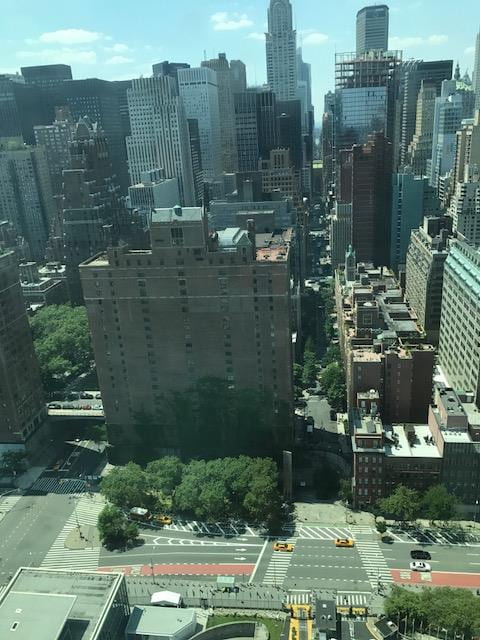
1st Ave from the 29th Floor of the UN
1st Ave from the 29th Floor of the UN. Photo by Ajanet Rountree.

The United Nations (UN) Conference on State Parties (CoSP10) experience began on the 29th floor for me. I say this because I lived in New York City and toured the UN on a couple of occasions. Additionally, living a life that is inclusive of persons with disabilities is in my wheelhouse. A friend and mentor utilizes crutches to help him walk because an accident, when he was younger, took the full use of his legs. Cancer took the use of B’s legs when she was a baby, and a motorcycle accident left my uncle paralyzed from the waist, making them both wheelchair users. I lead with all of this to say that making room in my world for persons with disabilities is something I have done for decades. My familiarity, in a sense, is akin to the knowledge gained by a couple of tours of the UN lobby and gift shop. Therefore, walking into CoSP10, I was prepared or so I thought.

I had never been on the 29th floor. The perspective is much different up there.

The Division of Economic and Social Affairs (DESA) is located on the 29th floor of the UN. The DESA team is responsible for both the economic and social affairs of persons with disabilities for all the UN member states as directly related to the Convention on the Rights of Persons with Disabilities (CRPD). They write and disseminate policies and ideas to the member states as suggested modes of implementation. Each policy and suggestion lies within the UN mandated Sustainable Development Goals (SDG) which is an extension of the 1945 UN Charter. SDGs are the 17 goals all member states, through collaboration, seek to achieve by 2020 as a means of ensuring “no one is left behind” while honoring the Universal Declaration of Human Rights (UDHR) and CRPD. Sitting in the conference room, I am inspired by the opportunity but not fully awake to what is about to take place.

Enter Daniela Bas.

Bas is the DESA director. During her chat with us, she disclosed a couple of points that stand out to me. First, the UN, as an employing entity, is beginning to put into action many of the policies and measures, tasked to member states for implementation. Most specifically, employing persons with disabilities in key leadership positions of which she is one. Second, the UN is an organization led by human beings seeking to do the right thing. With full acknowledgment, she reminds that the UN is not perfect but that the process of coalescing 196 backgrounds, traditions, religious affiliations, and attitudes to make significant strides at securing human rights and making the world more peaceful, is an accomplishment. Lastly, when compared to men and boys, and those who are able-bodied, discrimination against women and girls with disabilities doubles, and even triples if they belong to a minority race or class in their country. This last point, triple discrimination for women and girls with disabilities will become a recurring theme in the conference for me. The harsh reality of this fact remains an echo in my soul to this moment.

Confrontation with another person’s truth requires an adjustment to what is known through experience and education, and assumed through familiarity.

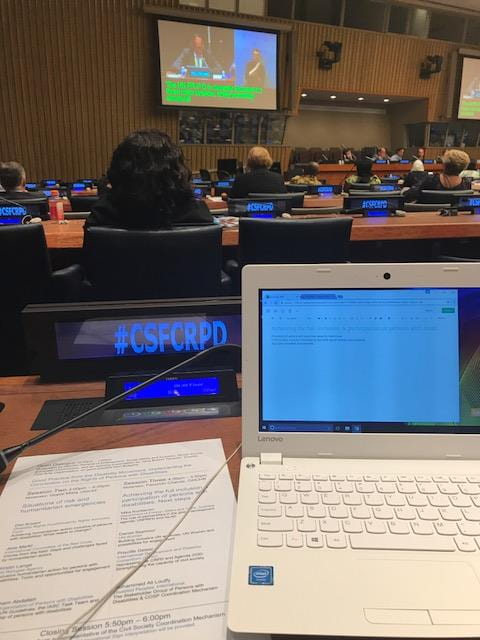
On the floor. Photo by Ajanet Rountree

I study and view life and the world with a gendered perspective in mind. I look for the role of women, our impact on families and societies, and our visibility and invisibility when it comes to equality. I am aware of the trials of living life at intersections. Intersectionality complicates because discrimination is complicated. I believe there is a temptation to separate the intersections so to obtain a solid understanding; however, it is in the attempt to separate that understanding is lost. Gaining a complete understanding of the dynamics of discrimination requires a holistic not segmented perspective.

Girls, irrespective of ability, are not as valuable or visible in many societies as boys are. Nora Fyles, head of the UN Girls Education Initiative (UNGEI) Secretariat, asserts invisibility is the fundamental barrier to education for girls with disabilities. She confirms this assertion when explaining the search for partnership on the gendered perspective education project by stating that 1/350 companies had a focus on girls with disabilities. For Bas, the failure to identify girls and women with disabilities is a failure to acknowledge their existence. Subsequently, if they do not exist, how can we expect them to hear their need? She suggests addressing crosscutting barriers. Leonard Cheshire Disability (LCD), in partnership with the World Bank, UNICEF, and UNGEI, hosted a side-event where they released their findings regarding a lack of inclusive education opportunities for girls with disabilities. Still Left Behind: Pathways to Inclusive Education for Girls with Disabilities sheds light on the present barriers girls, specifically those with disabilities, experience when seeking an education.

Article 26 of the UDHR lists education as a human right. Bas believes if knowledge is power, and power comes from education, the fact that 50% of women with a disability complete primary school and 20% obtain employment, reflects social and economic inequality. Ola Abu Al-Ghaib of LCD emphasizes policies, cultural norms, and attitudes about persons with disabilities perpetuate crosscutting barriers for girls with disabilities to receive an education. She concludes that schools are a mirror of society. In the absence of gendered sensitivity, boys advance and girls do not. Every failed attempt to address and correct the issue is a disservice to girls generally, and girls with disabilities, specifically.

It is imperative to remember that the spectrum of disability is multifaceted. Most people recognize developmental and physical disabilities like Downs Syndrome, Autism, visual and hearing impairment, and wheelchair users, but fail to consider albinism and cognitive disabilities as part of the mainstream disability narrative. Bulgaria is focusing on implementing Article 12 of CRPD regarding legal capacity. Legal consultant and lawyer, Marieta Dimitrova explains that under Bulgarian law, only reasonable persons have the right to independence; therefore, persons with cognitive disabilities receive the “unable” descriptor under assumption they are unable to reason and understand, thereby placing them under a guardian. Guardianship removes the right to participate in decisions regarding quality of life, which is a deprivation of liberty. She resolves that although full implementation into law awaits, stakeholders are seeking renewal in the new government because pilot projects have proven that an enjoyment of legal capacity in practice yields lower risk of abuse, changed attitude within communities, personal autonomy and flexibility.

Not all disabilities result from birth or accidents. War and armed conflict factor into 20% of individuals maimed while living in and fleeing from violence. A lack of medical access leave 90% of maimed individuals permanently disabled. Stephane from the International Committee of the Red Cross (ICRC) submits that for refugees with disabilities, access to essential services can be difficult on the journey and in camps, but also for those who are unable to flee. He infers a “double disability” inflicted upon refugees with disabilities: first as a refugee, and second as a person with a disability. Human Rights Watch advocates that refugee camps produce a humiliating and degrading existence for persons with physical disabilities because the “tricks” employed prior to arrival in the camps, are no longer applicable as wheelchairs sink in the mud and crutches break on rocky grounds. The Lebanese Association for Self-Advocacy (LASA) reports the underrepresentation of women and girls is significant when receiving information and access to assistance.

In a refugee simulation seminar, LASA informed that on the ground, confusion is high given that humanitarian organizations do not consult with each other, making communication difficult and non-supportive. For families with a person with a disability, nonexistence communication means a prevalence to fall victim to violence and harassment. Jakob Lund of UN Women divulges that humanitarian aid can be ineffective for women with disabilities, while Sharon with OHCHR suggests a clear dichotomy between the rights of the able-bodied and the rights of persons with disabilities holds central to the ineffectiveness. At the core of a lack of communication and accessibility is invisibility. Stephane concludes that there is an obvious need for a necessary and systematic retraining specific to educating others on how to see the invisible.

a picture of Chinatown, NYC and Brooklyn Bridge
Chinatown, NYC, and Brooklyn Bridge. Source: Madhu Nair, Creative Commons

The process of inclusion and equality relates directly to the decision to acknowledge a person’s existence. Retraining the mind to see any human being with a physical disability takes decisive action so I put myself to the test. First, I thought of all the famous women with a physical disability I could think of, and arrived at about six, including Heather Whitestone and Bethany Hamilton. I then googled celebrity women with disabilities which yielded a Huffington Post piece that identified Marlee Matlin, Frida Kahlo, Helen Keller, and Sudha Chandran as 4/10 “majorly successful people with disabilities”. I had Marlee Matlin and Helen Keller. What is more interesting is that I arrived at seven when naming men with physical disabilities. Here is the point: society is not inclusive of persons with disabilities if we have to strain our brains to remember the last time we sat next to, opened the door for, ate a meal with, or saw on the television/movie screen/church platform a person who did not look like us physically.

Perspective changes everything because perspective is everything.