Prison Break Becomes Reality: The Escape of Six Palestinian Prisoners

On September 6th, 2021, six Palestinian prisoners escaped from what is known as Israel’s most secure and guarded prison, Gilboa Prison. An escape conducted only with a spoon has been heralded as a heroic victory for the Palestinian people and a major security breach to the Israeli government. The conflict between Israel and Palestine is nothing new. In fact, it’s known by many as a “100-year-old issue.” Since 1948, there have been continuous arguments and battles about land control, but it has now come to be much more. Today, Israel occupies most of the West Bank and has built settlements that are illegal under international law. Aside from speaking about which country controls what land, it is vital to recognize and understand the countless human rights violations happening—most of which were committed by Israel.
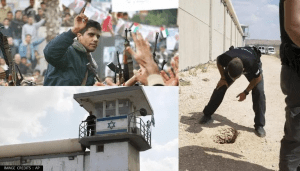
Zakaria Zubeidi pictured along side the hole which was used to escape and Israeli watch guards.
Yahoo Images

Israeli Prisons

Since 1967 over one million Palestinian people and supports have been arrested in Israel by the IDF. In June 2021 alone, a total of 4650 political prisoners were detained. 200 which were children, 40 women, and 544 serving life sentences. In 2020, there were 700 sick patients arrested and not receiving the proper care. It’s been noted that the Israeli police have targeted Palestinians with discriminatory arrests, torture, and unlawful force. The main targets of arrest are typically Palestinian activists, like the six prisoners who escaped. 

In Israeli prisons, Palestinian prisoners live in “appalling conditions that are subjected to harsh treatment.” The United Nations has noted that techniques used by the Israeli General Security Service during prison interrogations constitute torture. Once arrested, prisoners and detainees begin to endure physical abuse and humiliation—all violations of international humanitarian and human rights law. When interrogated, they become exposed to “physical torture and psychological intimidation.” They are beaten, put into solitary confinement, inspected, deprived of medical and sanitary resources, and many more things. The report confirmed these conditions and the treatment of Palestinian prisoners in Israeli prisons through multiple letters sent to the UN and posted. 

In addition to the illegal conditions of arrests and detention, Palestinian children have become increasingly targeted by Israeli detention. These children have been abducted and denied their fundamental human rights, sentenced, and convicted throughout the night. About 95% of the Palestinian children released from Israeli jails suffer from torture and ill-treatment during their time spent and throughout the interrogation process. Sick detainees have also been a massive problem within these prisons. More than 1,500 Palestinian prisoners—including those with disabilities—suffer from different physical and mental illnesses due to the poor conditions and no access to medical attention. Prisoners with cancer are denied any type of access to medical attention unless it is an emergency. Meaning chemotherapy is not an option. Routine doctor’s visits, medicine, anything a typical cancer prisoner should be provided, is not allowed. The condition of these prisons continues to worsen and violate human rights. 

The Re-Capturing of the Six Prisoners

The news of six prisoners escaping comes as a surprise to everyone. Not one person, Israeli or Palestinian, would have imagined that not one but six people could ever escape again. Once the world knew six people had escaped, the Israeli government began a search to find all six of them. The escape set off an uproar within the Israeli government as it was the biggest jailbreak seen in more than twenty years. Since the escape, Israeli prisoners have doubled down on their security, causing many Palestinian prisoners to protest and go on hunger strikes. With the current prison situation, it’s not imaginable what constitutes stronger security conditions. This is known as “collective punishment”, which is deemed illegal under humanitarian law. Posts around social media show the different forms of protests the prisoners have been doing. In addition, the manhunt included harassment of family members and violent raids across the occupied West Bank and East Jerusalem. The recapturing of the prisoners resulted in protests in the occupied West Bank and around the world. Thousands gathered to protest the rearrest and the reasons for the original arrests. Protesters in Palestine went out “in solidarity without prisoners in the occupier’s jails… it’s the least we can do for our heroic prisoners,” said Jihad Abu Adi. 
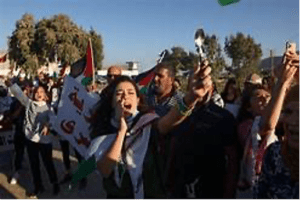
Palestinians Gathering to Protest the Rearrest of the six Palestinian Prisoners.
Yahoo Images

Since being captured, the escapees have all been tortured and beaten by the Israeli occupation forces. The worst being towards Zakaria Zubaidi. After he was rearrested, he was tortured so badly; he had to be sent to the ICU to receive urgent medical treatment. He was taken to Rambam Medical Center, located in Haifa, for treatment. It has been suspected that Zubeidi was tortured with electricity. His brother released a statement saying, “my brother is being subjected to the harshest form of torture.” Along with the electric form of punishment, it is noted that Zubeida’s leg was broken, and the Israeli prison forces did not allow him to sleep. Israeli security forces also did not allow lawyer visits for any of the recaptured. Palestinian human rights groups have asked the International Red Cross to get involved and facilitate interactions between their legal counsel and their families. 

What’s Next? 

Many Palestinians continue to live in fear of what is to come after the prison break. In the midst of fear, victory is sensed. Many journalists, Palestinians, and supporters have called this a momentous victory that showcases the strength and resilience of countless Palestinians. 
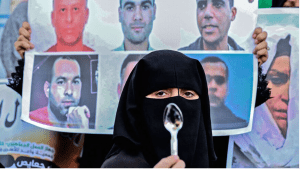
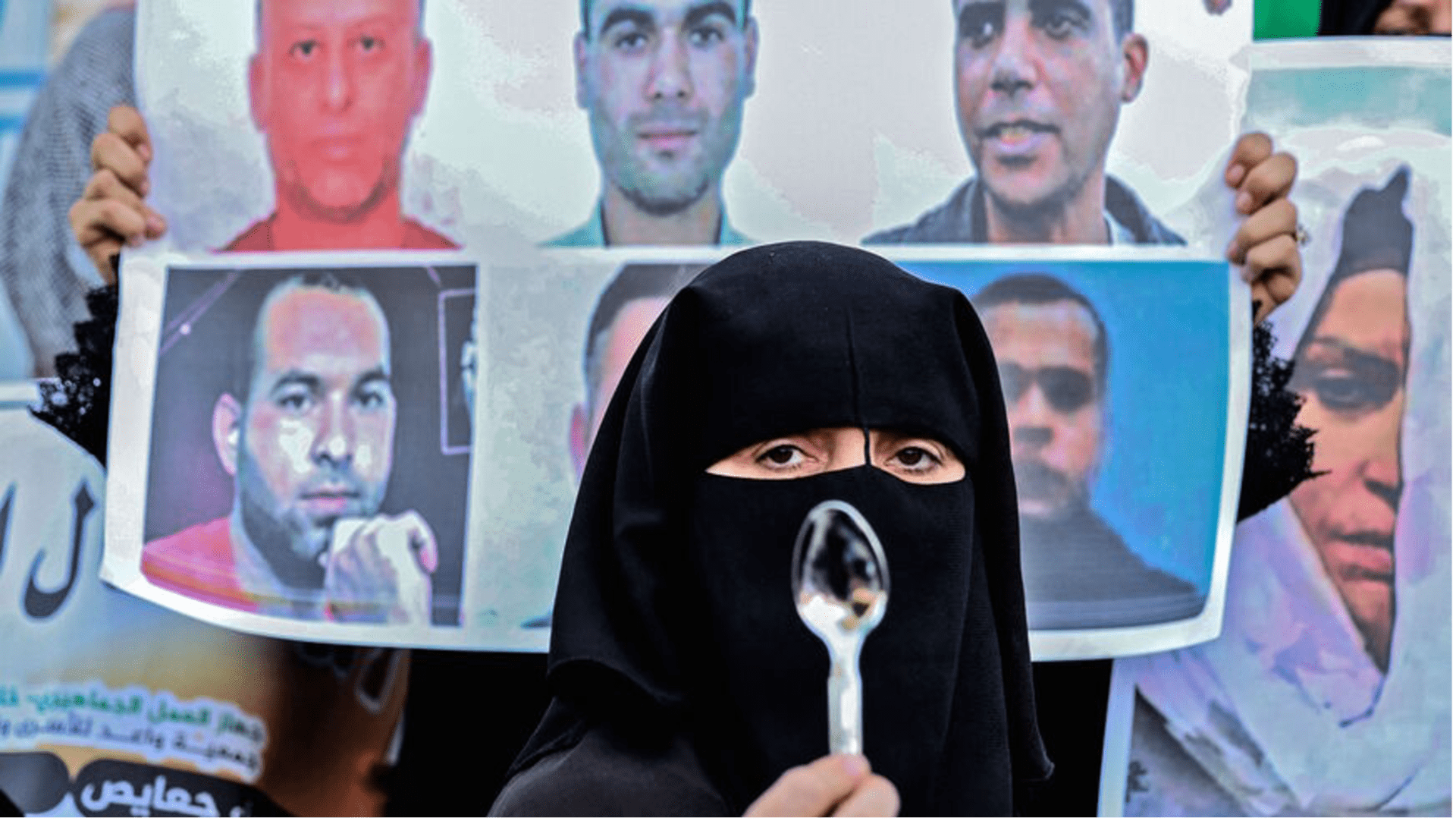
The six prisoners who escaped pictured on a poster with a woman standing with a spoon in support.
Yahoo Images

The most important thing one can do is learn the history, educate themselves, and read. Many individuals are being treated in an unfair manner which is deemed illegal under International Law. 

Check out these links, social media accounts, and books to learn more. @eye.on.palestine, an account on Instagram, posts daily updates on the occupation forces attacking Palestinians. Additionally, their accounts share pictures and post stories of what it’s like to live in an Israeli prison, access to medical care, and the food strikes conducted in protest. 

Books: 

My Promised Land: The Triumph and Tragedy of Israel, Ari Shavit 

In Search of Fatima: A Palestinian Story, Ghada Karmi

Arabs and Israelis: Conflict and Peacemaking in the Middle East, Abdel Monem Said Aly, Shai Feldman, Khalil Shikaki
The Future of Abortion Laws in the United States

The Texas Abortion Law, signed into law on May 19th, 2021, went into effect earlier this September, effectively banning abortions after the detection of fetal heartbeat. This law makes no exceptions even for victims of rape or incest. 

Previous abortion bills introduced the state government and authorities to enforce abortion laws, but unlike anything seen before, Texas’s law awards the power to the citizens. Any private citizen in the country now has every right to sue anyone they suspect has had an abortion, took part in helping with an abortion, or in any way assisted an individual seeking an abortion in Texas. If the suit succeeds, the citizen will receive monetary compensation of at least $10,000. The intricacies of this law make it difficult to legally interpret since technically, abortion has not been criminalized.

History of the Heartbeat Bill 

In 1973, the landmark Supreme Court case Roe vs. Wade federally legalized abortion in the first two trimesters of pregnancy but allowed states to ban abortion in the 3rd trimester. Since then, several state legislatures have passed so-called “heartbeat bills,” which criminalize abortions after fetal cardiac activity has been detected—usually at 6 weeks. However, this is only a flutter of electricity, and the heart forms only after 17-18 weeks. Most individuals do not even know that they are pregnant at this point, because birth control, other forms of contraception, or not tracking menstrual cycles can mask pregnancies until the 8th week. 

Up until now, the Supreme Court has adamantly upheld Roe vs Wade, and every state abortion ban signed into law has been struck down in federal courts. In a historic decision, the United States Supreme Court ruled to let Texas temporarily implement its Abortion Law Although the decision was made in consideration of the difficulty interpreting the law by the Constitution, the hesitancy has been raising alarms all over the country. 

During the Former President’s term, 2 conservative justices replaced the deceased Supreme Court Justices Ruth Bader Ginsburg and Antonin Scalia—tipping the balance of opinion from liberal to conservativeThe new Supreme Court, with the power to influence landmark judicial decisions and history for the next century has many human rights and women’s rights activists seeing it as a threat to the well-being of the country. Reversing all or part of Roe vs. Wade will start an ethical slippery slope that some fear could lead to restrictions on contraception and women’s health services. 

Historic Supreme Court building in Washington, D.C. pictured
Source: Unsplash; The Supreme Court Justices hear cases and make their decisions here at the Supreme Court in Washington, D.C.

Abortion as a Human Right 

The United Nations affirms that access to safe and legal abortions is a fundamental human right. It is not only crucial to ending discrimination against women but also to protect women’s health. The United Nations Human Rights Committee (UNHR) states that restriction abortion bans violate basic “right[s] to health, privacy, and in certain cases, the right to be free from cruel, inhumane and degrading treatment.” 

Despite the common misconception that abortion restrictions reduce abortions, they only increase unsafe abortions. Women and young girls use dangerous methods such as toxic chemicals, bodily harm, and relying on unlicensed abortion providers in their desperation to terminate a pregnancy. In fact, in the United States, the American College of Obstetricians and Gynecologists (ACOG) found that over 1.2 million women had unsafe abortions which resulted in nearly 5000 deaths, not including tens of thousands more left with long-term injuries and complications.  

Depicts Abortion Rights protesters
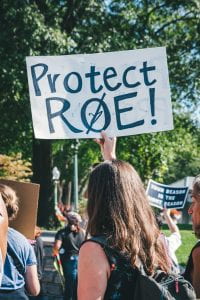
Source Unsplash: Protestor holding up a placard stating “Protect Roe” in an October 2021 protest against Anti- Abortion Laws.

Women in Texas Now

The state has clearly indicated that the law is “not against women” but against abortion providers who are breaking the law. 

Already, women in Texas are traveling out to liberal states such as California or New York to get their abortions. The influx of cases has overburdened providers in other states, but even still, those who make it out of state to receive an abortion at least have the option. The majority of women, however, do not have the means or funds to obtain an abortion in another state, so they turn to abortion pills to self-induce abortions. This method has its own problems. The pills can get stuck in customs anywhere from 2 to 30 days which adds to the anxiety of pregnant individuals, because the pills must be taken before 10 weeks of gestation to avoid life-threatening complications such as massive hemorrhaging.  

Political Reaction 

The Texas Abortion Ban symbolizes the modern bodily autonomy movement on a precipice. Based on the Supreme Court’s current balance, it is possible that Roe vs. Wade could be struck down within the next two years. One thing must be made clear though: overturning Roe vs. Wade means that abortion will only become illegal within states that have chosen to do so—not across the country.  

However, another aspect to consider about the abortion rights debate is voice. Women and minorities are more empowered than four decades earlier and have the platform to fight for their beliefs. In fact, 77% of people want the Supreme Court to uphold Roe vs. Wade. If Roe vs. Wade is overturned, an unprecedented amount of public outcry will occur in every state to fight, once again, for the right to bodily autonomy that women have fought for decades. 

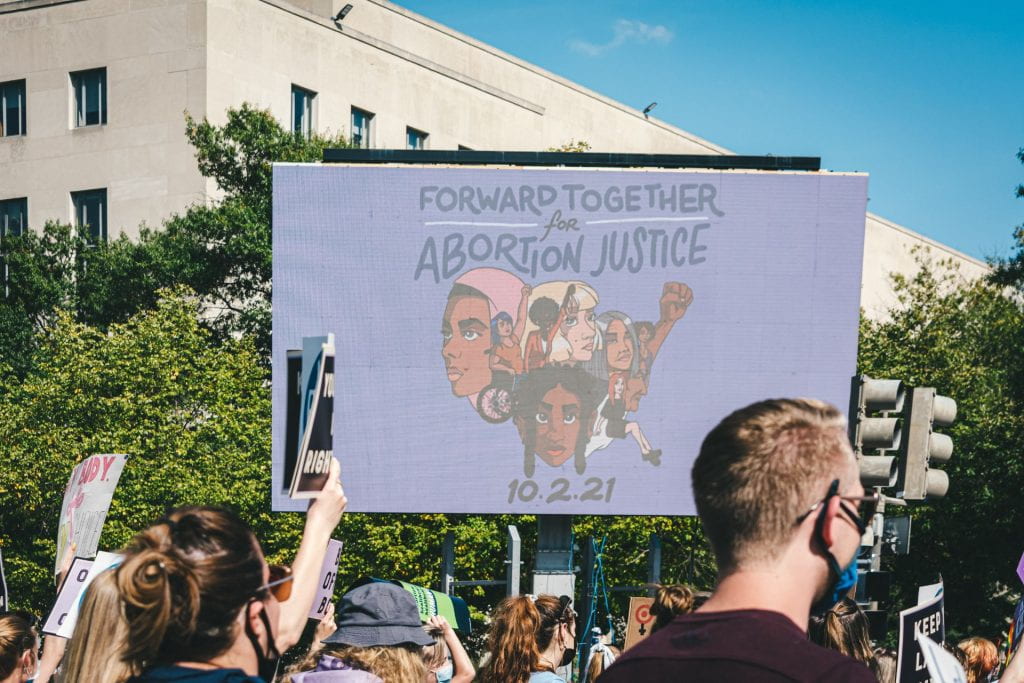
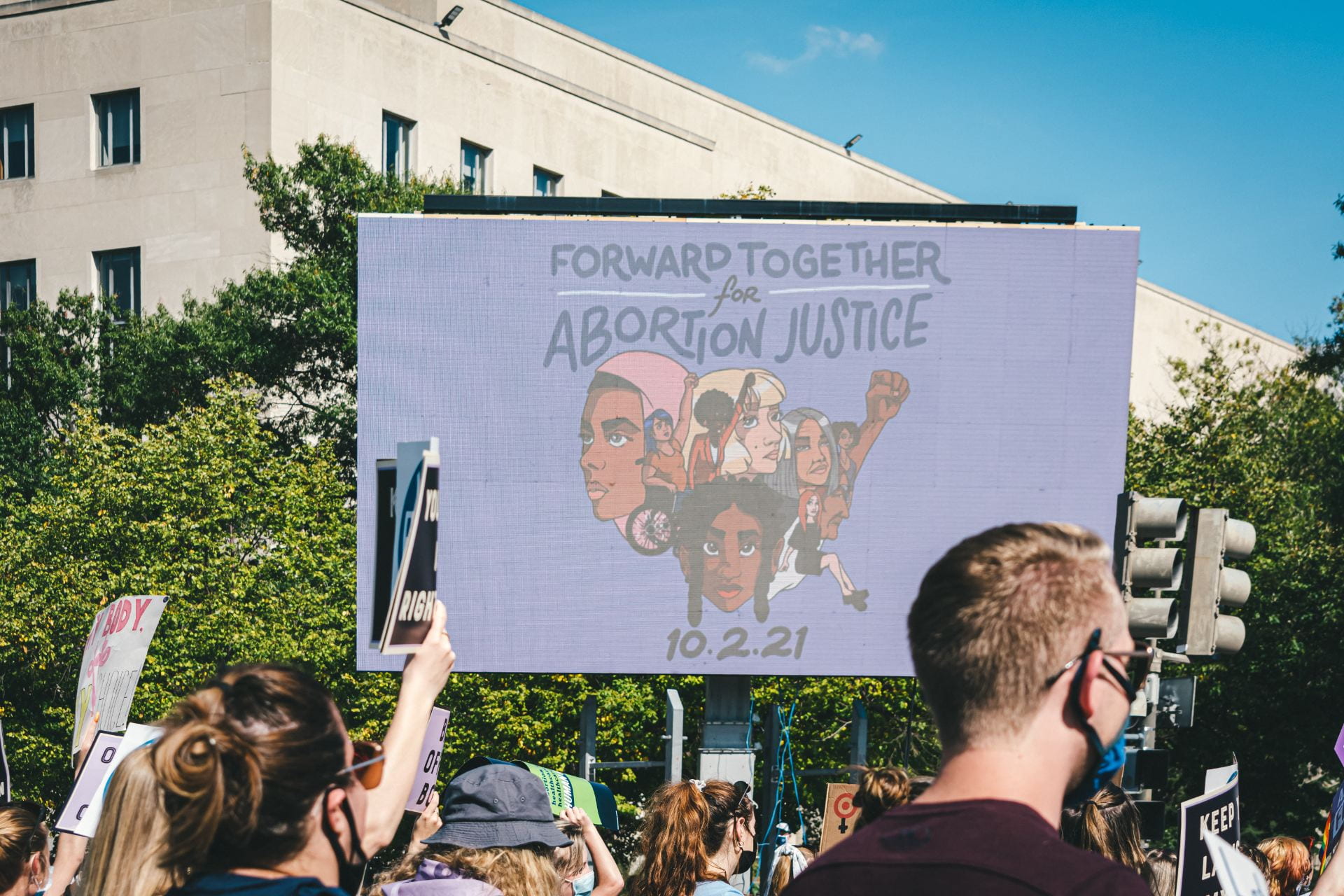
Billboard titled "Forward Together for Abortion Justice"
Source: Unsplash; An Abortion Rights billboard titled “Forward Together for Abortion Justice” at a protest in October 2021.

Future

Later this year, the Federal Courts will hear Mississippi’s case to let their heartbeat law stand for 15 weeks. More conservative states will likely use Texas’s law to support their legislations. Thus, the outcome of these hearings will give the country an understanding of how the federal judicial system will respond to future abortion and women’s health legislation. 

The Supreme Court’s ability to protect abortion rights is being tested, but according to the Los Angeles Times Editorial Board, the responsibility may be passed to Congress instead of staying with the courts.  

In the Senate and House of Representatives sits a bill titled the Women’s Health Protection Act, which could provide universal abortion rights and remove the damaging restrictions women are subjected to for abortions. One of the goals of women’s rights activists is to see this bill passed in Congress, and the time has come for Congress and the Executive Branch to collaborate and alleviate any detrimental decision that the judicial system may make. The public can help with this goal by proactively voting for legislators that will turn bills into reality and supporting many nonprofit organizations and charities such as NARAL Pro-Choice American and Planned Parenthood through volunteer work or donations.  

The Missing Case of Gabby Petito and the Cases of Missing Indigenous Women

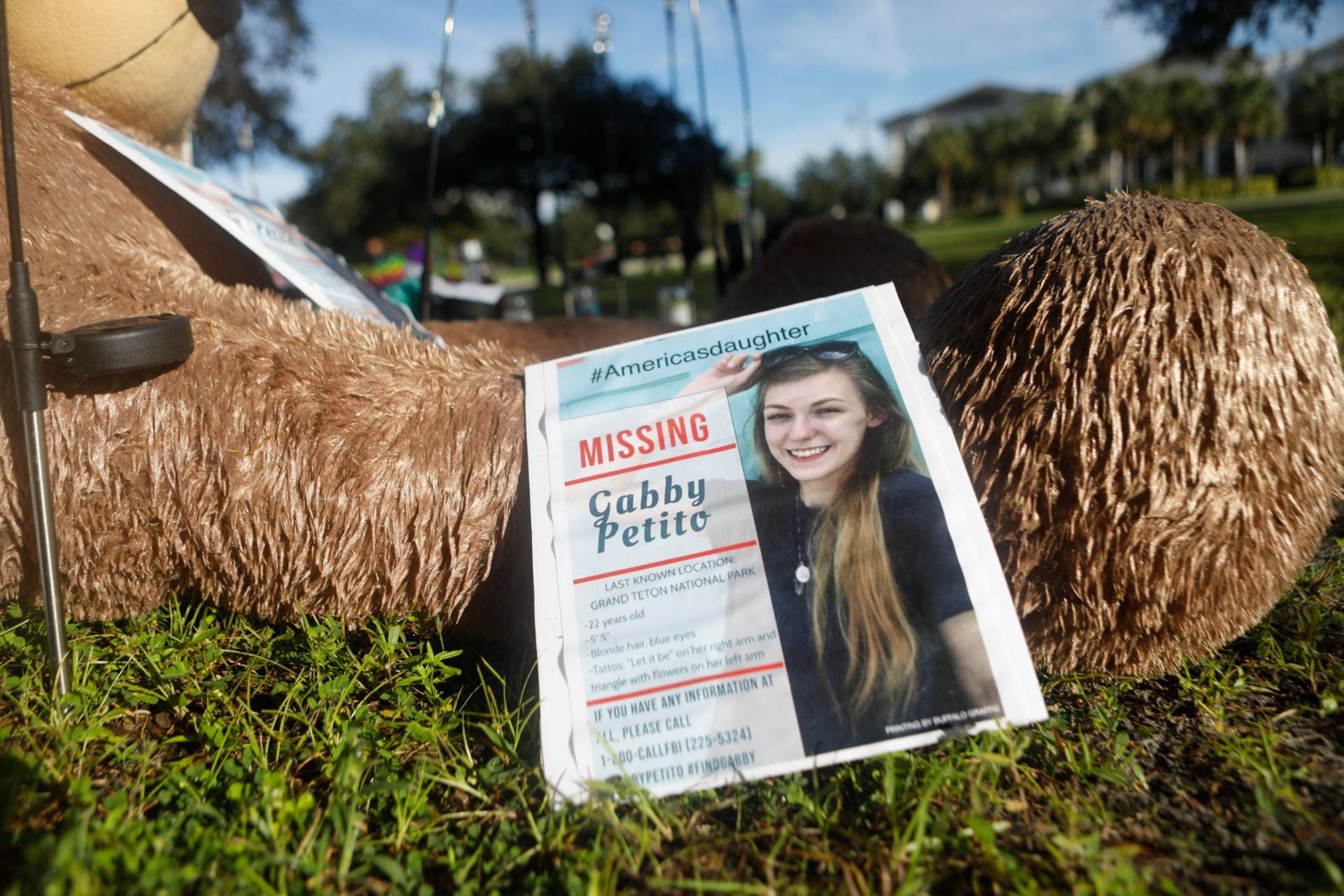
Missing flyer of Gabby Petito depicting a picture of Gabby with the hashtag of America's daughter
Yahoo Images

On September 11, Gabby Petito, a young white woman who was travelling in a van and recording videos about her life with her boyfriend, was reported missing by her family. Petito’s popularity on YouTube and Tik Tok helped the story circulate like wildfire with true crime podcasts , national news channels , and intense investigation from officials and the general public. The fervent public engagement and dedication of investigative officials lead to Petito’s remains being discovered in less than a month in Wyoming. Within the last nine years 710 indigenous people, mainly women, have disappeared in the same area where Petito was found, and most cases have remained unresolved. Where was their national media coverage? Currently, 64,000 Black women are declared missing within America, but where is their media attention and public outcry? The case of Gabby Petito is an unfortunate situation and deserves to have the proper investigative force behind it. However, we must ask ourselves why cases like Petito’s, usually young white women gain the most awareness, while women of color, like indigenous women are often ignored on a local and national level. The power of the media and public opinion is significant. The interest of the public has been able to reopen cases and even apprehend criminals. Public outcry has secured justice for victims and their families,  which is recognition and treatment that indigenous women often lack.

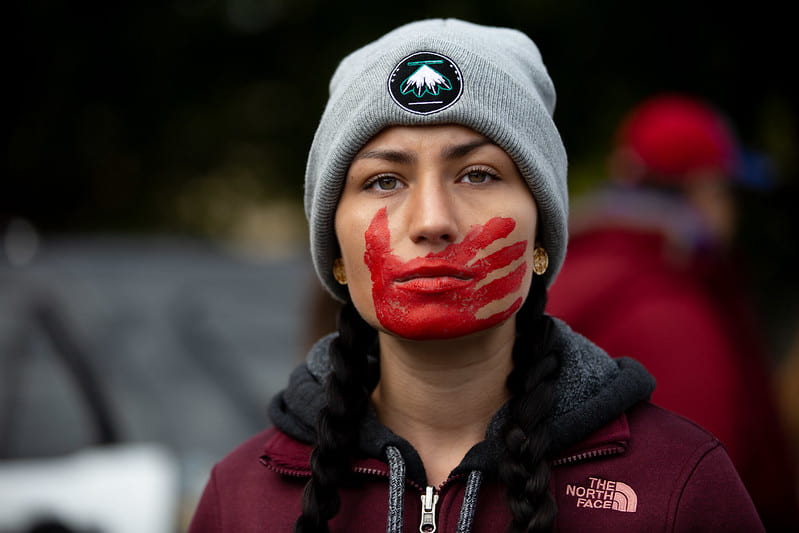
Indigenous women with red hand painted over the mouth, presenting the voiceless and missing indigenous women
Yahoo images

The Mary Johnson Case 

On November 25, 2020 Mary Johnson, an indigenous woman of the Tulalip Tribe, went missing while walking to a friend’s house in Washington state. Over the span of 10 months, the search for Johnson involved a billboard on the interstate and local media coverage, which resulted in little development towards finding or arresting the perpetrator behind her disappearance. Local tribal police efforts have not recovered Mary Johnson’s body and have not made any arrests, despite having identified multiple people of interest.  

Why has such little investigative action occurred over such a long period of time? Abigail Echo-Hawk, chief research officer for the Seattle Indian Health Board, states that investigation by law enforcement is often delayed due to the “maze of jurisdiction” in the local county. The boundaries among the authorities overseeing the case must be distinguished between the federal government, state government, and the tribal police, this process is often complicated by the complex procedures of bureaucracy. Additionally, tribal authorities often lack jurisdiction or are limited in their ability to prosecute non-Native people for crimes committed on tribal land. The federal government, which carries the authority of persecution, often does not offer its services. The competence and empathy that Mary Johnson and her family deserve was undercut by governmental and legislative administrations who focused on avoiding responsibility rather than seeking justice, for Mary Johnson. Cases such as Mary Johnson continue to emulate the numerous, and neglected cases of missing indigenous women.  

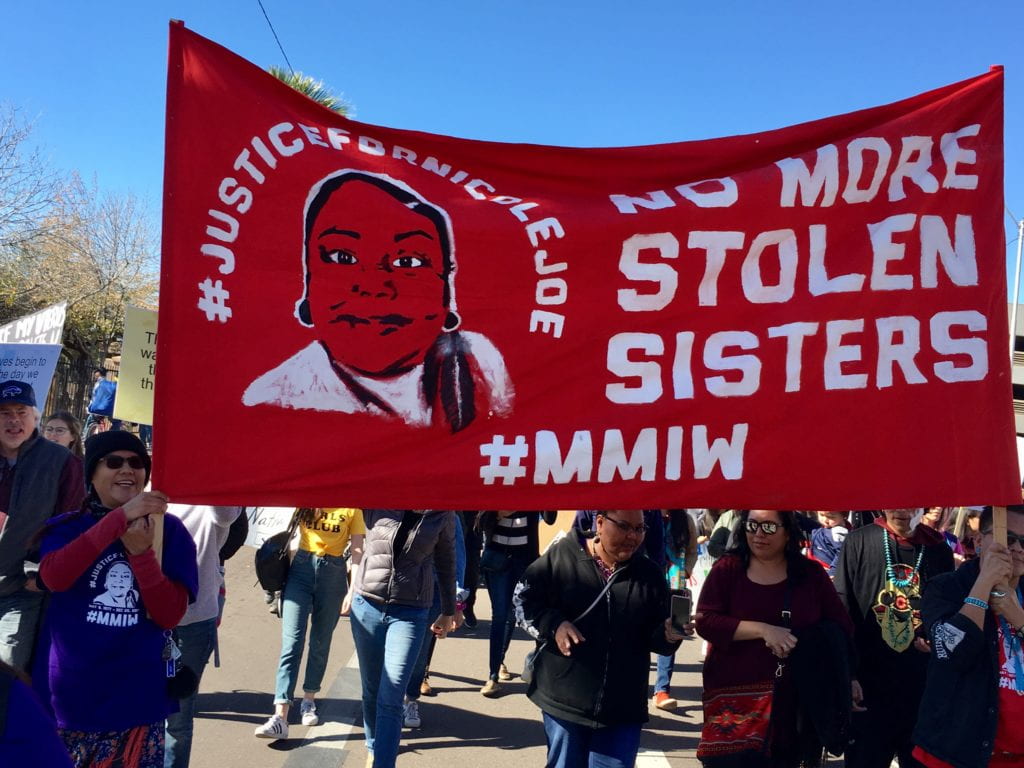
Banner with the words "No more Stolen Sisters" at a protest for missing indigenous women
Yahoo Images

The Disparities in Media Attention and Investigation 

The discrepancy in the media treatment and public awareness of missing white women compared to missing women of color, including indigenous women, is referred to as “missing white woman syndrome.” The Lucchesi Sovereign Bodies Institute reports that from 2000 to 2009 local and state media covered 18% of homicide cases related to indigenous women and 50% of homicide cases related to white victims. The reporting of cases between white and indigenous victims is even dependent on the status of the victim, whether they are dead or alive. The Wyoming Survey and Analysis Center reports that white people are more likely to have an article written about them while they are still alive. Approximately 76% of articles written about white victims are published while the victim is still alive, but 42% of articles written about indigenous victims are written after the indigenous victim is found dead. Indigenous people are more likely to have an article written on them if they were found dead with 57% of articles being on indigenous missing people, but no articles about white missing persons which displays that white missing persons receive media recognition in a timely manner, before the victim has been found dead. The underrepresentation of indigenous women within media is alarming considering how there have been 5,712 missing cases since 2016, .  

The lack of awareness and ignorance surrounding the numerous cases of missing  indigenous women is ironic considering how indigenous women are at higher risk for acts of violence and should receive more awareness and protections. In fact, American Indian and Alaskan Native women living on tribal lands are murdered at rates more than ten times the national average, according to the U.S. Department of Justice. Publicity around these cases is crucial because these cases are not simply cases of missing people, but also cases of domestic violence, homicide, sexual assault, and sex trafficking which are rampant issues within indigenous communities. Compared to their white counterparts, indigenous women are 1.7 times more likely to experience violence, and 2 times more likely to be raped. More than half of indigenous women have experienced sexual violence (56.1%) and have been physically abused by their partners (55.5%). These acts of violence intrinsically violate and disregard the human right for indigenous women to exist in peace and security. Systematically, the safety and protection of indigenous women is neglected and allowed to continuously occur without intervention from the United States government.  

Why is there a Gap?  

Indigenous women’s rights advocates argue that indigenous women are often blamed for their own disappearances, thus resulting in a lack of empathy and effort from officials, media, and the public. 

Echo-Hawk, Seattle Indian Health Board chief research officer states that, “They’re [indigenous women] assumed to have run away, have substance abuse issues, or done something that justified them going missing or being murdered.”

Due to such prejudice and bias from authorities, the crucial initial period of search for a missing person is often lost because of the dismissal of families’ concern and refusal of investigative officers to report an indigenous woman is missing. Echo-Hawks details the common scenario as victim blaming where authorities ask questions like, “Did she run away? Was she out drinking?” and then dismiss family member concerns by saying their loved one will likely just come home in a couple of days. 

Beyond the biases of local authorities, such victim blaming can manifest into negative character framing within media coverage further leading to poor incentive for authorities and the public to display concern and initiative in resolving cases and serving justice for missing indigenous women. The Governor’s Taskforce on Missing and Murdered Indigenous Persons reports that 16% of articles about indigenous people involves negative character framing, emphasizing negative aspects of the victim’s life, family, and community that are unrelated to the crime itself.   

founders and members of the Na’ah Illahee fund
Yahoo Images
How can you help? 

The negligence of authorities and lack of media attention isolates Indigenous families in their search for their missing family member. 

A Seattle Native-led nonprofit Na’ah Illahee (NIF) launched the “Red Blanket Fund,” to provide support for families of missing and murdered Indigenous people. You can donate to Na’ah Illahee and other organizations like it. Additional organizations include, Missing and Murdered Indigenous Women USA and  National Indigenous Women’s Resource Center 

Bhutan: Persecution in Paradise

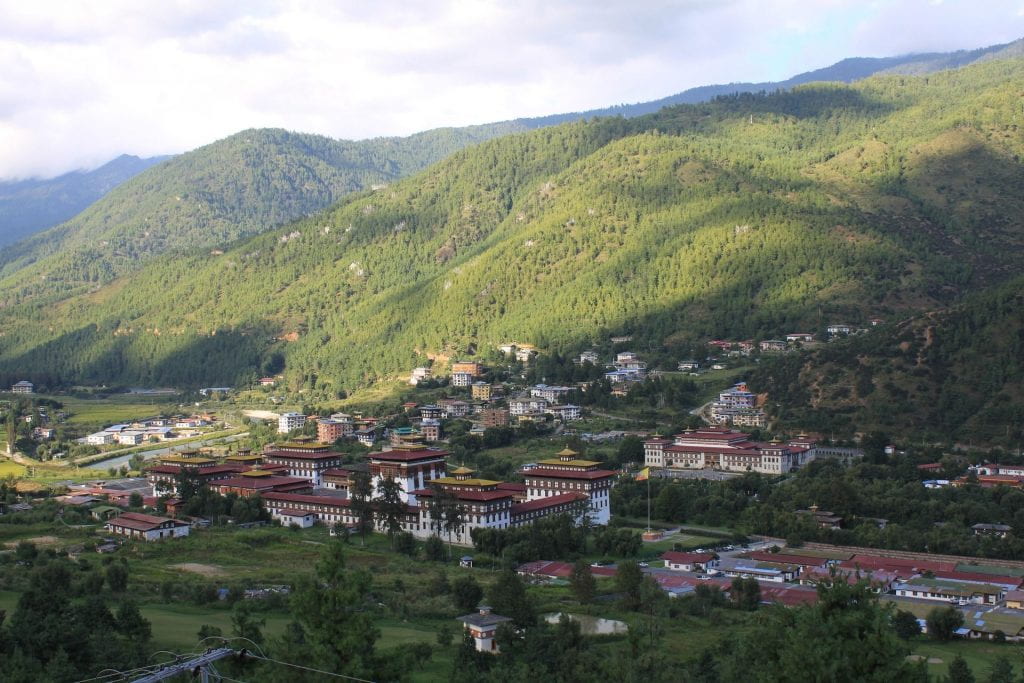
Bhutanese Landscape
Bhutanese Landscape. Source: Pxfuel

 Real Life Shangri-La

Bhutan is often referred to as an idyllic Himalayan nation, a land of peace and prosperity, happiness, and beauty. After visiting Bhutan in 2017, I was even more fascinated, and truly began to understand why the small, neutral country has been dubbed a “real-life Shangri-La”. It is the only nation in the world to measure annual success by Gross National Happiness, rather than Gross Domestic Product. It is also the only country to have a carbon-negative footprint, with extraordinary levels of hydropower and renewable energy production and a zero-tolerance policy for industrial development. Bhutan is rapidly decreasing poverty rates and increasing the middle-class population. Government programs have made education and trade school accessible to most citizens who desire it. Bhutan has managed to remain neutral for hundreds of years with a minimal military presence despite being nestled between two conflicting superpowers, India and China. Citizens of Bhutan enjoy the state’s extensive social welfare programs and are enamored with the royal family that abdicated power to allow a peaceful transition to a democratic system.

In short, the nation seems like a true paradise, where culture and tradition are preserved with love and care, where nature is respected and upheld, and where one can pursue life to the fullest in a land of prosperity and opportunity. When I had the opportunity to travel through Bhutan, I was stunned by the gorgeous landscape, nation, and culture. I was welcomed with clearer air than I thought possible, a colorful landscape filled with trees and prayer flags, and adorable buildings constructed in traditional Bhutanese fashion. The people were so happy, and talked passionately about their country, royal family, and culture. There is a strong sense of nationalistic pride, and from everything Bhutan boasts, it seemed to be entirely deserved. Our guide taught us about local customs, Bhutanese Buddhism, traditional dress and building style, and masterfully escorted us through the most beautiful aspects of Bhutan and its culture. 

It was only after leaving that I learned of human rights abuses Bhutan so carefully hides from tourists. Our state-sanctioned tour guide was an instrument in how this flawless reputation has been skillfully crafted, and the execution was so perfect that nothing felt staged while I was there. I enjoyed the country within an intricate veil of ignorance, unaware of the atrocities that no one is allowed to see.

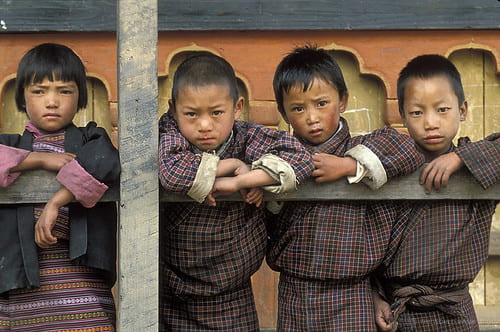
Bhutanese children in traditional attire, leaning over a balcony
Bhutanese children. Source: World Bank Photo Collection

Violations Exposed

Bhutan may appear to be a nation without error, but the country has perpetrated major human rights violations since the 1980s. For four decades, the United Nations, Freedom House and Human Rights Watch have consistently criticized and exposed Bhutan’s human rights violations. The nation is limited by strict libel laws and a culture that is unwilling to speak negatively on the king or his policies. While free speech is protected under Bhutan’s constitution, it is rarely practiced and this self-censorship is coupled with a flawed judicial system that harshly punishes those found to be committing the dangerously broad charge of libel. In 2016, a Bhutanese reporter faced libel fines of up to 10 years salary for critiquing a prominent businessman on Facebook. With penalties like this, it is no wonder that citizens of Bhutan do not dare criticize the crown, even though free speech is allegedly protected. Bhutan has been on a Human Rights Watch list since the 80s due to prolific persecution of ethnic minorities. While Bhutan has received credit for its positive changes since transitioning into a democracy in 2008, they still have a long way to go before they can be considered a free nation.

Bhutanese refugees sitting outside
Bhutanese refugees. Source: Creative Commons

Ethnic Cleansing Pre-Democracy

The horrific treatment of the Lhotshampa people in Bhutan is the most atrocious human rights violation known to be committed by the Bhutanese government. The Lhotshampa people are Bhutanese residents with Nepali ethnic backgrounds, who have lived in Bhutan for generations but still speak a separate dialect and have a differing culture from the majority in Bhutan. In order to understand the current plight of Nepali migrants in Bhutan, we must understand a little bit of the once-neighboring nation, Sikkim. Sikkim was once an established monarchical state with most of its population being of Mongolian/Tibetan descent as Sikkimese, just like the ethnic Bhutanese. However, Sikkim faced a mass migration of ethnic Nepalis (of Hindu and Indo-Aryan descent) that caused the people of Sikkim to become a minority in their own nation. Sikkim fell as an independent state and was annexed by India in the 1950s, and the leaders of Bhutan have used the fall of Sikkim as a fear-inspiring example ever since. It is this nationalism and fear of losing sovereignty to one of the superpower neighbor states that has created such a widely supported systemic oppression of the Lhotshampa people in Bhutan.

Bhutan faced its greatest human rights violations in the 1990s, as strong nationalism and resentment towards the Lhotshampa people came to a boiling point. The refugees crossed the border with tales of an ethnic cleansing occurring in Bhutan, stating they were given mere days to sell their homes and were marched from rural villages to Nepali refugee camps. The government’s forces accompanied the refugees across the border with loaded guns and photographers, and according to a Lhotshampa teen interviewed by the Human Rights Watch, “[They] told me to smile…He wanted to show that I was leaving my country willingly, happily, that I was not forced to leave”.  It is estimated that the total number of refugees produced in the 1990s was just above 100,000, which is absolutely astounding when we look at Bhutan’s current national population of 780,000. While Bhutan is often portrayed as a modern “Shangri-La”, the seemingly idyllic Himalayan country created more refugees per capita  than any other nation in the world in our recent history. Of those 100,000 refugees, 85% have now been rehoused in the United States.

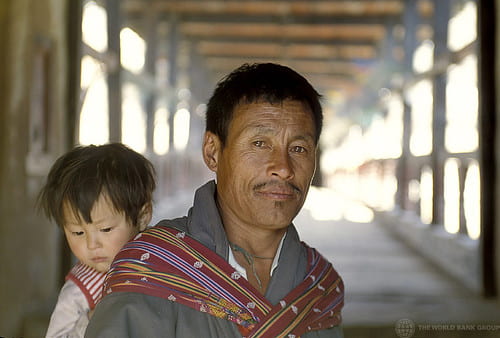
 Bhutanese man with child
Bhutanese man with child. Source: Creative Commons

Democratic Safeguards Fail

Despite the nation peacefully transitioning towards a democratic state in 2008, the new government has continued the systematic harassment of the minority group, even increasing certain anti-Lhotshampa policies. While the Lhotshampa are no longer persecuted as openly as they were in the early 1990s, they still face significant discrimination within the nation their families have called home for generations. Out of countless treaties currently in existence to protect and defend human rights, Bhutan has only signed two. Bhutan signed the Convention on the Rights of the Child (CRC) in 1990, and many within the international community argue that Bhutan has violated the convention due to the large population of children within the persecuted Lhotshampa refugees.

Perhaps the most recent evidence proving such discrimination came with Bhutan’s new constitution in 2008, when Lhotshampa people discovered their citizenship was up for debate, and access to passports and documentation became determined by financial, marriage, or literacy status, which is very reminiscent of the second-class citizenship African Americans faced in the United States. Some of the limitations imposed upon Lhotshampas with these targeted passport systems are the inability to travel internationally, which is a blatant violation of both the right to Freedom from Discrimination and the Right to Movement established in the Universal Declaration of Human Rights. One of the brilliantly cruel aspect of the passport stipulations is that while Lhotshampa people may freely leave the country, it is extremely unlikely that they will be allowed to return. For many, a trip to visit neighboring India or Nepal is the termination of calling Bhutan their home. Essentially, the Bhutanese government made it abundantly clear that Lhotshampas are not welcome in Bhutan. 

In addition, while there is no clear law preventing Lhotshampas from purchasing property or moving freely within Bhutan itself, it is extremely unlikely in practice that Lhotshampas will be able to secure property or livelihoods outside of specific regions that have become socially designated for them. Bordering nations like Nepal continue to host new refugees fleeing a land many consider to be peaceful, sacred, and free of worldly troubles. Lhotshampas have continued to cross the Nepali border to refugee camps since 2008 purely out of desperation from lack of work or freedoms in Bhutan. Websites like these provide some much needed insight into the current plight of the Lhotshampas, as well as what life is like for those still awaiting rehousing inside of their temporary refugee camps. 

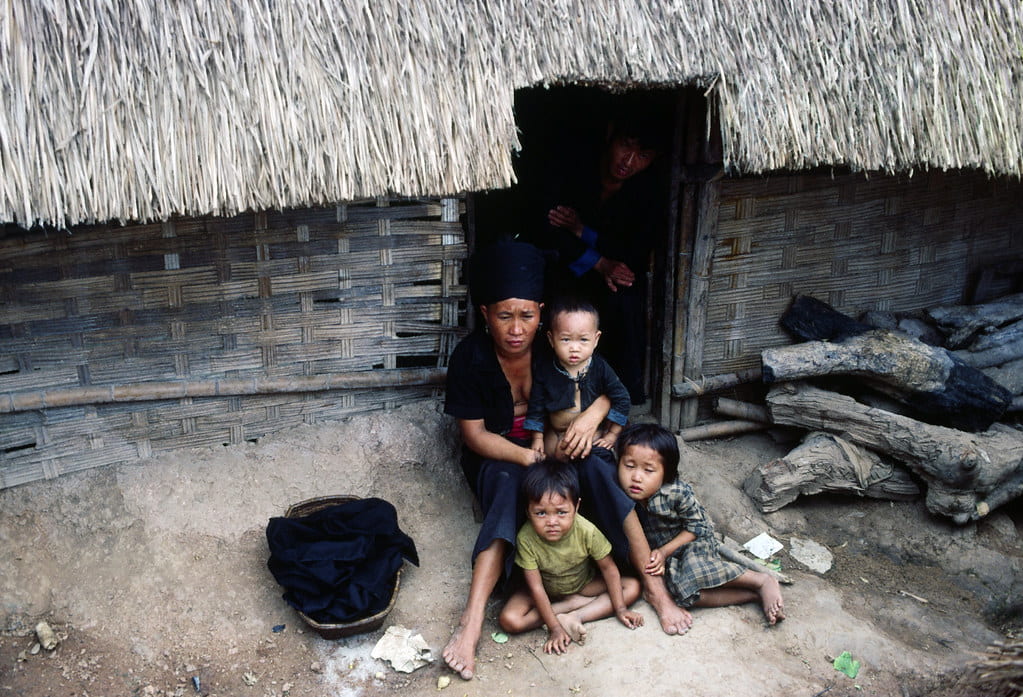
Refugees outside of a small hut
Refugees outside of a hut. Source: United Nations

How to Help

In order for change to be made, Bhutan needs continual pushes from the outside world. By spreading the true story of the Lhotshampa people and looking for ways to get involved, you are directly contributing to decades old efforts to ease the horrors they face. Creating action on any level is an excellent way to assist the Lhotshampa people and refugees like them. If you would like to donate or volunteer to assist Lhotshampa refugees, there are countless local and international efforts that will put anything you can give to great use. Reputable non-profits like Sewa USA use funds to provide necessities, transportation and employment help for Bhutanese refugees in the United States, and the World Food Programme uses donations to provide food and resources to Lhotshampas still displaced in refugee camps. Ultimately, resource-based aid is an excellent way to assist those who have been cruelly displaced and discriminated against, but only international pressure for domestic changes within Bhutan will be able to stop the persecution and prevent any more Lhotshampas from becoming refugees.

An Ongoing Fight for Paid Parental Leave in America

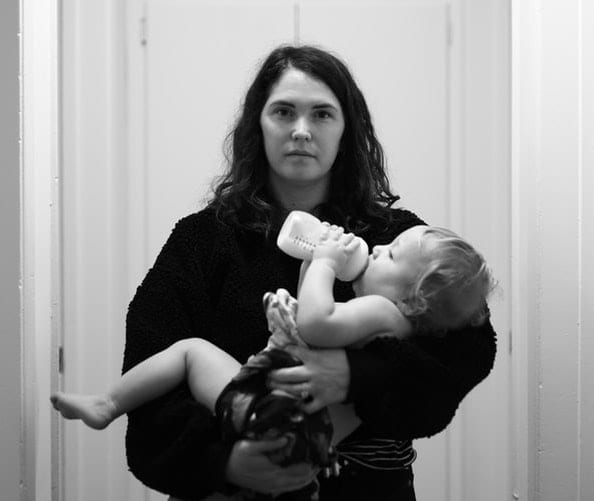
Woman working on a laptop while holding a baby
Source: Yahoo Images

The United States is one of three countries in the world, and the only first world country, that does not provide paid time off upon the welcoming of a new child into the home. Today, eighty-two percent of U.S. voters, across party lines, support implementation of a national paid family and medical leave policy. However, only thirteen percent of American workers have access to such privileges. Much of the debate surrounding the topic involves who will pay for such policies, and who exactly should be eligible to receive the benefits. Whether you have personally been put at a disadvantage by this situation or have the privilege of merely learning about it from media outlets, such as Senator Bernie Sander’s audacious Instagram posts, it is quite difficult to ignore the prevalent issue of the lack of paid parental leave in America. 

Paid Parental Leave as a Human Right 

The scarcity of paid parental leave is a violation of various aspects of the Universal Declaration of Human Rights. Article 23 of the UDHR states that everyone has the right to “just and favorable conditions of work” and “remuneration ensuring for himself and his family an existence worthy of human dignity and supplemented, if necessary, by other means of social protection.” The definitions of adequate work conditions and social protections can and will obviously be interpreted by society in different ways over time; however, Article 25 goes on to state:  

  1. “Everyone has the right to a standard of living adequate for the health and well-being of himself and of his family, including…medical care and necessary social services, and the right to security in the event of unemployment, sickness, disability, widowhood, old age or other lack of livelihood in circumstances beyond his control. 
  2. Motherhood and childhood are entitled to particular care and assistance. All children, whether born in or out of wedlock, shall enjoy the same social protection.”

Regardless of not being stated specifically, it is a common belief that paid parental leave exists within the realms of the above stated rights and is an ethical standard to which society should be held. Pushing personal opinions aside, a recent article from The Guardian says “The American College of Obstetricians and Gynecologists (ACOG) recommends women take at least six weeks off work following childbirth. But with no federally mandated paid family leave, for many women maternity leave is an unaffordable luxury.” 

The Reality of a Working Mother without Parental Leave 

Mother holding her baby
Source: Unsplash

As the participation of women in the workforce has steadily increased since post-World War II, the modern era expects women to work full-time as if they are not raising children, yet also expects women to raise children as if they are not working full-time jobs. This concept is evident in many American women’s lives who push off having a career until their children are grown or wait to have children until they are settled in their career. With the knowledge that many women do not have access to parental leave, another question is evoked: what happens to working women when a child is born? Those who are lucky enough to have a planned pregnancy may opt to save as many sick days as possible before their delivery date to be used during their recovery. But unfortunately, in many cases women can be forced to leave their jobs because of choosing to give birth. 

Not all Families are Impacted the Same 

In addition to women being disproportionately affected on a large scale, there are various other societal groups which are put at a greater disadvantage. According to a June 2021 article on BBC, “workers in blue-collar jobs are less likely to get paid parental leave than those with corporate jobs.” This not only affects the lower-income spectrum of the working class, but therefore largely affects BIPOC women and families at a higher rate than their white counterparts. Specifically in the post-war years, resistance formed through the idea that granting universal leave to all workers would encourage the “wrong” families to have the ability to produce. The UDHR lays out in Article 2 that all persons should have access to such human rights without any distinction regarding not only sex and gender, but race and social status as well. 

What does the fight towards ensured parental leave in America look like today? 

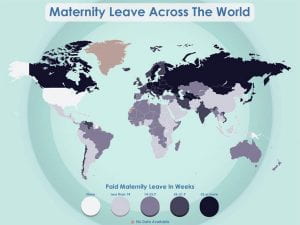
map of maternity leave around the world
Source: Yahoo Images

The fight for paid parental leave is not new to the agenda of human rights crises. In November of 1919, The International Labor Organization was quoted by the International Congress for Working Women in stating 12 weeks of paid parental leave is a “medical necessity and social right.” 

Today, lawmakers across America’s political spectrum voice their support for paid parental leave. Regarding the public, advocating for paid parental leave should be accompanied by voting for politicians at a federal and state level that will bring action to further implementing this agenda into legislation. There are also various activist organizations nationwide that can be further magnified by volunteers or monetary donations, including the PL+US and the National Partnership for Women and Families. 


Gun Violence and Human Rights – An Event Recap

Bullet casings and crime scene tape
Source: Upsplash

On Wednesday, September 29, the Institute for Human Rights at UAB welcomed Katie White, UAB Masters of Public Health student, to the Social Justice Café. Katie facilitated a discussion on gun violence and human rights.

Katie began by sharing that her research on gun violence in Birmingham emphasizes the intersections with public health and public health responsiveness. Katie shared statistical data on national rates of gun violence as well as in the state of Alabama. In the United States, there are an estimated 393 million guns — more guns than humans. Gun violence accounted for 961 deaths in the state of Alabama in 2020. The state of Alabama has the 5th highest death rate nationally, and there was a 15% increase in gun related homicides from 2010 to 2019.

Katie also discussed how the city of Birmingham is addressing the growing trend of gun related homicides. Birmingham has invested in various forms of technology such as; ShotSpotter, Predictive Policing, and a state-of-the-art real time crime center. The implementation of new technology is a step in the right direction, according to Katie; however, technology can be flawed and subject to bias and discrimination, especially against People of Color and people living in underserved communities. Additionally, the merger of traditional police work with new technology is inherently reactionary, creating a strong response whether than creating a strong deterrent.

Social Justice Café participants asked questions and shared their personal opinions. One participant asked Katie if she had any suggestions on how to minimize gun related homicides in the Birmingham. Based on her research, Katie suggests a three-point plan beginning with the implementation of economic development within disadvantaged communities that have historically lacked social mobility and access to opportunities. Next, Katie suggested the implementation of “Hospital Based Gun Violence Intervention (HBCVI).” HBCVI is initiated when a gunshot victim is admitted into a medical facility. Katie shared that “people who are most likely to commit gun violence are often likely to become victims of gun violence.” HBCVI is a proactive policy used to break the cyclical nature of gun violence. The victim will be offered social assistance in the form of social workers and a police officer. It will be the responsibility of the police officer to gather obtain information to locate the perpetrator of violence. It will be the responsibility of the social worker to administer much needed support to the victim as they journey down the road to physical and mental recovery. The implementation of HBGVI could solve a plethora of social injustices. The neglect experienced in underserved communities tends to manifest in the form of violence and mental health deterioration. HBGVI can address violence within underserved communities, as well as administer much needed mental health support during moments of extreme stress. Finally, Katie suggests the City of Birmingham create conflict resolution courses to be taught within communities as well as in the classroom. Arming citizens with healthy conflict resolution skills, instead of firearms, will better prepare citizens to avoid conflict.

After a robust discussion, varying in topics ranging from public health initiatives to community building, Katie offered a final sentiment: “Gun violence is a complex issue and requires a complex solution.” It is the responsibility of everyone to prioritize institutional response to the escalating threat of gun violence.

Thank you, Katie White and thank you everyone who participated in this wonderful discussion. Our next Social Justice Café will be held on Wednesday, October 13, and we will be discussing vaccine mandates and human rights with Dr. Suzanne Judd. Everyone is welcome. Register here!

To see more upcoming events hosted by the Institute for Human Rights at UAB, please visit our events page here.

Human Rights and Climate Change – An Event Recap

Earth
Source: Creative Commons

On Wednesday, September 15, the Institute for Human Rights at UAB welcomed Dr. Courtney Andrews, Program Manager for the Institute for Human Rights and UAB Adjunct Professor of Anthropology, and Dr. Julie Price, UAB Assistant Professor of Public Health, to the Social Justice Café. Dr. Andrews and Dr. Price facilitated a discussion entitled “Human Rights and Climate Change.”

Dr. Andrews began by defining climate change and introducing the audience to the Intergovernmental Panel on Climate Change’s (IPCC) Sixth Assessment Report. The report offers the most conclusive evidence to date that humans have contributed significantly towards the current state of climate change. Climate change has increased occurrences of drought, heavy rain, tropical cyclones, and wildfires in nearly every region of the world. A sense of urgency was conveyed during the Social Justice Café when Dr. Andrews stated global warming will continue to worsen unless we [society] make collective efforts to prioritize ending climate change. According to the IPCC, the global production of greenhouse gas must reach a net zero by 2050 to effectively minimize climate change damages. Dr. Andrews then stated climate change will affect all regions but, we should not expect climate change to affect all regions equally. The most severe impact will be on those already most vulnerable due to poverty, governmental instability, and lack of educational opportunities. Dr. Andrews acknowledged that “those hit the hardest by climate change are the people that have contributed the least to climate change.” The challenges associated with climate change transcend generations by limiting our sustainability options.

Dr. Price, an expert in sustainability, shared with the Social Justice Café audience that the loss of biodiversity caused by climate change will have a lasting effect on society. Dr. Price offered sustainability suggestions to include reduction of human emissions and to start growing crops in untraditional geographical areas. According to Dr. Price, the foundation of sustainability is to “evaluate the whole picture and consider the social and environmental impact of our decisions.” Following Dr. Price’s introduction to sustainability, a Social Justice Café participant asked, “how does climate change violate the Universal Declaration of Human Rights?” Dr. Andrews answered the question by circle back to her earlier point that unstable societies are hit the hardest by climate change because of a lack in resource and access. The lack of resource and access afforded to these countries is a violation of their human rights. Dr. Price then pointed out that “paying for air conditioning is an energy burden. When you already have people struggling for necessities, tensions will rise and increase the potential for neglect in the event of natural disaster.” Also, Dr. Price notes that in the event of natural disaster, caused by climate change, “the ability to evacuate is not afforded to the most vulnerable of society.” It is vital to consider that there are countries that do not have social safety nets to provide care for their people amid tragedy and chaos. Dr. Andrews then added context by drawing a direct connection to the current events occurring in Louisiana, following Hurricane Ida. If people were able to leave their homes, to avoid the hurricane, “what will those people return to?” In conclusion, Dr. Andrews stated that we must “reshape public sentiment surrounding climate change.” In addition to legislative action, public outcry has the power to positively impact climate change.

Thank you, Dr. Andrews and Dr. Price and thank you everyone who participated in this eye-opening discussion. The Institute for Human Rights at UAB’s next event, “An Evening with Clint Smith,” will take place September 22, 2021, at 5:00 pm (CT). Please join us and bring a friend!  Our next Social Justice Café will be held on Wednesday, September 29, and we will be discussing gun control and human rights.

To see more upcoming events hosted by the Institute for Human Rights at UAB, please visit our events page here.


Afghanistan: Looking Back to See the Future

Written by Faiza Mawani

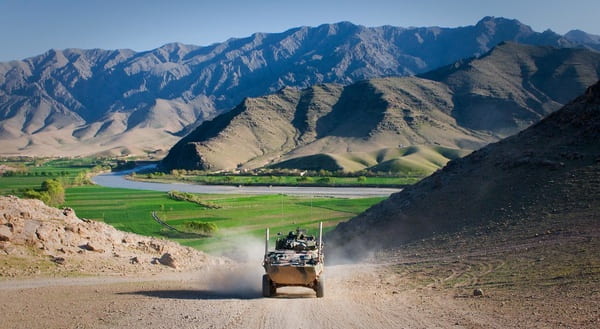
Photo of armored car driving through mountains of Afghanistan
Mountains of Afghanistan. Source: Creative Commons

Twenty years after the events of September 11, 2001, and the subsequent war on terrorism, the United States military has ended its operations in Afghanistan. The country, ravaged by war and too fragile to stand on its own, was immediately overtaken by the very forces the U.S. sought to defeat. After two decades, three administrations, and 170,000 American lives lost, the U.S. is leaving Afghanistan in much the same shape as it was found.

What is to become of Afghanistan and what toll will the inevitable economic and humanitarian crisis take on its people, many of whom do not know where their next meal will come from? What will happen to a generation of women and girls whose education and employment are now at stake and whose rights are tenuous under the new/old regime? What will happen to the millions of children under five that are expected to become acutely malnourished in the next year? What will happen to those that managed to escape – will they find safe refuge in neighboring countries, or will they suffer the plight of many refugees and displaced peoples around the world? All remains to be seen, but at this point, the outlook is dire. Here we provide a brief history of Afghanistan over the past century and consider what lies ahead for the struggling nation.

Afghanistan: A Retrospective

Afghanistan is located centrally in southeast Asia and shares a border with Iran, Pakistan, Tajikistan, Uzbekistan, and Turkmenistan. It is home to at least 14 distinct ethnolinguistic groups, and the mountainous terrain has kept these clans separate and made it difficult for a central government to take hold. The strategic location of the country, however, has made it very enticing to those seeking to procure a hold on southeast Asia. After a period of relative stability after its independence from colonial rule in 1921, the country has been plagued by invasion and power struggles since the 1970s.

In 1953, the pro-Soviet General Mohammad Daoud Khan became prime minister of Afghanistan, and in 1956, Soviet leader Nikita Khrushchev agreed to help Khan establish economic and military ties. At this time, women were granted a more public presence and were allowed to attend university and join the workforce. In 1973, Khan abolished the monarchy and replaced it with The Republic of Afghanistan, naming himself president and keeping close ties with the USSR. While creating his new government, Khan proposed a new constitution in which women were granted more rights, and the country set out on a path to modernization. This did not sit well with local clan members who believed in a strict interpretation of the Qur’an, the holy book of Islam. Tensions rose under the surface until they eventually boiled over.

In 1978, an armed revolt broke out in the countryside, led by conservative Islamist and ethnic leaders who were protesting social changes Khan was trying to implement. This group became known as the mujahideen, or “holy warriors.” Backed by the United States, the mujahideen killed Khan, and a full-scale war broke out from 1979 to 1989: communists versus mujahideen. This being the height of the Cold War, the US continued to provide weapons and tactics to the rebels in order to defeat the Soviets.

Around 1988, Saudi Islamist Osama bin Laden founded the group al-Qaida (“the base”). Though the US had backed the mujahideen in defeating the Soviets, bin Laden argued that the US stood as the primary obstacle to the establishment of a truly Islamist state. By 1995, a newly formed Islamist militia, the Taliban, rose to power, promising peace to the war-torn people of Afghanistan. Calling themselves “students of Islamic knowledge,” the Taliban imposed strict sharia law, stripping women and girls of their basic human rights and instituting public floggings and amputations of those who broke the law.

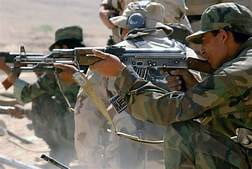
Photo of soldier crouched down pointing gun
Afghanistan. Source: Yahoo Images

The War

September 11, 2001: Al-Qaeda operatives hijack four commercial airliners and crash them into the Twin Towers in New York City and the Pentagon in Washington, D.C. Close to 3,000 people die in the attacks, thousands more are injured, first responders are exposed to toxic fumes that will later be listed as the cause of cancer, and a nation that has never before been attacked on its own soil mourns an incomprehensible loss.

Most of the 9.11 hijackers originated from Saudi Arabia, none from Afghanistan, though the mastermind behind the attack, Osama bin Laden, was operating out of the country. The ruling authority in Afghanistan, the Taliban, was accused of harboring terrorists. In the coming weeks, George W. Bush’s “war on terrorism” provided the U.S. blanket authority to invade any country accused of sympathizing with or aiding Muslim extremists. On October 7, 2001, the U.S. military began a bombing campaign against Taliban forces in Afghanistan. Ground combat troops arrive two weeks later. Thus began what would become the longest war in U.S. history.

Both the Obama and the Trump administrations tried to leave Afghanistan, but the situation remained too precarious to do so safely. President Biden, convinced that there was never going to be a safe time to leave, was determined to put an end to the loss of American lives, especially in a situation of no measurable progress. “It’s time to end America’s longest war,” he declared. The remaining 3,500 troops in Afghanistan have been withdrawn despite the failure of intra-Afghan peace talks and the increase in Taliban attacks on Afghan security forces and citizens. The Taliban wasted no time storming the capital of Kabul, forcing president Ghani into exile, and reasserting its authority.

Biden says Washington will continue to assist Afghan security forces and support the peace process, but what does that mean? As the U.S. officially ends its military operations in Afghanistan with precious little to show for it, much is at stake for those who remain in the country, most notably women and children.

A Human Rights and Humanitarian Crisis

One of the central tenets of the Taliban’s ideology has been the opposition to girls’ and women’s education. It is predicted that around 1 million children will miss out on education due to increased attacks on schools and villages dramatically increasing in the past month since the Taliban has resumed control over Afghanistan. Rather than educate them, the Taliban have a history of enslaving women, increasing the risk of domestic violence, abuse, and exploitation, including forced child marriage. Many humanitarian agencies are concerned about an increase in violence against women during this time of crisis. In an apparent attempt to rebrand themselves as more moderate, the Taliban have made some statements alluding to protections for women, though some see this as an empty promise. The days of denying women the right to education and subjecting them to public floggings and mass executions seem part of a not-so-distant past.

The ensuing humanitarian crises is expected to affect nearly half of children in the country. Food stocks will soon run out, and a third of the country will not have access to basic goods and services. Afghanistan does not have sufficient funding in its international humanitarian response plan; as of August 2021, it is only 38 percent funded. This translates to approximately 1.2 million children losing protective services, leaving them vulnerable to violence, sexual exploitation, and forced early marriages, and about 1.4 million women left without a place of comprehensive support.

Displacement and a Refugee Crisis

Although President Biden did agree to allow Afghani people who worked with the US coalition to come to America with US troops, there were several tens of thousands that could not board the planes. Images of the Kabul airport being jam-packed with families awaiting airlift, along with videos of people handing their babies to American soldiersand absolute strangers for the sake of safety and refuge did circulate our social media pages the past few weeks. The outpouring of compassion did overwhelm the global community, but now that airlifts have ceased, about 39 million Afghans remain trapped in the humanitarian crisis that is yet to emerge in the country. According to the United Nations High Commissioner for Refugees (UNHCR), around 3.5 million people have already been displaced due to violence in Afghanistan. These people are fearful of returning to their homes, but they also lack the finances to survive.

Consequently, the people of Afghanistan will seek refuge in neighboring countries, where many of their fellow citizens already live. For four decades, Pakistan and Iran have hosted millions of Afghan refugees. But these countries are also not capable of doing this for too long due to their own lack of international humanitarian aid. The UNHCR has called on countries to leave their borders open and permit refugee status to the people of Afghanistan in order to evade any more human rights violations and to prevent a greater humanitarian crisis from emerging.

 What Next?

In an article about the challenges that the Taliban now faces, Dan Bilefsky of the New York Times writes: “Will the Taliban engage the world with a more inclusive approach? Or will they return to the ways of the past?” So far, the Taliban have been cracking down on protests, rounding up known opponents, and violently suppressing the news media. Unfortunately, from a human rights perspective, it appears that the worst is yet to come.


A Glimpse at the Battles Women Face in Nicaragua

by April Alvarez

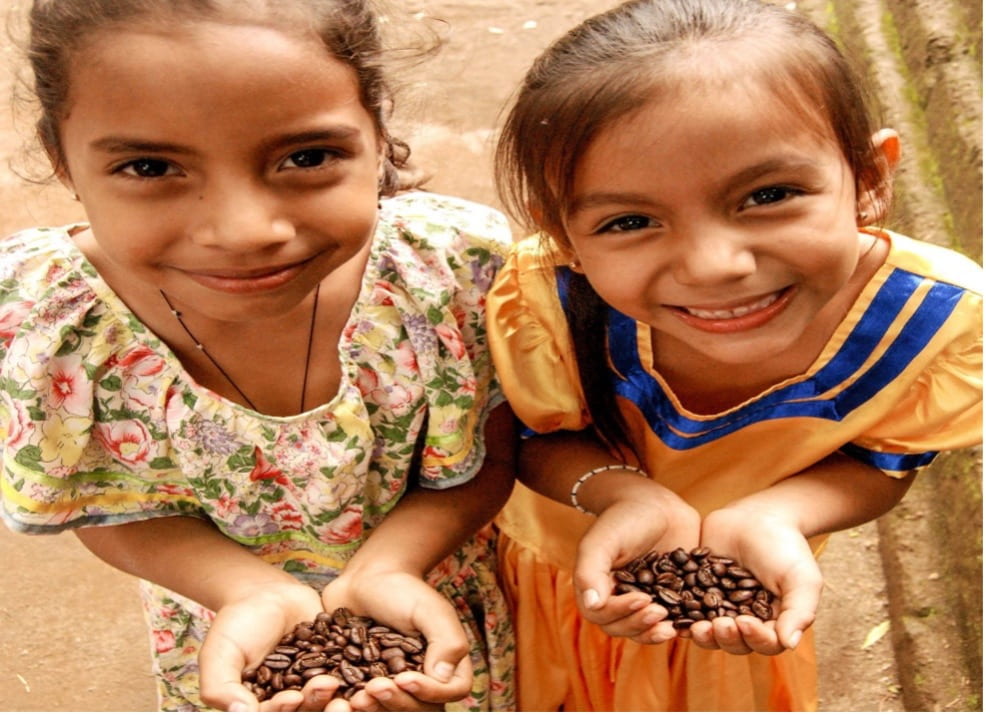
Photo of two little girls holding beans and smiling
Source: The author

A Human Rights Internship

This 2021 Spring Semester, UAB’s Institute for Human Rights had the privilege of partnering with Clínica Verde in Nicaragua to dive into the human rights issues that women in the country face, especially regarding health care. The internship, directed by Dr. Tine Reuter and Dr. Stacy Moak, has opened doors to important conversations about the importance of voicing and advocating for people who need support. Although the semester just started, those involved with the internship have already been exposed to several educated and experienced scholars that are making a mark on the country and are looking to equip and inspire others to do the same. In just one month, students have learned about the life of women and children have struggled to find economic stability, and access to basic resources. The purpose of this partnership with Clínica Verde is dive deeper into the ways that UAB (University of Alabama at Birmingham) students can serve others even during a global pandemic. Through the development of the course students will develop programs and educational presentations that aim to advocate the same values and goal displayed by the staff at Clínica Verde to reach out to more people in the clinic’s surrounding community but also to those in more rural areas.

Feed My Starving Children (FMSC)

Yolanda Paredes-Gaitan was the first speaker invited to speak to the students. She lived in Nicaragua for twelve years but is now currently living in California and working for the U.S. government. While in Nicaragua, she worked alongside Clínica Verde helping find ways to advocate for human rights issues, now she does that in partnership with the U.S. Valuable information shared through her presentation revealed that 65% of people in Nicaragua live in rural areas that are usually only accessed by walking or horses. Although the country of Nicaragua is rich in resources such as coffee, chocolate, and honey, however the country has been deemed the second poorest country, after Haiti. So why does this matter? It matters because it affects everything, including the quality of life in the country. Every community in the country has what is known as a health post. Each health post is usually the primary place for individuals to go to for basic health care needs, especially since few people have access to a nearby hospital. However, the problem is that most of the posts are rundown and in need of repairs. With the help of Clinica Verde, one post which had a structure that was falling apart, had holes in the roof, had no running water was transformed into a new and improved post that is now a green building that has natural ventilation, lighting and has access to water and the resources needed to provide the community with quality services. The goal of Clínica Verde is not to keep all the knowledge to themselves but instead to spread it with those in the country. Another thing that the clinic has been able to do is to provide posts with the knowledge necessary to run an intensity garden. The reason the clinic does this is because they are not looking to provide the women and children with short term solutions to their problems. They want to equip people with the knowledge to improve their lives long term, so they are more educated on how to live a more healthy and sustainable life.

Who visits the clinic?

People from all around the country visit the country. One lady traveled by bus and walked two hours up a hill just to get back home, but she did it because she loved the care provided by Clínica Verde. However, unlike the traditional view that when patients need care, they must go to the clinic, Clínica Verde travels to rural communities three times a week. Their mission goes beyond what the four walls of their building. They make it a priority to reach those who would otherwise not have time to visit the clinic. Another important thing to note is that the clinic also Nicaragua had no education in optometry until one donor came to the country and changed that. Now the team at Clínica Verde also has a program that helps provide people in the community with free glasses which is centered around the students but also anyone in the student’s lives that may also need glasses. This optometry program has also allowed senior citizens to have surgeries that have saved them from going blind.

The Suez Canal, Global Trade, and the Plight of Seafarers

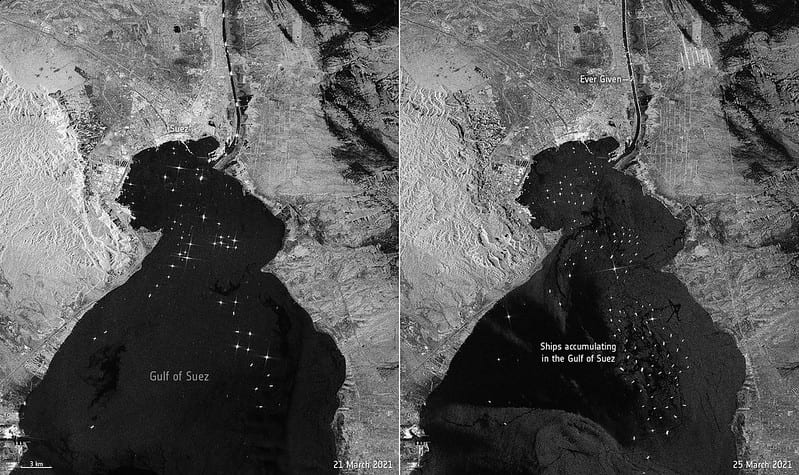
Every significant economic market in the world has a large reliance on the global supply chain, or globalization. These supply chains rely on canals to connect one side of the world to the other, including the Panama Canal and the Suez Canal. On Tuesday March 22nd, one ship single handedly disrupted the entire global supply chain. The Ever Given, one of the largest container ships in the world, ran aground in the middle of the Suez Canal. This event blocked any other container ships from crossing the Suez Canal in either direction, effectively cutting off a major link between Asian markets and European markets.

evergiven blockage in the suez canal
The blockage created by the Ever Given as of March 21, 2021. Source: European Space Agency. Creative Commons.

According to an analysis by Bloomberg, the Suez Canal blockage created by the Ever Given is holding up $9.6 billion of goods. Some blocked ships are carrying oil, others are carrying items from electronics to clothes. Should the blockade in the Canal last for two weeks, nearly one-fourth of the container ships that would normally be in European ports will be blocked. Normally, approximately 12% of global trade passes through the Suez Canal. Every day, the canal is able to move about 106 large shipping containers between Asia and Europe. To put this in perspective, before it was released, it is estimated that the Ever Given was holding up about $400 million an hour.

The world has recently been relying on markets that reduce the need for stockpiling items and instead provide products “just in time.” The internet and the current system of global shipping allow companies and consumers to buy and receive products right when they need them, instead of stockpiling. The COVID-19 pandemic provided a fantastic example of how “just in time” manufacturing has major flaws. From toilet paper to essential medical protective gear, certain products were in very high demand around the world. There was the assumption that these products could be delivered quickly and dependently to those who needed them at the start of the pandemic. However, this calculation was severely flawed and the high demand from all corners of the world for the same products caused months of delays in manufacturing leading to deadly consequences.


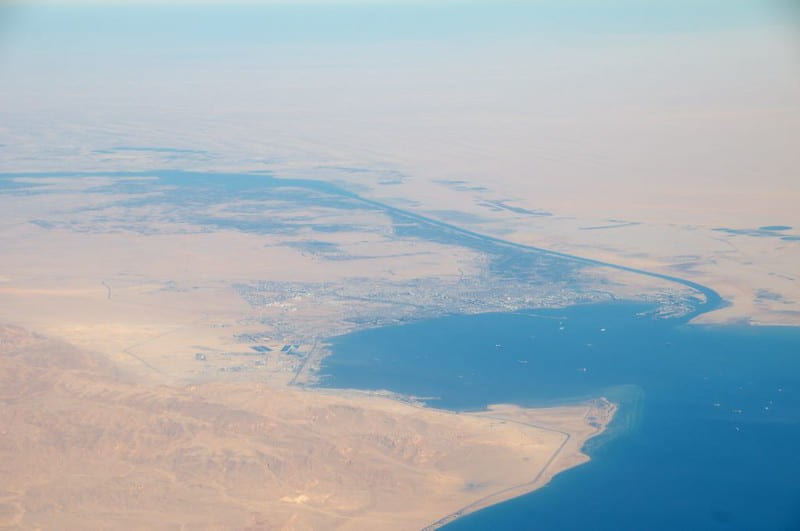
The suez canal aerial view
The Suez Canal. Source: David Reid, Creative Commons.

The Suez Canal runs through Egypt, connecting the Mediterranean Sea to the Indian Ocean. The canal was initially owned by French investors when it was conceived in the mid-1800s. The construction of the canal began in 1859 and took 10 years and 1.5 million workers. These workers were drafted from Egyptian peasants, approximately 20,000 peasants every 10 months, for extremely difficult work that was very poorly compensated. Many of these workers died of various diseases, including cholera, during their time working on the canal. Throughout the World Wars, Britain controlled the canal. However in 1956, British powers withdrew after many years of negotiating with Egypt. At that point, the Egyptian government led by President Gamal Abdel Nasser had control of the canal. The Suez Crisis began in 1956. Nasser had decided to nationalize the canal once the British forces departed. Israeli, British, and French forces decided to stage a military intervention after deciding the Egyptian response to the canal could be seen as a security threat. The crisis ended in 1957 due to the first-ever United Nations’ peacekeeping force.

The Suez Canal blockage created by the Ever Given has brought to light how much the world relies on cargo ships. 90% of the global trade is carried out within maritime supply chains. As the COVID-19 pandemic has continued, thousands of workers on ships have been stranded due to COVID-19 restrictions, unable to return to home countries and unable to be relieved. This has become a humanitarian crisis. Seafarers are the ones providing the world with food, essential supplies, and any other items purchased by consumers. However, they have been unable to leave their ships and go home to their families.

cargo ship
Cargo Ship. Source: Pedro Szekely, Creative Commons.

Crews on the ships are supposed to rotate on and off the vessels every 11 months. However due to the pandemic, many seafarers have long surpassed this 11 month marker and still have no notice as to when they can return home. Even before the pandemic, seafaring is a difficult job. The shifts are long, sleeping quarters are tight, and there is very little contact with those off of the ship. At the beginning of the pandemic, the situation was even described as bordering on forced labor. A major problem is the growing levels of fatigue experienced by the crew on ships. The number of reported suicides within this population has doubled, with this statistic not including the cases that were deemed accidents or missing at sea.

While the blockage of the Suez Canal by the massive ship, the Ever Given, has prompted memes and jokes around the world, it has brought more attention to the world’s reliance on shipping industries and to the lack of welfare experienced by seafarers. The Ever Given rendered the Suez Canal virtually useless for many days and the ramifications of this will fall primarily on the backs of shipping industry workers. It is important to recognize how COVID-19 has impacted the global economy as well as seafarers and to work towards achieving fair rights for these workers.