Saudi Arabia is in the Middle East and occupies about “four-fifths of the Arabian Peninsula”. It is home to Islam’s two holiest cities, Mecca and Medina. When thinking of Saudi Arabia, most people associate it with religion, petroleum wealth, and tribalism. Although, throughout the years, Saudi Arabia has become more urban while experiencing vast technological, educational, social, and economic changes. However, in terms of women’s rights, Saudi Arabia has received much backlash.
Women’s Rights Timeline in Saudi Arabia
In 1955, Saudi Arabia’s first school for girls was created and, in 1970, the first university for women opened its doors. In 2001, women were allowed to get personal identification cards as long as they had permission from their guardian. Furthermore, it was issued to the guardian, not the women. Until 2005, it was cultural practice for women to be forced into marriages even though it was considered illegal. Four years later, in 2009, the first female government minister, Noura al-Fayez, was appointed. In 2012, women were allowed to compete in the Olympics on the national team for the first time. Before the 2012 Olympic Games, there was a possibility that Saudi Arabia could be banned due to gender discrimination. A year later, women could ride bicycles and motorcycles in recreational areas but only if they wear the full Islamic body covering and have a male relative present. That same year, 30 women were sworn into the consultative council, the Shura. In 2015, women could run for office for the first time, which resulted in 20 women being elected to municipal roles in the absolute monarchy. Beginning just last year, women can now go to the sports stadiums and drive. Furthermore, in order for women to get their driver license, they do not need permission from a male guardian and can drive by themselves. Finally, in 2019, there a new law established where women would receive a text message if they got divorced, whereas in the past, their marriage could end without their knowledge. Additionally, they can check their marital status online or in court, but only if she has her husband’s approval or if he has harmed her. Many of these policy reforms still include male supervision. While persecution is a high risk, women are willing to fight for their freedom.
One of the most common reasons women flee Saudi Arabia is due to the restrictions placed on where women can travel. Women are not given the right to leave the country without their male guardian’s permission. Furthermore, a woman’s ability to choose her marriage partner is solely dependent on the permission of their male guardian. In January 2019, the country set the minimum age of marriage at 18, but girls aged 15-18 can still become married without the court’s approval. Other reasons include but are not limited to domestic violence, discrimination in employment and healthcare, and inequality in divorce, child custody, and inheritance.
In Saudi Arabia, there is an app called Absher, which the government can access. The purpose of the app is for men to approve or deny women to go abroad. As mentioned earlier, some women have tried fleeing the country and must do this secretly due to not having permission from their male guardian. In this case, technology is detrimental for women’s rights because it places a limitation on their freedom. Technological advancement makes it easier for men to have power over women by “policing” the women’s movement. Whenever a woman wants to go to the airport, she cannot leave without the government and her guardian knowing because they receive a text alert; people have gotten around this system. For example, Salwa left Saudi Arabia by getting her father’s phone and replacing his information with her information. Thus, she was able to make consent for her sister and herself, although risking legal consequences. People believe that these apps are causing discrimination to become more normalized. Unfortunately, even though the companies are aware of the circumstances, removing the app would not solve women’s issues in Saudi Arabia. The government in Saudi Arabia has a website that comprises of the same functionality as the app does.
Free. Source: Max Pixel, Creative Commons.
The Future
During a session of the United Nations General Assembly in New York, leaders of Saudi Arabia discussed their goal of developing the country by increasing participation from women. In fact, the number of female diplomats has expanded steadily over the years. While the future for Saudi Arabia’s women is unknown, there is “cautious optimism” in regards to women having a bigger role in society and politics.
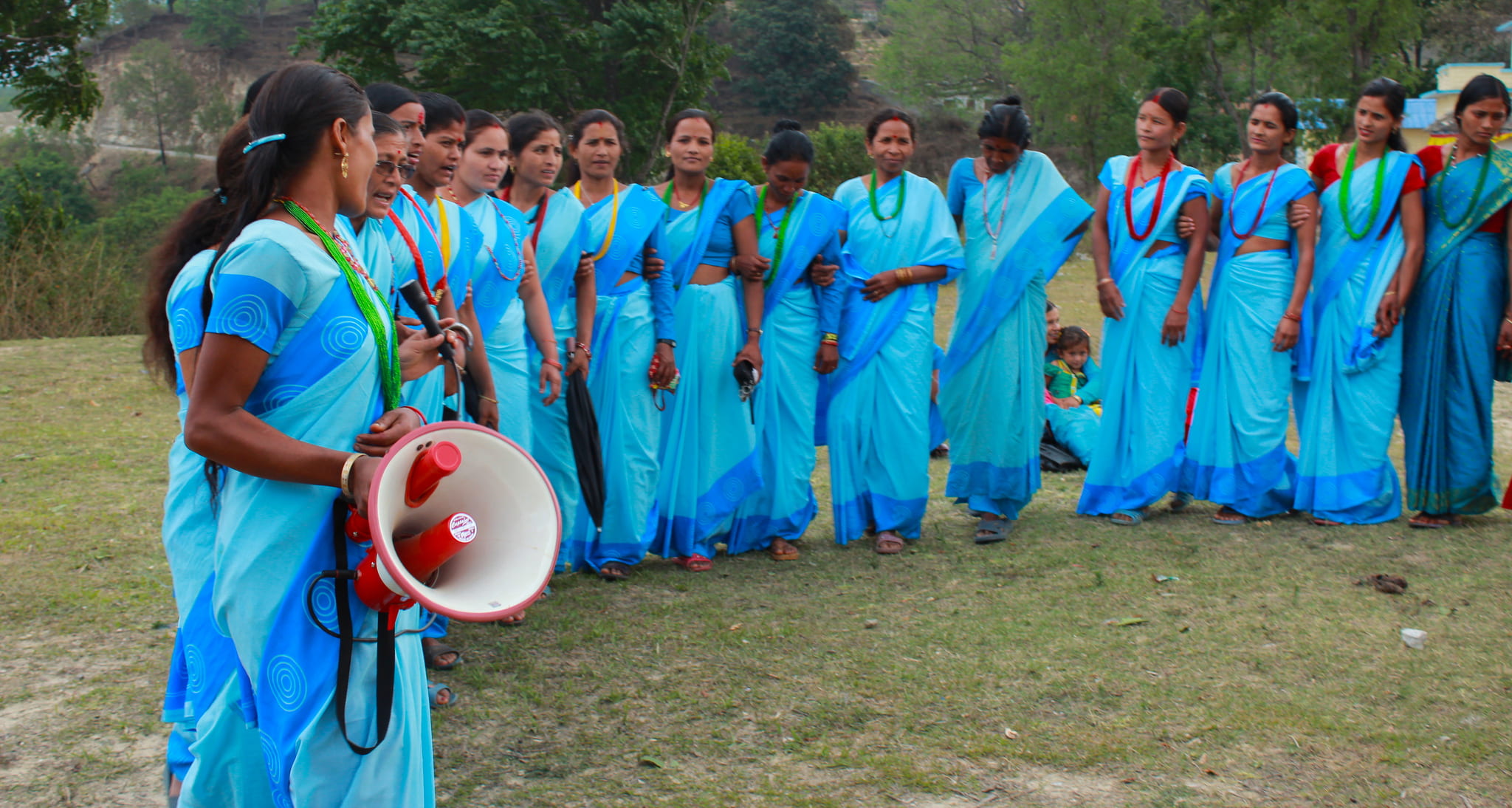
Nyaya Health: A chant and a dance on the practice of Chhaupadi by the CHWLs and FCHVs. Source: Possible: Creative Commons.
Menstruation and birth control.
Discussing these topics sometimes makes people uncomfortable. Why? Society sometimes says that we’re not supposed to talk about what happens down there, that they’re just not proper topics for everyday conversation. Could this discomfort be due to the fact that men have often traditionally served as political leaders, media gatekeepers, and educational instructors? Women’s power, voices, and advancement opportunities have been limited. So have their concerns, even if they’re everyday issues that women have faced since the dawn of time.
Such concerns are extremely important to the survival of our species. Menstruation and birth control are crucial parts of life. Without menstruation and everything that accompanies it, we wouldn’t be here. Depending if people have access to it, birth control is also a factor that can greatly improve or hinder a woman’s quality of life. But, these topics are often taboo. People don’t want to talk about them. People often can’t talk about them or do anything about them. Or, if people talk or act on these topics, they may face stigmas and punishments. Living normally during menstruation and controlling one’s reproductive destiny should be vital human rights everywhere. They’re often not, which has created inconveniences, obstacles, and even tragedy. Luckily, individuals and groups are shedding light on menstruation and birth control and how they impact women and the greater culture.
Menstruation discrimination
Although banned by law, menstruation huts are still a reality in some rural areas of Nepal. They’re part of traditions stating that menstruating women or women who have just given birth are impure or the bearers of bad luck. These beliefs have led people to banish menstruating women to live in huts or cattle sheds, prevent them from touching farm animals, and forbid them from eating certain foods.
Known as chhaupadi, this practice of separating women from the general population puts women at risk. Many of the huts lack heat or bathroom facilities or are far removed from the rest of society. In 2019, a woman and her two children died after they inhaled smoke from a fire inside of this type of hut. A teenager died in 2017 from a snakebite she received while staying in a hut. People who live in such huts may have to travel miles to use toilets, wash, and gather supplies. They cannot attend school and their employment opportunities may be limited.
Under chhaupadi, disadvantaged women face even more obstacles that prevent them from overcoming their disadvantages and improving their lives. They do not have the full measure of human rights that males enjoy, simply because they are menstruating. Similar fears about female impurity have long banned women of menstruating age from the Hindu Sabarimala temple complex in India. As part of a number of protests, two women defied this ban and entered the temple in 2019. Their actions sparked further protests for and against women’s rights in the region and ignited international debate.
Positive period news
In a positive period-related development, access to feminine hygiene products is increasing for many. The states of Illinois, California, and New York provide free sanitary products for their public school students. Educational institutions such as the University of Washington also offer such products and other schools are considering it. These efforts are global. The government of Scotland provides free sanitary products to students who attend schools, colleges, and universities as well as to people who visit leisure centers and libraries. Several states in the United States have also removed the sales tax for such products (the tampon tax) or are considering doing so.
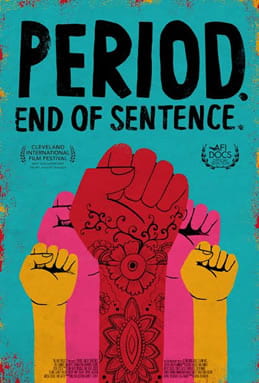
Period. End of Sentence is an Academy Award-winning short documentary that also testifies to the power of proper period care. Directed by Rayka Zehtabchi and produced by Melissa Berton, the film depicts efforts in India to provide sanitary products, end stigma about menstruation, and improve the lives of women and girls. “I can’t believe a film about menstruation just won an Oscar!” said Zehtabchi. The filmmakers acknowledged that Indian initiatives can help girls pursue schooling. “A period should end a sentence, not a girl’s education,” said Berton. Girls in India missed school 20 percent of the time because of menstruation, according to a report by the United States Agency for International Development (USAID). Females who lack sanitary products might use hay, old fabric, rags, or other products during menstruation, which can lead to unsanitary conditions and infections. It could make menstruation more visible and thus subject to scrutiny and stigma, eroding girls’ self-esteem and confidence in their abilities.
Others question whether menstruation really causes girls to leave school but acknowledge that taboos surrounding menstruation do indeed exist. Supporting girls and women is vital. “Providing girls with a product can only get you so far if you don’t have the enabling environment in the school, supportive teachers, and information about what’s happening to your body,” said Columbia University professor Marni Sommer on a National Public Radio interview. Proper period care “is a human right,” noted Sommer. “We shouldn’t have to justify that girls are deserving of an environment where they can just meet their basic bodily needs.”
Destigmatizing menstruation and providing access to menstruation products may create more equality. If women and girls face discrimination and lack essential hygiene products, they may stay home from work, school, civic engagements, and social events. They cannot fully participate in their lives and the lives of others. People who lack sanitary products live lives similar to women who live under the practice of chhaupadi. Just because they menstruate, women and girls affected by both cannot fully engage with the outside world. People are working to highlight and change this.
Source: Creative Commons
The cost of unintended pregnancies
Access to birth control is also an important driver of human rights. Like sanitary products, effective and accessible birth control products provide physical and mental health benefits. Both can be valuable tools for improving and sustaining human rights. Physically, birth control helps women prevent pregnancies. This sounds obvious, but it means so much. Pregnancy and labor take tremendous physical tolls on women. Even after childbirth, breastfeeding mothers’ bodies are not entirely their own, and mothers face the physical and mental strain of raising children and running households.
Mental strain can be considerable for mothers. They are charged with taking care of themselves and their children and completing other tasks, such as working various jobs, helping their families, and fulfilling other responsibilities, not to mention trying to find time to pursue various interests. It can be difficult enough to do those things when they’re deliberate choices when women plan the size of their families. Not having access to birth control makes this precarious juggling act even more difficult. Becoming pregnant unintentionally may impact women’s health since they’re gaining weight, dealing with hormone fluctuations, and experiencing other intense physical changes related to pregnancy. Mentally, they may be facing the stress, anxiety, and depression of unwanted pregnancies and the profound life changes they may create.
Unintentional pregnancies can also burden women and their families financially. Women may take unpaid maternity leaves, turn down promotions or specific positions, or quit their jobs to raise children. They may have to allocate a considerable part of their incomes to pay for childcare. Mothers who re-enter the workplace may not earn the same incomes, have access to the same opportunities, or achieve the same advancements as colleagues who never left the paid workforce. Health and financial issues, unintended pregnancies, and other types of stress can strain women’s relationships with their partners. It could cause women to feel unfulfilled with their lives and feel that they’re not doing all that they want to do because they must fulfill the various responsibilities in their lives.
The worth of birth control
Birth control may shift this balance, helping women do what they want to do instead of what they feel they must do. Access to birth control gives women agency. There are mixed messages about this agency. Just as some higher education institutions are providing sanitary products, some are providing birth control access to their students. Arguably, they’re not providing full access. For example, institutions such as the University of Oregon operate health centers that employ pharmacists who prescribe birth control pills and other forms of contraception. They do so without appointments and charge $15.00 per visit. Not requiring appointments may make it easier for students to visit in spite of busy schedules. Charging $15.00 might make it easier for students for affording such visits. On the other hand, the university isn’t paying for birth control itself. Students must use health insurance or pay out-of-pocket to cover the costs of birth control. This means that people may go without much-needed birth control because they can’t afford it. They may not be able to pay for the $15.00 pharmacist visitation fee or other costs as well.
Sanitary napkins, tampons, birth control pills, and other forms of contraception often aren’t expensive, but the lack of them are. Women who don’t have them may face much more expensive financial, emotional, and physical costs in the future. Providing assistance and access to such items can change an individual woman’s life and transform society as a whole.
About the author: Pamela Zuber is a writer and editor who has written about human rights, health and wellness, business, and gender.
To say American media has struggled in recent decades would be an understatement, but the past weeks of extensive newsroom layoffs cut especially deep. As CNN reported on January 24, from Monday to Thursday of that week, at least 1,000 journalists were laid off nationwide, including 15 percent of BuzzFeed News personnel (approximately 220 individuals), 7 percent of various Verizon-owned entities’ staff (including HuffPost, AOL, and Yahoo News), and widespread cuts at Gannett, America’s largest newspaper owner. At BuzzFeed News alone, the entire national news desk staff was gone by January 25, along with all but one of the LGBT-focused reporters at the company and the national security staff.
That devastating week’s news follows years of similar stories far beyond the present decade’s startups and digital innovators. Last spring, Sridhar Pappu and Jay Stowe of the New York Times provided a concise yet devastating account of the shifting media landscape since the dawn of the twenty-first century, including the collapse of marquee legacy publications like TIME magazine:
When Time Warner merged with AOL in 2000, the company seemed poised to conquer the internet. History, however, had other plans. Subscribers and advertisers turned away from the core publications. Budgets shrank. Layoffs became commonplace. In 2014, Time Inc. was spun off from the Time Warner mother ship, and in 2015 it left the Time & Life building for a comparatively modest space on Liberty Street in Lower Manhattan.
TIME, along with parent company Time Inc.’s other leading magazines, like Sports Illustrated, Fortune, and Money, had been purchased in fall 2017 by media conglomerate Meredith Corp., before putting the Time portfolio up for sale just six months later. Gannett, meanwhile, recently was described as “the most voracious acquirer of local papers in the news business,” publishing national outlets like USA Today and major-market papers “including The Arizona Republic, the Milwaukee Journal Sentinel, and The Cincinnati Enquirer.” Even Gannett is exposed to looming concerns: Alden Global Capital, a New York-based global hedge fund founded in 2007, offered a hostile bid to takeover Gannett for $1.4 billion. As The Weekreported earlier in January,
[The] strategy of buying and cutting [media staff] is exactly the one that Gannett pursued as it grew into the biggest newspaper owner in the country. Alden is following Gannett’s own logic, taken to its furthest extreme. So far, wherever Digital First [Alden’s media subsidiary] has gone, ‘a bevy of job cuts’ has followed. [So, if] Alden succeeds in its bid, it will be a waking nightmare for anyone who cares about newspapers.
Many such stories have wrenched the field of journalism since the 1990s, and one need not look far back into archives to see the expansive damage. The Weekly Standard, a conservative outlet which in its waning months of operation “exhibited a cover-to-cover vibrancy that had eluded it for more than a decade,” was “snuffed” out of existence by owner Phil Anschutz last December; Glamourannounced last November that the 80-year-old print version of the magazine would cease production, “shifting to a digital-only operation” after January 2019; international titles with U.S.-based parent organizations, like men’s magazine ShortList and Cosmopolitan Australia, also closed in 2018. Among America’s local and regional newspapers, the bludgeoning has proved even more draconian: approximately “1,800 local papers have closed or merged since 2004,” according to a 2018 CNN report.
As I wrote late last year, journalism—and journalists, individually—are linked inextricably to human rights concerns, as the “chroniclers” of human rights abuses, making them known to the world, as advocates and agents of human rights causes they cover, and as the targets of increasingly frequent abuses globally. The stunning decline of American news media broadly affects both deep-dive investigative journalism and analysis, along with on-the-ground reporting of current affairs. In so doing, these structural changes to the industry threaten journalism’s integral role in cataloging, reporting, and advancing human rights.
Reading the newspaper. Source: Nicolas Alejandro, Creative Commons
These systemic changes to the news media landscape often have been grouped into two broad categories: the overallconsolidation of American mass media, among other industries, since the end of the twentieth century (a two-timesubject of John Oliver’s Last Week Tonight, back in 2017), and the massive shift to mobile and online-based advertising, where aggregate revenue overwhelmingly is concentrated in leading digital companies like Facebook and Google. According to a 2018 estimate reported in Adweek, those two companies alone account for “around 85 percent of every new digital dollar” entering the mobile and online ad spaces. Facebook in particular already functions “as one of the world’s largest distributors of information,” a reality it “acknowledged” in early 2017 “by announcing the Facebook Journalism Project.” The Project “calls for the company to forge deeper ties with publishers,” to help “develop training programs and tools for journalists,” and to “help train members of the public to find news sources they trust, while fighting the spread of fake news across its site.” While Facebook had met with thousands of publishers by mid-year 2017; actual financial support, i.e., the transfer of advertising revenue streams or any other profit-generating opportunities, remain illusory, and outside the scope of Facebook’s efforts.
Clearly, American mass media faces several structural challenges, but why is any of this relevant for human rights-related concerns? Why is the labor crisis in journalism a human rights concern unto itself? The effects are manifold. First, media consolidation has been found to affect the “viewpoint diversity” of media broadly – meaning, consolidation might restrain the variety of views and issues covered in papers and online outlets. As early as 1999, the late Senator Paul Wellstone (D-MN) wrote about his concerns about the early stages of media consolidation as a threat to American democracy. In a Federal Communications Law Journalarticle, Sen. Wellstone expressed grave concerns about a then-pending merger of CBS and Viacom, among a “recent wave of mergers among media companies,” all of which might pose threats “for our representative democracy” and accordingly “warrant the highest level of scrutiny by … antitrust agencies” (p. 551). The Senator continued, presciently arguing that America’s media is not just any ordinary industry. It is the life-blood of American democracy. We depend on the media for the free flow of information that enables citizens to participate in the democratic process. As James Madison wrote in 1822, ‘A popular government without popular information, or the means of acquiring it, is but a prologue to a farce or a tragedy, or perhaps both.’ That’s why freedom of the press is enshrined in our Constitution. No other industry enjoys that kind of protection (p. 551-552).
Speaking of the media’s macro-role, Sen. Wellstone concluded that, for America’s “democracy to work, we depend on the media to do two things. We depend on them to provide citizens with access to a wide and diverse range of opinions, analyses, and perspectives” and, second, “we depend on the media to hold concentrated power—whether public or private power—accountable to the people” (p. 552). Thus, “greater diversity of ownership and control” confers superior ability among journalists “to perform those functions” which are so vital. The empirical record for that proposition, admittedly, is mixed – as a 2009 study by Daniel E. Ho and Kevin M. Quinn in the Stanford Law Review found twenty years after Sen. Wellstone’s article was published. (The question remains an open, hotly debated one, nonetheless, especially among legal scholars.)
Regardless of consolidation’s effects on viewpoints in journalism, the effects on reporters’ professional capabilities—to fulfill the democratic functions outlined by Sen. Wellstone and to highlight, in particular, human rights stories at home and around the world—are less ambiguous. On the one hand, the renewed implosion of the field has exposed journalists to protracted, targeted, organized abuse online, especially through social media attacks, which journalists have used to share job opportunities and freelance gigs during the cycles of layoffs, and just as often to providesupport to or commiserate with former colleagues and other industry peers. As writer and journalist Maya Kosoff put it in a January 29 tweet, she was “overwhelmed by how helpful and supportive people have been [through Twitter] over the past week” of layoffs, and dedicated to finding ways “to pay it forward” to others in the field.
For present purposes, worries run deeper. As writer Rebecca Traister put it in a reflective tweet amid the layoff chaos in late January, it is difficult to “fathom the number of talented journalists being taken away from the work they were in the midst of doing this week. This is a travesty” – and a harbinger of what is to come in the event of further consolidations and layoffs. To take just one example, BuzzFeed News reporter Mike Giglio—among those who were laid off last month—produced extensive, in-depth stories during his more than five years with the company. His reporting on U.S. involvement in Syria regularly touched upon the complexities of both foreign policy stratagem and the dire concerns of civilians exposed to human rights abuses. Last fall, Mr. Giglio perceptively deconstructed the geopolitical morass of the Jamal Khashoggi killing, accounting for the crosscutting interests of Turkey, Iran, Saudi Arabia, and the U.S. with deeply reported interviews and analysis.
After the BuzzFeed News desk was effectively “demolished,” dozens of talented reporters and writers like Giglio are now forced into an unforgiving job market, sitting on dormant stories and leads. Similar stories at the abovementioned outlets reeling from layoffs—from HuffPo to AOL, Gannett to the more-recent purges at McClatchy—abound. The gutting of newsrooms around America is a profound pain for writers and their families, personally. But the ongoing thinning of journalism’s most-talented ranks undermines the whole public’s access to vital information needed to hold human rights abusers to account as well. The stakes are high.
Peru. Women in the Colca valley. Source: Pedro Szekely, Creative Commons
Today is International Women’s Day. This year’s theme is “Think Equal, Build Smart, Innovate for Change.” In her context statement about the theme, UN Women Executive Director Phumzile Mlambo-Ngcuka states that the changing world continues to shape the lives of people and “we have to be intentional about its use to positively impact the lives of women and girls. [The theme] puts innovation at the centre of efforts to reflect the needs and viewpoints of women and girls and to resolve barriers to public services and opportunities.” Innovation highlights the game-changers and activists willing to “accelerate progress for gender equality, encourage investment in gender-responsive social systems, and build services and infrastructure that meet the needs of women and girls.” The goal of today is to celebrate the incredible achievements of women and girls who seek to overcome their marginalized status in their communities, level the representation across various academic disciplines and professional fields and undo the cycles of intersectional injustices to bring about a more equitable world.
History
What started as a response to a women’s labor strike in New York 1909 became an international movement to honor the rights of women and to garner support for universal women’s suffrage. In 1913-14, International Women’s Day was a tactic to protest World War I as a part of the peace movement. The UN adopted 8 March as the official date in 1975 during the International Year of Women. Gender equality and the empowerment of all women and girls is Sustainable Development Goal #5 in 2015.
Celebrating some game-changers and activists
The list below is not extensive. Its purpose is to assist you in your search to discover and know what women are doing and have done around the world.
Kiara Nirghin: Won Google Science Fair for creating an orange and avocado peel mixture to fight against drought conditions around the world. She will join Secretary-General António Guterres.
Elizabeth Hausler: Founder of BuildChange.org, an organization that trains builders, homeowners, and governments to build disaster-resistant homes in nations often affected by earthquakes and typhoons.
Jaha Dujureh: Founder of SafeHandsforGirls.org, an organization fighting to end child marriage and female genital mutilation (FGM).
BlackGirlsCode.com: A San Francisco based organization seeking to increase the number of girls from marginalized communities in STEM fields by 2040.
Shakhodat Teshebayeva: When the water crisis threatened her livelihood, she organized and mobilized a women’s group to advocate for a place for women at the discussion table regarding equal access to water.
Wangari Maathai: late Nobel Peace Prize Laureate from Kenya who initiated the GreenBeltMovement.org by planting trees for the cultivation of sustainable development and peace.
Una Mulale: the only pediatric critical care doctor in Botswana who works to combine medicine and art to bring healing to the body and the soul.
The Ladypad Project
This coming week, Dr. Tina Kempin Reuter and Dr. Stacy Moak will take 12 UAB students to the Maasai Mara in Kenya. The team, in collaboration with the I See Maasai Development Initiative, will fund education on women’s health rights and provide 1500 girls with materials, including underwear and reusable pads, for menstrual hygiene management. The project was awarded a grant through Birmingham’s Independent Presbyterian Church Foundation.
Continuing the Fight
International Women’s Day is not only about celebrating the accomplishments of women and girls, but it is also about shining a light on the continuing injustices faced by more than half of the world’s population. From femicide and early marriage to FGM and sexual violence and exclusion from peace talks, gender inequity discounts the contribution of women and girls to the overall value of humanity. Kofi Annan, the late UN Secretary-General, posited that the empowerment of women proves more effective than any other tool for development. Noeleen Heyzer concludes that although there are women’s issues and rights still to be raised and respected, including those outlined in the Convention on the Elimination of All Forms of Discrimination Against Women, there are many that we must continue to protect. March is Women’s History Month and our contributors will write about issues that continue to impact the lives of women and girls around the world.
Being sick or struggling with a chronic medical condition can harm health, emotions, and finances. Sickness can hurt various aspects of a person’s life and impact society as well. It causes people to miss days of work. It creates financial costs if people have to cover medical expenses for uninsured people. Isn’t it better to help treat and prevent illness in the first place? One would think so, although some people don’t believe that health care is a fundamental right. But, restoring and maintaining health improves the quality of life and so much more. Ensuring proper health care can produce a healthier, happier, and more productive society.
What are some federal government attitudes about health care?
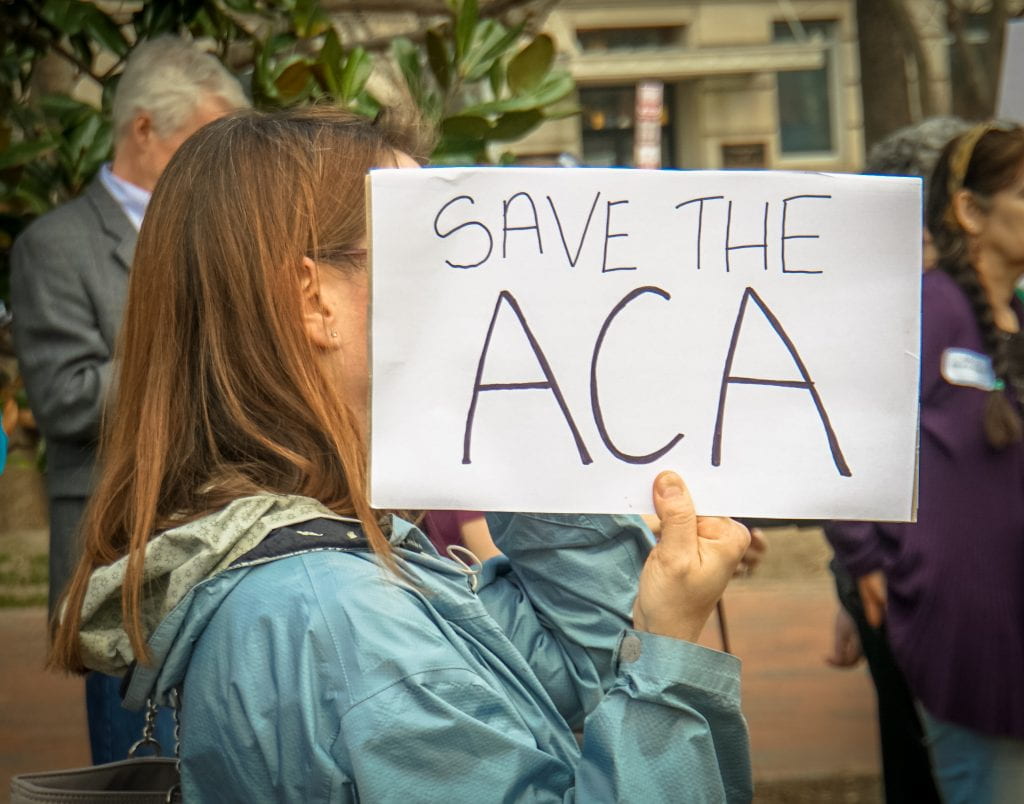
Attitudes about health care are different in different areas. There are many diverse opinions and proposed solutions regarding health care in just the United States alone. The Patient Protection and Affordable Care Act (also known as the Affordable Care Act, the ACA, and Obamacare) represents a microcosm of this diversity. Although it became law in 2010, the Affordable Care Act has garnered considerable controversy before its creation and continues to generate controversy after its passage. Much of this controversy has coalesced around party affiliations. Some members of the Republican Party have decried the ACA a form of socialism because it’s a federal government program that works with state government programs. In this view, the ACA is un-American because other countries sponsor their own state-funded health care programs.
While not a socialist state, Canada is one such country. According to a Canadian federal government website, “Canada’s publicly funded health care system is best described as an interlocking set of ten provincial and three territorial health systems. Known to Canadians as ‘medicare,’ the system provides access to a broad range of health services.” Canada’s federal government funds, administers and sets policies for this system under legislation known as the Canada Health Act (CHA). The goal of the CHA is “to protect, promote and restore the physical and mental well-being of residents of Canada and to facilitate reasonable access to health services without financial or other barriers,” according to the Government of Canada. The CHA thus features complex interactions between federal and provincial governments and the Canadian health care system. This is reminiscent of how the U.S. federal government administers and funds government programs in U.S. states as part of the Affordable Care Act.
How is New York approaching health care?
Federal governments aren’t the only government bodies that feel strongly about health care. In January 2019, the administration of New York, New York mayor Bill de Blasio announced that the city would offer health care for uninsured residents. City residents would pay for health services on a sliding scale. Known as NYC Care, the initiative would provide mental health care and substance abuse care. “We recognized that obviously health care is not just in theory a right,” de Blasio said. “We have to make it in practice a right.” “Health care is a right, not a privilege reserved for those who can afford it,” stated the mayor. “While the federal government works to gut health care for millions of Americans, New York City is leading the way by guaranteeing that every New Yorker has access to quality, comprehensive access to care, regardless of immigration status or their ability to pay.”
Stories about the de Blasio proposal highlighted that this health care would be available to all New Yorkers, even undocumented immigrants. This proposal occurred at a time when immigration was a hotly contested topic. In fact, immigration was so contested that the topic helped spark a partial shutdown of the U.S. federal government in December 2018 and January 2019 because of debate over funding for a wall between the United States and Mexico to prevent illegal immigration. The de Blasio administration’s decision to fund health care for undocumented immigrants reflected the view that health care should be universally accessible to all, regardless of financial cost or political repercussions. In this view, health care is a human right and the right thing to do.
Why is healthcare a right?
Health care is a human right in part because health – or more accurately, bad health – can permeate every area of a person’s life. It can even have repercussions far beyond a single individual. Say a person is struggling with depression. Depression is a mental illness. It’s also physical one since depression can cause pain, other physical symptoms, or conditions such as substance abuse. (Pain and other conditions can cause depression as well, which underscores the importance of treating mental and physical illnesses so they don’t influence each other.) Depression is more than mental and physical pain. It can wreak havoc on other areas of people’s lives. For example, conditions such as depression may prevent people from going to work. If people take frequent absences, their coworkers may have to perform work extra work to compensate for their absent coworkers. Or, taking frequent absences could lead depressed people to lose their jobs. Losing their livelihoods means people may have trouble paying for food and shelter. People without jobs may not be able to support their families. People who are depressed may lack the physical and mental energy to attend parent-teacher organization meetings, to vote, to run for office, to manage their lives, or to contribute to the lives of others. They can’t fully exercise their human rights because they’re struggling to meet their basic needs. Basic access to mental health care could prevent these struggles and ensure basic rights.
What is the status of current health care initiatives?
It’s clear that spending a little money early may prevent future health problems (and possibly save money) in the long run. But, it appears that some entities don’t want to spend money on such purposes. Others have reluctantly, grudgingly accepted health care initiatives. In 2017, the U.S. Congress passed the American Health Care Act (AHCA). This legislation would have prevented Medicare expansion and other aspects of Medicare funding and would have reduced taxes for some insurers and higher income people. The legislation never took effect, so the ACA remained intact. Commentators have noted that despite efforts to reverse the Affordable Care Act, the ACA is “gaining in popularity – despite the repeal-and-replace rhetoric Trump and fellow Republicans have voiced for years.” The commentators note that politicians realize this and are using the increasing acceptance of the program to bolster their own political fortunes. They recognize that gutting a popular program could hurt their own popularity. The administration of U.S. president Donald Trump issued rules regarding the implementation of health care programs in U.S. states in 2018, for example. This acknowledged that the programs exist, serve many people, and are well-liked and well-used by voters who could determine the political future of the administration and its members. The administration’s rules vividly illustrated the old adage, “If you can’t beat ‘em, join ‘em.”
What is the future of health care?
The future of universal health care is uncertain. On one hand, the Affordable Care Act continues. Conservative administrations and everyday voters have acknowledged the ACA and support it to various degrees. There is still considerable pushback to the ACA and similar initiatives, however. Not surprisingly, some of this pushback is from entities that could be affected by universal health care plans or other health care reforms. Private insurance companies often oppose universal health care reforms because they could affect their profits. The companies and other free-market supporters say that universal health care and other reforms are a direct rebuke to capitalism and the practice of small government. The Partnership for America’s Health Care Future is one such opponent. This organization includes a number of private insurance companies and health-related entities. Interestingly, though, it also includes a number of politicians from the Democratic Party and people affiliated with the party, such as workers from the presidential administrations of Bill Clinton and Barack Obama.
On the other hand, this organization is operating at a time when other Democrats are criticizing their fellow party members for not being progressive enough. A number of Democratic candidates running for the U.S. Congress in 2018 supported a single-payer health care system known popularly as Medicare for All to replace private health insurance. A Reuters poll in that same year reported that growing numbers of voters affiliated with both the Democratic and Republican parties also favored Medicare for All-type policies. A growing number of people and some politicians support universal health care. Other politicians and private corporations don’t. Given the increasingly divided political climate, it’s uncertain whether we’ll reach workable decisions about health care any time soon. But, given the far-reaching impact that good health can provide, aren’t they worth a try?
Pamela Zuber is a writer and an editor who has written about human rights, health and wellness, business, and gender.
On Wednesday, February 13th, the Institute for Human Rights co-sponsored an event alongside UAB’s Department of English and the Jemison Visiting Professorship in the Humanities about the legacy of civil rights activist Reverend Charles Billups. The lecture was led by civil rights scholar Dr. Keith Miller (Arizona State University) then followed with a conversation from Billups’ daughter, Rene Billups Baker.
Charles Billups’ was a pastor at New Pilgrim Baptist Church in (Birmingham, Alabama) and one the founders of the Alabama Christian Movement for Human Rights (ACMHR), a faith-based organization addressing civil rights from 1956-1969. Members of ACMHR would meet every Monday night to coordinate boycotts and lawsuits relating to segregation. Billups was a friend of fellow ACMHR member and civil rights icon Reverend Fred Shuttlesworth and was the first person on the scene after Shuttlesworth’s house was bombed. Shuttlesworth would also be the one to drive Billups to the hospital after he was beaten by members of the Ku Klux Klan.
With the civil rights movement facing discouragement nationwide, Billups was chosen by the ACMHR to lead the 1963 Children’s Crusade in Birmingham because he attended all their strategy sessions. During the demonstration, local law enforcement warned demonstrators that if they were to not back down, they would turn the dogs and fire hoses loose. Matching their physical force with the soulful force of civil rights activism, Billups taunted these threats and, as fate would have it, firefighters refused to spray the demonstrators. As a result, the Children’s Crusade, and the larger Birmingham Campaign, become a model for non-violent direct-action protest and overall success for the civil rights movement.
The Salute to the Foot Soldiers (1995), Kelly Ingram Park, Birmingham, AL, USA. Source: Steve Minor, Creative Commons
As a result, this moment had arguably turned to the tide for the Civil Rights Movement, grabbing national attention from the New York Times and galvanizing organizers nationwide. The next year, President Lyndon B. Johnson signed the Civil Rights Act of 1964 which put a legal halt to racial discrimination in educational, employment, and public institutions. Years later, per Martin Luther King, Jr.’s request, Billups would move to Chicago, only to be murdered by an unknown gunman in November 1968; according to Baker, the police didn’t investigate her father’s murder.
After her father’s death, Baker claimed she was angry with the world as well as God; all Baker wanted back was her father. For years, she didn’t even like to murmur the words or discuss “civil rights”. However, through the years, she has learned to forgive and wants younger generations, such as her nieces, to know about her father’s pivotal role in the Civil Rights Movement. With a greater appreciation for her father’s perseverance and sacrifice, Baker closed by saying that he, MLK, Jr., and Shuttlesworth are all smiling down on her agreeing, “She’s alright now”.
Baker’s book, My Life with Charles Billups and Martin Luther King: Trauma and the Civil Rights Movement, can be purchased here.
2 tax return forms, a 2018 tax return form and 2017 tax return form, black glasses and a calculator. Source: DPP Business And Tax https://www.dpp-businesstax.com/, Creative Commons
For most adults in the United States, the year starts with the tax season. During this time, they have their tax returns prepared and filed and either pay any taxes they owe or receive a refund if they overpaid their taxes throughout the prior year. This year, the tax season began on January 28 and continues until April 15. There are a few different ways one can go about filing their tax return. One way is to purchase an IRS-approved tax preparation software, like TurboTax or TaxSlayer, and file their return on their own. One could also prepare their return manually, but the IRS prefers that people file electronically to decrease potential errors. The last method is to seek out the help of a professional through a commercial tax preparation organization or a non-profit one. Commercial organizations often take advantage of the low-income filers whose returns they prepare and who often qualify for the Earned Income Tax Credit, which results in a larger refund.
In order to increase their profit, they put a great deal of effort into publicizing their services in a way that overshadows the far less expensive, sometimes even free, methods of filing tax returns. Paul Weinstein, who co-authored a study on tax preparers with the Brookings Institution and the Progressive Policy Institute, suggests that most taxpayers could “have their taxes prepared for less than $100.” According to Weinstein, tax-filers spend an average of $275 on the preparation of their taxes during the filing season. The authors of the study found that individuals filing for the EITC spent $309 in Washington D.C. and $509 in Baltimore. This means that these individuals were spending between 13 and 21 percent of their return to cover the cost of tax-preparation.
There has also been evidence that suggests that individuals who qualify for the EITC and file through professional tax-preparers are more likely to have errors in their tax return than those who do not qualify for the EITC. According to an investigation by the Government Accountability Office in 2015, about 60% of all professionally prepared taxes had errors, while between 89% and 94% of filers who qualified for the EITC had errors in their professionally prepared taxes. This is a problem of significant concern, since people with low incomes are more likely to be audited by the IRS. For people who receive the EITC, this could result in their refund being withheld until the end of the auditing process.
Predatory tax-prep organizations may often go unnoticed, but many are recognized and forced to face the legal repercussions of their actions. For example, Laquinta Q. Fisher of Lawton, Oklahoma was found guilty of a tax fraud scheme on January 24, 2017. After lying to her clients and telling them that they could receive a refund for simply having a dependent child, she added fake income and fake dependents to their returns to increase their EIC. She “was sentenced to 18 months in prison, three years of supervised release, and ordered to pay $133,955 in restitution to the IRS…”
Earned income tax credit stock photo. Source: Simon Cunningham, Creative Commons
It is also possible that such an organization would have false credentials. Every tax preparer is legally required to have a Preparer Tax Identification Number (PTIN). The IRS has a directory of PTINs that can be used to look up a preparer with their name and location. The PTIN can tell you if the preparer is “a certified public accountant, enrolled agent or a lawyer.” It is also important to note that the directory does not prove that a preparer is qualified. It is also a red flag if an organization suggests that they are endorsed by the IRS, as the IRS does not endorse any tax preparers.
Another warning sign is if a preparer does their work in “temporary pop-up shops” that will be gone after the tax season ends. In that case, there is no office for you to go to if any problems arise with your tax return. It is a red flag if the preparer says that they will deposit you refunded into their bank account or asks you to sign a return that is incomplete.
Why IsThis A Human Rights Issue?
In addition to being ethically questionable, the actions of commercial organizations that prey on low-income households also have the potential to negatively impact people’s access to their human rights. For many people who are targeted by these organizations, every single dollar counts. Every penny of the tax refund they receive is used to pay for the necessities, like food, water, power, rent, and clothing. According to Article 25 of the United Nations’ Universal Declaration of Human Rights, “Everyone has the right to a standard of living adequate for the health and well-being of himself and of his family, including food, clothing, housing and medical care and necessary social services…” Many households rely on the refund they receive to access this right. It is important that we spread awareness of this issue so we can prevent as many people as possible from being exploited by tax-prep organizations and connect them with the resources they need.
Impact America: SaveFirst
Impact America, originally Impact Alabama, is a non-profit organization that was founded to develop “substantive service-learning and leadership development projects for college students and recent college graduates.”SaveFirst is one of Impact America’s programs, which provides free tax preparation services in communities which are often targeted by predatory tax-prep organizations. College students who volunteer with SaveFirst are trained and IRS certified to prepare tax returns. In 2018 alone, SaveFirst was able to prepare tax returns for 13,713 families and saved those families $5.5 million in fees. Since 2007, they have prepared returns for 76,867 families and saved them $26.2 million. The work done by Impact America helps to decrease the number of people that are being exploited by predatory organizations by giving them access to much better resources and services.
If you are interested in scheduling an appointment with SaveFirst at one of their many tax-prep locations, you can do so here.
This book review was originally published in the Vulcan Historical Review, Fall 2018.
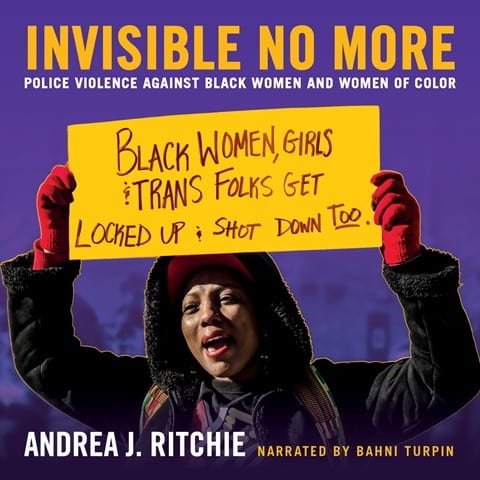
Andrea J. Ritchie is a lawyer and activist. She writes Invisible No More “as an act of love, of mourning, of honoring, of commemoration, of liberation, as a contribution to our shared struggles, wrestling with the meanings of Blackness, privilege, solidarity, and co-struggling; of ‘survivor’ and ‘ally’” (5) for and from the community of which she is a member (11). The goal of Invisible No More is to establish recognition of the police brutality against women of color (us). She accomplishes this in several ways throughout this book. First, this book brings personal stories to the center and into focus by identifying the differences and commonalities among women of color. Second, it explores the various forms of police violence, as well as how race, gender, sexual orientation and ability to influence the action/expression of police violence. Third, it identifies patterns and paradigms within the controlling narratives which are rooted in colonialism, slavery, and structural violence. Lastly, it invites a discourse on aspects of the mass incarceration system previously invisible, including profiling and police brutality against women of color.
The book’s layout consists of eight chapters (2-9) that highlight various areas and interactions of police with women of color. Each chapter concludes with a resistance subsection wherein details of individual and collective resistance to the policing of gender takes a variety of forms at the local and national level (139). Ritchie bookends chapters 2-9 with chapter one, “Enduring Legacies” and chapter ten, “Resistance.” Within the pages, Ritchie questions the societal demand upon police for prevention of and response to violence while also challenging their contribution to the violence. Additionally, she ponders, “what would it mean to build structures and strategies beyond police that will produce genuine safety for women of color, especially in hostile terrain.” (18) She suggests that placing Black women and women of color at the center of the conversation shifts demands, analysis, and approaches (17).
Chapter 1 outlines the historical record of violence against women of color, inclusive of Indigenous women, by highlighting a portion of the controlling narratives. Colonization brought about the desecration and extermination of Indigenous identity and humanity. Sexual violence was a primary weapon. Ritchie introduces the concept of “the myth of absence” as a collective reductionist method. Employing the myth of absence allows for the normalization of invisibility under the guise of colonial establishment. This myth applies to both land and sea.
Masters of the enslaved utilized motherhood as an instrument of punishment under the oppressiveness of slavery. There was no shadow of law, so Black women became property, and with this new “label” came the disassociation their gendered status. This disassociation with womanhood dislodged the perception of femininity as well. “This system of constructed categorizations of Black women’s behavior and possibilities for existence persist to this present day… such narratives [mammy, Jezebel, subservience, tolerant, pain intolerant] inform police perceptions of what conduct is appropriate and permissible toward Black women.” (35)
The government positions immigrant women as a “control apparatus… for the regulation of sexual norms, identities and behaviors.” (37) This control functions as both a mode of discipline and a measurement of their suitability to contribute to the overall national identity (38). Stereotyped and prejudged, immigrants and queer/trans women extend beyond the normalized border standard of hetero, cis, white, etc. In other words, non-white women—whether with attitude, dress, and sexuality, size and skin tone—represent a deviation from the norm. To correct the “deviation,” a pattern of law enforcement arises to “structure and reinforce…perceptions” (41).
Chapters 2-9 describes the patterns of law enforcement applied to women of color. A summarization to the roots of the enforcement patterns comes from Arizona State University professor, Ersula Ore: “This entire thing has been about your lack of respect for me.” (58) The chapters expose how police, with impunity, make gender (for cis and/or queer/trans women) a sociopolitical site (139) of human rights abuses and violations as they view the bodies of girls and women of color as threats in public and private spaces (145). The gendered degradation and disposability of Black women (51-2) and the deep devaluation of motherhood and life for women of color (170) are merely two identifiable threads in the fabric of sexual violence within the police system (105).
Chapters 3 and 4 confirm that police brutality against women of color, includes minors and persons with disabilities. There is no escape from the profane overreaction of those “who make the rules up as they go along and often enforce them in deeply racialized ways” (75). In chapter 3, Ritchie builds upon the works of Monique W. Morris and bell hooks. They agree that schools—sites for the profound regulation and punishment of Black femininity– institute zero-tolerance policies and exact an “oppositional gaze” applicable disproportionally to girls of color, who are disrupting the peace or engaging in disorderly conduct by “having the audacity to demand to be treated with dignity” (73-8). Morris introduces age compression as a weapon in the arsenal that schools and law enforcement use against girls of color. Age compression is the inability to see children of color as children, because of this, they are handled and treated like adults of color (78). In chapter 4, with each incident involving police and women with a disability or mental health disorder, the women are either injured or killed. Thus, in both instances, the failure to respond appropriately due to the misapplication of stereotypes escalates but does not resolve situations.
Chapter 10 provides an extended culmination of the resistance subsections introduced in chapters 2-9. This chapter seeks to outline critical ways community activists and organizers, alongside survivors and the families of the victims, are turning violations into victories by piercing the bubble of silence. Ritchie repeats the underlying question of “what would freedom from fear look like for girls and women of color” while reminding the reader of the need to continually speak truth to power. Resistance, like violence, exists within the sociopolitical site of the body (139). Resistance draws those subjected to the margins by anti-police violence and feminist movements, back in and towards the center with the understanding that police are necessary for social order (205-7). However, the perpetuation of violence and the invisibility of that occurs during and after, can no longer remain in the shadows (206). Resistance reinstitutes the tradition of truth-telling through the reclaiming of bodies and humanity.
Two key strengths of this book are the inclusion of Ritchie’s personal experience and investment, and her purposeful build upon the works of Angela Y. Davis, Danielle McGuire, Beth Richie, Monique Morris, bell hooks, etc. By incorporating the works of other female activists/scholars who posit and bring a different angle to this issue, this book makes a significant contribution to recovering the missing female narrative within the mass incarceration canon and the US gender relations discourse. This is a huge plus for this book as “women of color” includes every non-white category and encompasses the fluidity of the gender/sexuality spectrum. Ritchie does not shy away from her critique of the embedded racial and gender bias within the American social system. Her frankness adds a crucial element to discussions on interracial relations and intra-racial relations.
Invisible No More: Police Violence Against Black Women and Women of Color is an off the beaten path collection of domestic violence and terror stories against humans being of color. It is difficult to read which, frankly, deserves a trigger warning. By reading this book, one begins to understand both the complexity and the root of Kaepernick’s protest, the demands of justice for women like Sandra Bland, Chikesia Clemons, and Deborah Danner, and the mindfulness of young girls like Naomi Wadler. It is a stark reminder that there is a notably, significant difference in the treatment of whites and non-whites by law enforcement, and if you are not outraged, you are not paying attention.
The ability to be rewarded for making meaningful contributions to society and to choose our own private residence are two facets of life many of us often take for granted. However, many individuals with a form of disability often encounter barriers during their journey locating work and housing. These barriers can arise from social isolation, discriminatory and / or inadequate governmental policies, economic hardship, or simply a lack of awareness of resources designed to aid persons with disabilities to find employment and housing. These material and immaterial barriers fall under the broad umbrella ofableism, defined here as “the intentional or unintentional discrimination or oppression of individuals with disabilities”. The following post explores four case studies surrounding the themes of housing and employment and how various cultures have either failed to address these needs or offered innovative solutions to persons with disabilities. Finally, for the purpose of this blog,disability is defined, in accordance with the Washington Group (2018), as “problems, such as impairment, activity limitation or participation restrictions that include the negative aspects of functioning” in the following six domains: (a) walking; (b) seeing; (c) hearing; (d) cognition; (e) self-care; and (f) communication. This blog post offers an anthropologically-informed context for to upcoming panel ‘Disability Rights, Employment, and Housing in a Cross-Cultural Perspective’at the Institute for Human Right’s Symposium on Disability Rights.
Disability Rights & Employment: South Africa
South Africa’s government of apartheid came to power in 1948 and institutionalized a cultural and political zeitgeist of xenophobia, discrimination, and violence towards the Other. Throughout apartheid’s hold on South Africa, systems of cultural and structural violence were erected both within social life and in bureaucratic policy. Apartheid is most infamous for its impact on racially-motivated violence; however, other forms of discrimination were enabled by apartheid policy and philosophy as well. Engelbrecht (2006) notes that education systems institutionalized apartheid policies in curricula development and inclusivity within schools. This specifically barred children with disabilities from actively participating in the education system, from primary through tertiary levels. Englebrecht (2006) contends children with disabilities were actively excluded from South African governmentally-controlled education systems. This means children with disabilities during the apartheid regime did not receive adequate preparation for entering into the workforce, thus placing these individuals at a low ‘tract’ and preventing them from seeking or acquiring meaningful employment. Englebrecht (2006) emphasizes that discriminatory and / or prejudicial national policies focused on one marginalized population (e.g. apartheid) often seep into the experiences of other marginalized populations as well. In short, government-sanctioned racist policies immobilized the disability community. To repress one group is to repress all groups.
The South African Human Rights Commission (SAHRC) was inaugurated in October of 1995, as mandated by the South African Constitution’s Human Rights Commission of 1994. The SAHRC is charged with monitoring, preventing violations of, and educating the public about human rights within the South African context. A specific function of the SAHRC is to examine how apartheid-era policies impacted South African civil society and how to eliminate the vestiges of structural violence still propagated by the former apartheid regime. The SAHRC provides further evidence supporting Engelbrecht’s (2006) theory that the repression of children with disabilities would negatively impact South African workforce. The SAHRC (2017) summarizes trends of disability employment, demonstrating that workforce equity (equally considering and making efforts to hire marginalized populations, such as the disability community) is nowhere near the South African Department of Labor’s goal of 7% by the year 2030. In 2017, workplace equity was still under 2%, with 8 in 10 persons with disabilities unable to find employment (SAHRC, 2017). A variety of reasons are given for this abysmally low number, including: lack of reasonable accommodation, inequality and discrimination, and a persistent inability to obtain a quality education. The ghost of apartheid, it seems, haunts the disability community within South Africa, preventing a vast majority of persons with disabilities from obtaining education, training, and gainful employment.
“Dublin – The Big Snow of 2010 – Along the Liffey” by William Murphy, Creative Commons
Disability Rights & Employment: Ireland
In 2017, the British Conservative government announced plans to cut the Employment and Support Allowance for persons with disabilities who were deemed ‘capable of preparing to return to work’ by 30£ / week (~$40 / week). The British government implemented this policy as a ‘motivational tool’ for persons with disabilities and as an austerity measure, despite the fact that previous disability allowances (akin to welfare or social security measures in the United States) left 1/3 of allowance recipients struggling to afford food. However, the ministers of Ireland, taking cue from their outraged constituents, have chosen a different path to empower persons with disabilities to find employment. Instead of the ‘pull yourself up by the bootstraps’ strategy of British Conservative MPs, Irish Minister for Social Protection Regina Doherty and Minister of State for People with Disabilities Finian McGrath have chosen to listen to persons with disabilities themselves to assess the best way to promote gainful employment within the disability community. In response to a 2017 policy brief Make Work Pay, Doherty, McGrath, and other policy-makers are distributing questionnaires to adults with disabilities and parents of young children with disabilities to assess the employment needs of the disability community (Clougherty, 2017). This approach to governance, one defined by inclusivity and direct participation of the disability community, shows promise in exploring the complicated relationship between disability and employment.
Of particular importance in the employment-disability nexus is accounting for an individual’s preference for work and her or his form of disability. The Irish ministers understand that low-functioning persons with disabilities will, for the entirety of their life, be simply unable to work. These individuals require assistance from the government thereby ensuring these persons are included in society and are able to participate in decisions regarding their lives and livelihoods. On the other hand, some individuals are temporarily disabled and do not require the same social security from governments. By asking for input from persons with disabilities themselves, the Irish policy-makers are better equipped to make educated, inclusive, and effective policies and programs aimed at insuring equitable and equal employment within the disability community.
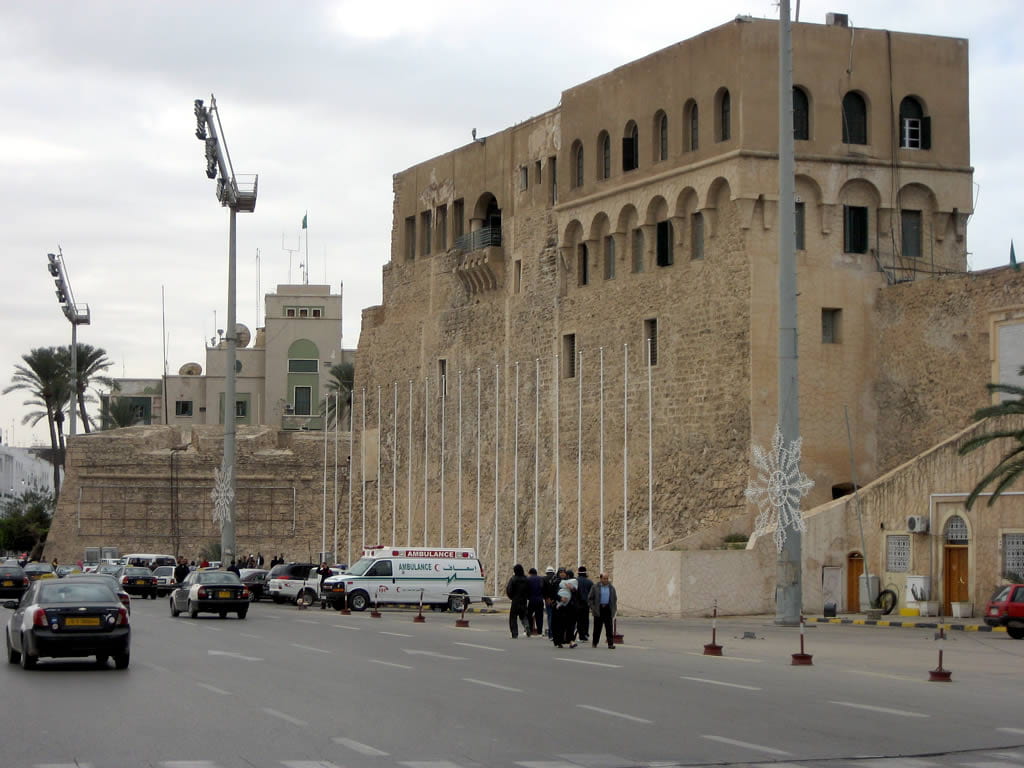
“Al-Saraya al-Hamra Fortress, Tripoli” by David Stanley, Creative Commons
Disability Rights & Housing: Libya
The State of Libya, located at the Northern-most tip of Africa and bordered by the Mediterranean Sea, is in the midst of rebuilding civil society following the catastrophic Libyan Civil War of 2011. For over forty years, Muammar Gaddafi ruled over Libya, attempting to introduce a socialist regime and command economy to the Libyan State. During his reign, Gaddafi allegedly sought to implement a political philosophy of jamahiriya(جماهيرية), meaning “state of the masses” in Arabic – akin to ‘direct democracy’. Through this system, Gaddafi created the national General People’s Congress, whose directives (including any form of a Libyan Constitution) could be superseded by the Basic People’s Congress, municipally-led executive and legislative bodies. Hypothetically, this system placed most political power at the local level; however, Gaddafi’s actual dictatorial rule inverted the political equation. In the past half century, this political system (again, on paper) aimed to enshrine the rights of persons with disabilities through the passage of the 1981 “Law on Disabled People”, arranging for “government provision of housing, home care, education, prosthetic limbs and rehabilitation for people with disability in Libya” (Hamed el-Sahly & Cusick, 2016, p. 12). In political practice, Libyan persons with disabilities suffered major human rights violations, including lack of housing and home care, due to insufficient mechanisms of care and cultural taboos.
Although political and economic recovery may well be on the horizon for post-conflict Libya, cultural barriers prevent many Libyans with disabilities from securing independent and safe housing. In a comparative study, many Libyans express unfavorable attitudes towards persons with disabilities along three dimensions: (1) lower ratings of willingness to empower the disability community; (2) higher ratings of exclusion; and (3) lower ratings of similarity between disabled and non-disabled people (Benomir, Nicholson & Beail, 2016). Most pertinent to issues related to housing, Libyan participants scored high on the ‘need to shelter’ persons with disabilities – meaning intentionally secluding these individuals from broader society for fear of communal judgement and the social stigma attached to disability. Furthermore, efforts to facilitate the transition from being ‘sheltered’ (living with a family member) to an autonomous home life is seen as a problem ‘for and by’ the disability community – i.e., it is the responsibility of the disability community alone to solve social issues related to their situation in life (Cusick & Hamed el-Sahly, 2018). This demonstrates that governmental policies intending to enshrine disability rights are insufficient – societies themselves must be willing to tackle these issues head on.
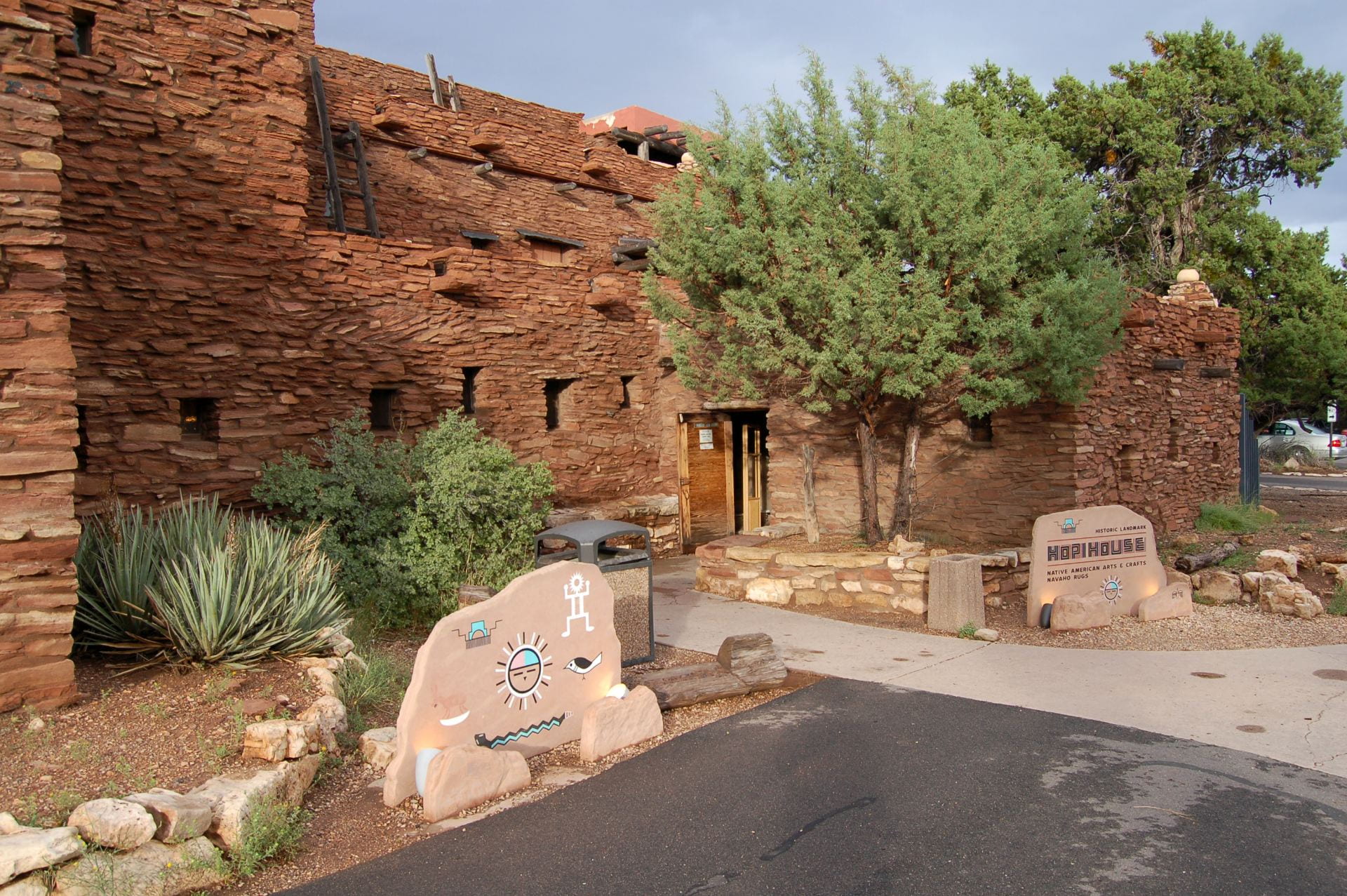
“Grand Canyon Hopi House 0073” by Grand Canyon National Park, Creative Commons
Disability Rights & Housing: Native Americans
Persons with disabilities with another form of marginalized identity (e.g. members of an indigenous group) are placed at a heightened risk for social isolation / exclusion, for physical and mental health concerns, and having disability-related needs go unmet (US Department of Health & Human Services, 2017). Within American Indian / Alaska Native (AIAN) communities, this translates specifically into housing issues, as AIAN reservations already suffer from a lack of resources and infrastructural investment to provide for non-disabled AIAN individuals (US Department of Health & Human Services, 2017). An estimated 21 – 69% of homes on reservations are overcrowded and have serious physical deficiencies compared with 5.9% of non-reservation US homes nationally (US National Council on Disability, 2003). To address these intersecting concerns, the AIAN community, in tandem with the US government, have prepared and started implementing policy prescriptions to provide affordable, safe, and dignified housing to AIAN with disabilities.
Of primary concern in planning homes for persons with disabilities is utilizing principles of universal design – “guidelines for housing construction that would create a livable, marketable environment for everyone regardless of ability, age, or size” (US National Council on Disability, 2003, p. 94). Currently, the American Indian Disability Technical Assistance Center provides assessments of universal design within reservations and makes design prescriptions if the home in question is not fully accessible. Implementation of these prescriptions may fall to the American Indian Disability Legislation Project (AIDLP), a culturally-informed taskforce mandated to draft and pass legislation standardizing disability-related care (including autonomous and accessible housing) on Indian reservations (US Department of Health & Human Services, 2017). The AIDLP, in addition to ensuring reservations adhere to the Americans with Disabilities Act, acts as a cultural liaison between the disability community and AIAN community to ensure disability concerns are handled in a culturally-appropriate manner. Finally, the AIDLP and other AIAN-affiliated, disability-related advocacy groups ground their research and implementation efforts by tackling both material (e.g. physical accessibility) and immaterial (e.g. cultural stigma) barriers (US Department of Health & Human Services, 2017).
Towards a Global Culture of Disability Empowerment
The preceding case studies illustrate that disability rights, especially related to employment and housing, are high complicated issues. Historical events, such as apartheid and civil war, interact with governmental policies, such as austerity measures and indigenous sovereignty. Underlying each of these examples is the ‘culture’ surrounding disability – how peoples across the world value or stigmatize the experiences and perspectives of the disability community. In some cases, such as South Africa, systems of discrimination have erected structural barriers holding back people with disabilities, even though disability-related stigma may have lost its potency. In other cases, such as American Indian / Alaska Native communities, an additional marginalized identity may facilitate an even greater emphasis on seeking justice and equity for persons with disabilities. As local, national, and global disability movements aim to eliminate social exclusion and promote equality in life and livelihood, the myriad cultures of disability must be unpacked and explained. This post argues that moving towards a global cultural of disability empowerment is indeed possible. Once this culture of empowerment has been adopted, disability-related concerns, such as employment and housing, will be addressed and rectified across the globe.
Keep up with the latest announcements related to the upcoming Symposium on Disability Rights by following the IHR on Facebook, Twitter, and Instagram. And don’t forget to tag your Symposium-related posts with our event hashtag: #DisabilityRightsBHM
References
Benomis, A. M., Nicolson, R. I. & Beail, N. (2016). Attitudes towards people with intellectual disability in the UK and Libya: A cross-cultural comparison. Research in Developmental Disabilities, 2016, 1-9.
Clougherty, T. (2017). Make Work Pay: A New Agenda for Fairer Taxes. Cork, Ireland: Center for Policy Studies.
Cusick, A. & Hamed el-Sahly, R. M. (2018). People with disability are a medicalized minority: Findings of a scoping review. Scandinavian Journal of Disability Research, 20(1), 182-196.
Engelbrecht, P. (2006). The implementation of inclusive education in South Africa after ten years of democracy. European Journal of Psychology of Education, 21(3), 253-264.
Hamed el-Sahly, R. M. & Cusick, A. (2016). Rehabilitation services in Benghazi, Libya: An organizational case study. Middle East Journal of Family Medicine, 14(9), 11-18.
South African Human Rights Commission (2017). Research Brief of Disability and Equality in South Africa. Braamfontein, South Africa: South African Human Rights Commission.
US Department of Health & Human Services (2017). Emerging LTSS Issues in Indian Country: Disability and Housing. Spokane, WA: Kauffman & Associates, Incorporated.
US National Council on Disability (2003). Understanding Disabilities in American Indian & Alaska Native Communities. Washington, DC: National Council on Disability.
February is Black History Month. For the next few posts, I will review books by Black women who provide insight into the Black experience.
Source: Ajanet Rountree
Zora Neale Hurston (ZNH) was a cultural anthropologist. With her very being, Hurston occupied a space of protest of the normative within the field of anthropology as she traversed through society and academia as a Black woman from the South. The intersectionality of her life may remain lost on some; however, it is essential to understanding her as an ethnographer, folklorist, and local colorist. She studied under Franz Boas alongside Ruth Benedict and Margaret Mead, but there is often an exclusion of her work. When listing the cohort of the generations of anthropologists or ethnographers, ZNH is often not among those listed, as the categories for her work are The Harlem Renaissance, folklore, or African American literature. To Boas, ZNH was an anthropologist who, through the application of anthropological methods and techniques, gave insight into Black life in a way no White person could do. In this way, she achieves “racial vindication” and qualitative results through the application of anthropological methods like observation and participation, unstructured interviews, and ethnographic data collection.
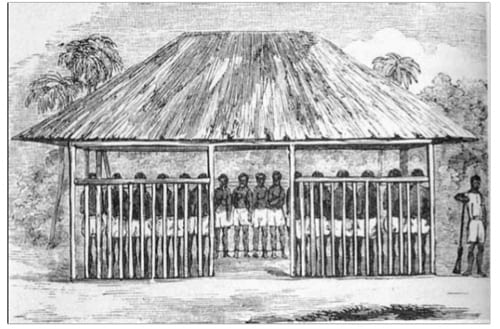
Barracoonis the oral history of Cudjo Lewis—or Oluale Kossola–the only living African “cargo” of the slave ship, Clotilda. Kossola was not born into enslavement. He was sold and captured from Dahomey (presently Benin) and brought to Mobile Bay in Alabama. His testimony offers a completely new perspective and firsthand account of colonization. Hurston first reveals insight into her reflexive research on Kossola’s life and story in her autobiography, Dust Tracks on a Road. “One thing impressed me strongly…The white people had held my people in slavery here in America. But the inescapable fact that stuck in my craw, was: my people had sold me and the white people bought me. That did away with the folklore I had been brought up on. It was a sobering thought” (164-8). Employing her trademark of writing phonetically, ZNH allows Kossola to tell his story in his language and style, rarely interrupting his stream of consciousness. This methodology would later become known as emic ethnography. Spending three months in one-on-one interviews solely with Kossola, a Yoruba by birth and a resident of Affriky town, she learns about his life in Africa, his survival of the Middle Passage and enslavement, and his life as a ‘free’ man.
Oluale Kossola was a man to many, but to others, he was an exploit of their contrabanded flesh: “’the black ivory,’ ‘the coin of Africa,’ had no market value.” He and the other enslaved were “Africa’s ambassadors to the New World,” sold as “brisk trade” by the King of Dahomey (5-9). Although she refers to him by his American name, Cudjo, throughout the book, ZNH makes a point to state that upon her initial reunification with him, “I hailed him by his African name as I walked up to the steps of his porch.” As his eyes filled with joyful tears, he exclaimed,
“Oh Lor’, I know it you call my name. Nobody don’t callee me my name from cross de water but you. You always callee me Kossula, jus’ lak I in de Affica soil” (17).
By the time ZNH sits down with Cudjo, he is the only one left and finds himself surprised and moved that someone would want to learn about his life. Hurston writes that she told him that she wanted to know all about him, to which he responded:
“Thankee Jesus! Somebody come ast about Cudjo! I want tellee somebody who I is, so maybe dey go in the Afficky soil some day and callee my name and somebody dere say, ‘Yeah, I know Kossula.’ I want you everywhere you go to tell everybody whut Cudjo say, and how come I in Americky soil since de 1859 and never see my people no mo’. I can’t talkee plain, you unnerstand me, but I calls it word by word for you so it won’t be too crooked for you. My name, is not Cudjo Lewis. It Kossula. When I gittee in Americky soil, Mr. Jim Meaher he try callee my name, but it too long, you unnerstand me, so I say, ‘Well, I yo’ property?’ He say, ‘Yeah.’ Den I say, ‘You callee me Cudjo. Dat do.’ But in Affricky soil my mama she name me Kossula” (19-20).
barracoon. Source: Creative Commons
Kossola’s narrative differs from the account of Olaudah Equiano and the former slave narratives of Frederick Douglass, Harriet Jacobs, and Booker T. Washington. Additionally, it is unlike the ethnographic work of Eatonville, Florida as written about in Mules and Menand her most famous novel, Their Eyes Were Watching God. Scholars Natalie S. Robertson and Sylviane A. Diouf provide extensive supportive evidence about the 1927-28 anthropological research of ZNH, the Clotilda and the establishment of Africa town in Alabama in their respective books, The Slave Ship Clotilda and the Making of AfricaTown, USA and Dreams of Africa in Alabama. Although both books preceded Barracoon’s 2018 publication, they build upon the foundation laid and the way paved for by ZNH, even mentioning current residents of Africatown who met her during the visit. Robertson accurately identifies Kossula as a griot or native African storyteller, trusted to keep and share the stories of tribes over generations. There is “genius that is contained in oral tradition as chroniclers of phenomena and as vehicles for education in Africa…without dependency on written records. Because Cudjo hailed from West Africans who are masters of the spoken word, it was not difficult for him, even as a nonagenarian, to recall the circumstances that led to his capture and forced migration to Alabama” (9). As Diouf points out, slave and former slave narratives reveal what life was like during and after enslavement but the narrative of Clotilda survivors like Kossola “represents a unique group of people who grew up free, spent the majority of their years in bondage during the Civil War, and soon became free again.” Their perspectives also reveal the parts of African culture that adapted, sustained them and continued to unify them (4).
In her signature way, ZNH accomplishes several things with this book. First, she continually restores the humanity that enslavement and separation from Africa stripped away. With the one action of calling him by his African name, she imparted both his personal and cultural identity. By transcribing his narrative in his dialect, she maintains his character and dignity. Second, she allows Kossula to tell his story. Oral history and narrations are cultural and personal heritage. Kossula was the last survivor of the Clotilda; therefore, if ZNH had not traveled to Africatown when she did, this one-of-a-kind perspective might not have been told. Third, she does not gloss over or shy away from the brutality of colonization and the dehumanization that comes with the financial trading of human beings and comes to identify with him. As echoed in Dust Tracks, “Truth is a letter from courage” (31). Regardless of her role as an anthropologist and observer, she finds herself drawn in and experiencing his pain, tragedy, and joy. It is for these reasons that Boas concluded that the work of ZNH contributed to the “knowledge of the true inner life of the Negro” because she was not only a student of history but could “enter into the homely life of the southern Negro as one of them and was fully accepted” (xiii-xiv).
Hurston could have selected any group of people to study, anywhere in the U.S. or world, yet, she chose to return home and study the people she knew and the town she loved. In doing this, ZNH gave value and voice to the “inferior”—people who shared the same skin color and occupied the same category of within the social construction. She reflexively offers a distinct perspective on Blackness because she was Black and studied Black people to know herself more and to debunk the myths and stereotypes about who Black people were, how they arrived here, how they live and continue to live.
UAB is an Equal Employment/Equal Educational Opportunity Institution dedicated to providing equal opportunities and equal access to all individuals regardless of race, color, religion, ethnic or national origin, sex (including pregnancy), genetic information, age, disability, religion, and veteran’s status. As required by Title IX, UAB prohibits sex discrimination in any education program or activity that it operates. Individuals may report concerns or questions to UAB’s Assistant Vice President and Senior Title IX Coordinator. The Title IX notice of nondiscrimination is located at uab.edu/titleix.