Training to Treatment: AI’s Role in Healthcare Inequities

My first English professor here at UAB centered our composition class entirely around Artificial Intelligence. He provided our groups with articles highlighting the technology’s potential capabilities and limitations, and then he prompted us to discuss how our society should make use of AI as it expands. Though we tended to be hesitant toward AI integration in the arts and service industries, there was a sense of hope and optimism when we discussed its use in healthcare. It makes sense that these students, most of whom were studying to become healthcare professionals or researchers, would look favorably on the idea of AI relieving providers from menial, tedious tasks.

AI’s integration in healthcare does have serious potential to improve services; for example, it’s shown promise in examining stroke patients’ scans, analyzing bone fractures, and detecting diseases early. These successes don’t come without drawbacks, however. As we continue to learn more about the implications of AI use in healthcare, we must take into account potential threats to human rights, including the rights to health and non-discrimination. By addressing the human rights risks of AI integration in healthcare, algorithmic developers and healthcare providers alike can implement changes and create a more rights-oriented system. 

A woman stands in front of a monitor, examining head and spine scans.
Adobe Stock #505903389 Gorodenkoff A woman stands in front of a monitor, examining head and spine scans.

THE INCLUSION OF INEQUALITIES

Artificial Intelligence cannot operate without data; it bases its behaviors and outcomes on the data it is trained on. In healthcare, Artificial Intelligence models rely on input from health data that ranges from images of melanoma to indicators of cardiovascular risk. The AI model uses this data to recognize patterns and make predictions, but these predictions are only as accurate as the data they’re based on. Bias in AI systems can often stem from “flawed data sampling,” which is when sample sizes of certain demographics are overrepresented while those of others, usually marginalized groups, are left out. For example, people of low economic status often don’t participate in clinical trials or data collection, leaving an entire demographic underrepresented in the algorithm. The lack of representation in training data also generally applies for women and non-white patients. When training datasets are imbalanced, AI models may fail to accurately analyze test results or evaluate risks. This has been the case for melanoma diagnoses in Black individuals and cardiovascular risk evaluations in women, where the former model was trained largely on images of white people and the latter on the data of men. Similarly, text-to-speech AI systems can omit voice characteristics of certain races, nationalities, or genders from training data, resulting in inaccurate transcriptions. 

A woman at a computer examines unequal data sets on two sheets of paper.
Adobe Stock #413362622 Source: Andrey Popov A woman at a computer examines unequal data sets on two sheets of paper.

The exclusion of certain groups from training data points us to the fact that AI models often reflect and reproduce already existing human biases and inequalities. Because medical data reflects currently existing healthcare disparities, AI models train themselves in ways that internalize these societal inequalities, resulting in inaccurate risk evaluations, especially for Black, Hispanic, or poor patients. These misdiagnoses and inaccurate evaluations create a feedback loop where an algorithm trained on poor data creates poor healthcare outcomes for marginalized groups, further contributing to healthcare disparities. 

FRAGMENTATION AND HALLUCINATION

Another limitation of the data healthcare AI models are trained on is their fragmented sourcing. Training data is often collected across different sources and systems, ranging from pharmacies to insurance companies to hospitals to fitness tracker records. The lack of consistent, holistic data compromises the accuracy of a model’s predictions and the efficiency of patient diagnosis and treatment. Other research highlights that the majority of patient data used to train algorithms in America comes from only three states, limiting its consideration of geo-locational factors on patient health. Important determinants of health, such as access to nutritious food and transportation, work conditions, and environmental factors, are therefore excluded from how the model diagnoses or evaluates a patient. 

A computer screen shows an AI chatbot, reading "Meet AI Mode"
Adobe Stock #1506537908 Source: Tada Images A computer screen shows an AI chatbot, reading “Meet AI Mode”

When there are gaps in an AI system’s data pool, most generative AI models will fabricate data to fill these gaps, even if this model-created data is not true or accurate. This phenomenon is called “hallucination,” and it poses a serious threat to the accuracy of AI’s patient assessments. Models may generate irrelevant correlations or fabricate data as they attempt to predict patterns and outcomes, resulting in overfitting. Overfitting occurs when models learn too much on the training data alone, putting weight on outliers and meaningless variations in data. This makes models’ analyses inaccurate, as they fail to truly understand patient data and instead manipulate outcomes to match the patterns they were trained on. AI models will easily fabricate patient data to create the outcomes that make the most sense to their algorithms, jeopardizing accurate diagnoses and assessments. Even more concerning, most AI systems fail to provide transparent lines of reasoning for how they came to their conclusions, eliminating the possibility for doctors, nurses, and other professionals to double-check the models’ outputs.

HUMAN RIGHTS EFFECTS

All of this is to say that real patients are complex, and the data that AI is trained on may not accurately represent the full picture of a person’s health. This results in tangible effects on patient care. An AI’s misstep in its analysis of a patient’s health data can result in prescribing the wrong drugs, prioritizing the wrong patients, and even missing anomalies in scans or x-rays. Importantly, since AI bias tends to target already marginalized groups such as Black Americans, poor people, and women, unchecked inaccuracies in AI use within healthcare can pose a human rights violation to the Universal Declaration of Human Rights (UDHR) provisions of health in Article 25 and non-discriminatory entitlement to rights as laid out in Article 2. As stated by the Office of the High Commissioner for Human Rights, human rights principles must be incorporated to every stage of AI development and implementation. This includes maintaining the right to adequate standard of living and medical care, as highlighted in Article 25, while attempting to address the discrimination that occurs within healthcare. As the Office of the High Commissioner for Human Rights states, “non-discrimination and equality are fundamental human rights principles,” and they are specifically highlighted in Article 2 of the UDHR. These values must remain at the forefront of AI’s expansion into healthcare, ensuring that current human rights violations are not magnified by a lack of careful regulation.

WHAT CAN BE DONE?

To effectively and justly apply Artificial Intelligence to healthcare, human intervention must ensure that fairness and accuracy remain at the center of these models and their applications. First, the developers of these algorithms must ensure that the data used for training is drawn from a diverse pool of individuals, including women, Black people, and other underrepresented groups. Additionally, these models should be developed with fairness in mind and should work to mitigate biases. Transparency should be built into models, allowing providers to trace the thought processes used to create conclusions on diagnoses or treatment choices. These goals can be supported by advocating for AI development teams and healthcare provider clinics that include members of marginalized groups. The inclusion of diverse life experiences, perspectives, and identities can remedy biases both in the algorithms themselves and the medical research and data they are trained on. We must also ensure that healthcare providers are properly educated about how these models operate and how to interpret their outputs. If developers and medical professionals do address these challenges, then Artificial Intelligence technology has immense potential to improve diagnostic accuracy, increase efficiency in analyzing scans and tests, and alleviate healthcare providers of time-consuming, menial tasks. With a dedication to accuracy and human rights, perhaps the integration of Artificial Intelligence into healthcare will meet my English classmates’ optimistic standards and aid them in their future jobs.

 

International Day of Persons with Disabilities: Disability Rights Successes in South Asia

The image shows a man with a prosthetic leg sitting on the ground. In his hand is a volleyball, on which he is writing something with a marker.
“Disabled men play volleyball” by World Bank Photo Collection is licensed under CC BY-NC-ND 2.0.

December 3rd marked the International Day of Persons with Disabilities – a day to raise awareness of disability rights, the benefits of inclusion, and the challenges society poses for individuals with disabilities. The theme for this year is “Leadership and participation of persons with disabilities toward an inclusive, accessible and sustainable post-COVID-19 world.” In honor of this occasion, we wanted to highlight a few of the many instances in recent times where strides have been made in inclusion and accessibility. This post will focus on the progress made in south Asia, while the post by Danah Dib will speak to the achievements that have been made in the Middle East. There have been numerous successes in the efforts to push disability rights forward in south Asia, particularly in the spheres of politics, health, and education.

Political Rights

Efforts to secure the political and civil rights of individuals with disabilities in south Asia passed a milestone in 2015. The “South Asia Regional Disability Rights Dialogue on Political Participation” convened for the first time in October of 2015, bringing together over 80 representatives from disabled people’s organizations and election management bodies across south Asia. The conference aimed to advocate for increased access to elections for people with disabilities by providing recommendations to the Forum for South Asian Election Management Bodies (FEMBoSA) during its annual conference. After three days of deliberation and advocacy work, the participants in the South Asia Regional Disability Rights Dialogue on Political Participation produced a nine-point charter on disability inclusion in elections and managed to get the Columbo Resolution modified to include language that was inclusive of people with disability. The Columbo Resolution was the culminating document of the conference, setting forth the Forum’s priorities and commitments for the future. In the same document, FEMBoSA also resolved to develop appropriate standards to ensure that people with disabilities are included in elections.

Numerous changes occurred in the wake of this resolution, in part due to continued advocacy by disabled people’s organizations in implementing the recommendations. Smitha Sadasivan, a member of the Disability Rights Alliance India, described the work of the organization in the implementation process in the state of Tamil Nadu, India: “Persons with intellectual and psychosocial disabilities were enrolled in electoral rolls after the Colombo Declaration”. Numerous additional steps were taken, starting with the appointment of officers specifically responsible for disability inclusion. Electors with disabilities were mapped, and reasonable accommodations were identified. Inclusive voter educational material was developed, and election officers and volunteers were trained on inclusive practices. In 2016, the Election Commission of Sri Lanka included a unit regarding disability in its strategic, four-year plan, with the intent to research barriers to inclusion and increase the participation of people with disabilities. These changes are key steps in ensuring that individuals with disabilities are afforded their civic liberties and can take part in shaping their community.

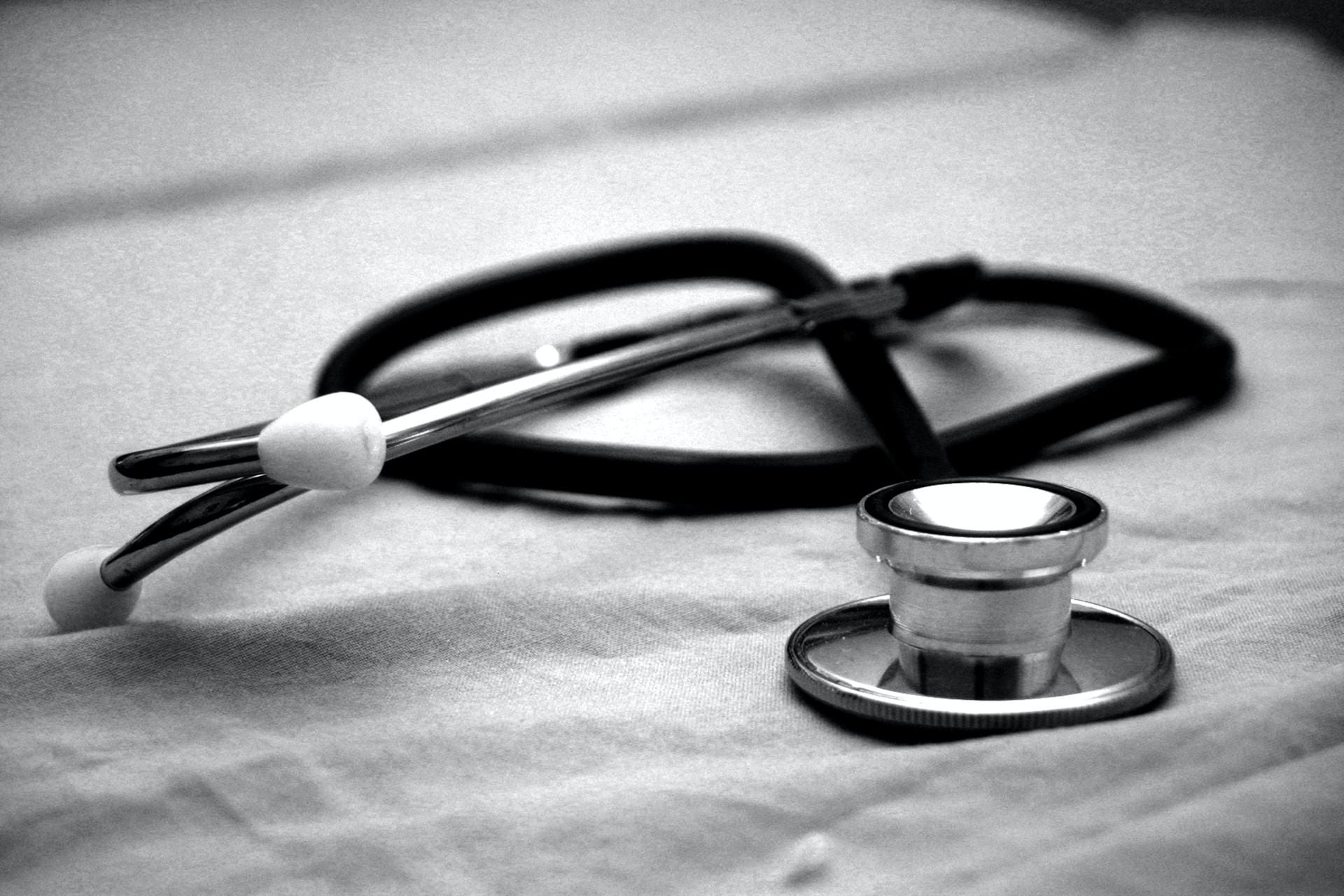
The image shows a stethoscope placed on a surface covered by cloth. The length of the stethoscope is coiled.
India has made progress in improving clinical care for individuals with disabilities by reforming medical education. Source: Unsplash

Rights to Health and Healthcare

A second important development for disability rights takes us from the polling booths to hospital clinics. The impacts of healthcare providers holding negative attitudes towards disability, and a lack of knowledge on appropriate communication, is well documented. It not only impacts the doctor-patient relationship and decreases quality of care, but also results in individuals with disability utilizing healthcare services less frequently. It goes without saying that this contributes to worsened health outcomes for those who are disabled. In recent times, the Medical Council of India has taken steps to bridge this deficiency in clinical care. Starting from August 2019, medical schools in India are required to conduct a month-long training on disability rights that covers culturally appropriate communication and optimum clinical care for people with disabilities. This change came after numerous disability rights advocates, and doctors with disabilities, raised their voice regarding the lack of disability related competencies in the new medical curriculum designed by the Medical Council of India in 2018. Spearheading these efforts was Dr.Satendra Singh of the University College of Medical Science in Delhi University.

Collaborating closely with people with disabilities and educators across the country, Dr.Singh and his colleagues developed 27 disability competencies based on the human rights approach to disability, as enshrined in the UN Convention on Rights of People with Disabilities. While more can be done to make education on disability rights increasingly comprehensive and immersive, such as inclusion of experiential learning where medical students spend time with individuals with disabilities outside of the hospital, these actions are undoubtedly a much-needed step in the right direction. India, like many other countries, also faces challenges in increasing medical student diversity in terms of disability – significant, structural barriers still exist for competent medical school applicants with disabilities. Disability rights advocates like Dr.Singh continue to challenge inaccurate and negative stereotypes regarding the abilities of individuals with disabilities, hoping to further improve medical care and education for people with disabilities.

The image displays gold medals stacked in pairs. Engraved on the medals is writing and a logo signifying the Special Olympics.
The Rising Sun Education and Welfare Society of Lahore, Pakistan, has trained numerous athletes with developmental disabilities who went on to win international competitions like the Special Olympics. “SPECIAL OLYMPICS EUROPEAN SUMMER GAMES 2014” by Special Olympics Oesterreich is licensed under CC0 1.0.

The Role of Non-Governmental Organizations

Another area of development is the not-for-profit sector, organizations that are working at the grassroot level to offer support to individuals with disabilities and to help implement and further systemic policy changes. An example of such an organization is the Rising Sun Education and Welfare Society in Lahore, Pakistan, which aims to encourage the independence of individuals with disabilities through education and training. One noteworthy aspect of the organization is their training in sports. Sports training is offered as a way to develop capabilities and life skills of individuals with disabilities and to allow them to compete at the highest level in international competitions like the Special Olympics. Over the years, athletes from the organization have won 91 medals in numerous events across the world.  The organization also provides vocational training in cooking through their “Special Chef” program – individuals who participated in the program went on to not only work for the Education and Welfare Society, but also join other organizations as chefs and start their own business ventures. Lastly, another crucial role the organization plays is in raising awareness amongst parents regarding the support services available to their children with disabilities. These efforts attempt to combat the stigma surrounding disability and promote the inclusion of individuals with disabilities as equal members of society.

Future Directions

Despite these accomplishments, there is a lot more work that needs to be done. A study by Paul Chaney of Cardiff University revealed that ableism is still pervasive in Indian society. Educational programs for individuals with disabilities are not funded adequately, and private schools often ignore the minimum supports for students with disabilities as required by the law. Individuals with disabilities in rural areas are particularly disadvantaged in terms of educational opportunities, leading to much higher likelihood of unemployment and poverty. Concerns continue regarding the accessibility of the healthcare system for people with disabilities. Still, efforts are being made to combat forced institutionalization and forced sterilization of individuals with disabilities, issues which compound at the intersection of gender discrimination.

The successes discussed in here are just a few examples of the change created by the disability rights movement across the world and the driving force behind it: namely, the advocates who work tirelessly to push society forward in its inclusion of individuals with disabilities. Although more progress is yet to be made, these testimonies give us hope that transformational change can occur, however gradually it may come about. This is our letter of gratitude to those who continue to work to ensure the equitable and rightful treatment of individuals with disabilities and our call to action to all others.

COVID-19 vaccine disparity in Israel and Palestine

Since the middle of November, COVID-19 cases have hit record-highs for the pandemic across the world. Countries around the world are pushing to get healthcare workers and the general population vaccinated to ease the burden of increased cases on health systems, economies, and citizens. The logistics of obtaining and delivering the vaccine have proved a slow, arduous task in many countries across the world. 

However, Israel has reported success in rapidly vaccinating health care workers and the general population. At the end of December and early January, Israel reported that it had administered vaccines to around 17% of the population. According to the Jerusalem Post, Israel has secured enough vaccines to have all Israeli citizens vaccinated by March 16th of this year. Israeli Prime Minister Netanyahu has declared, “We will be the first country to emerge from the coronavirus. We will vaccinate all relevant populations and anyone who wants to can be vaccinated.” He went on to say that Israel will be a “model-nation” for how to exit the coronavirus.

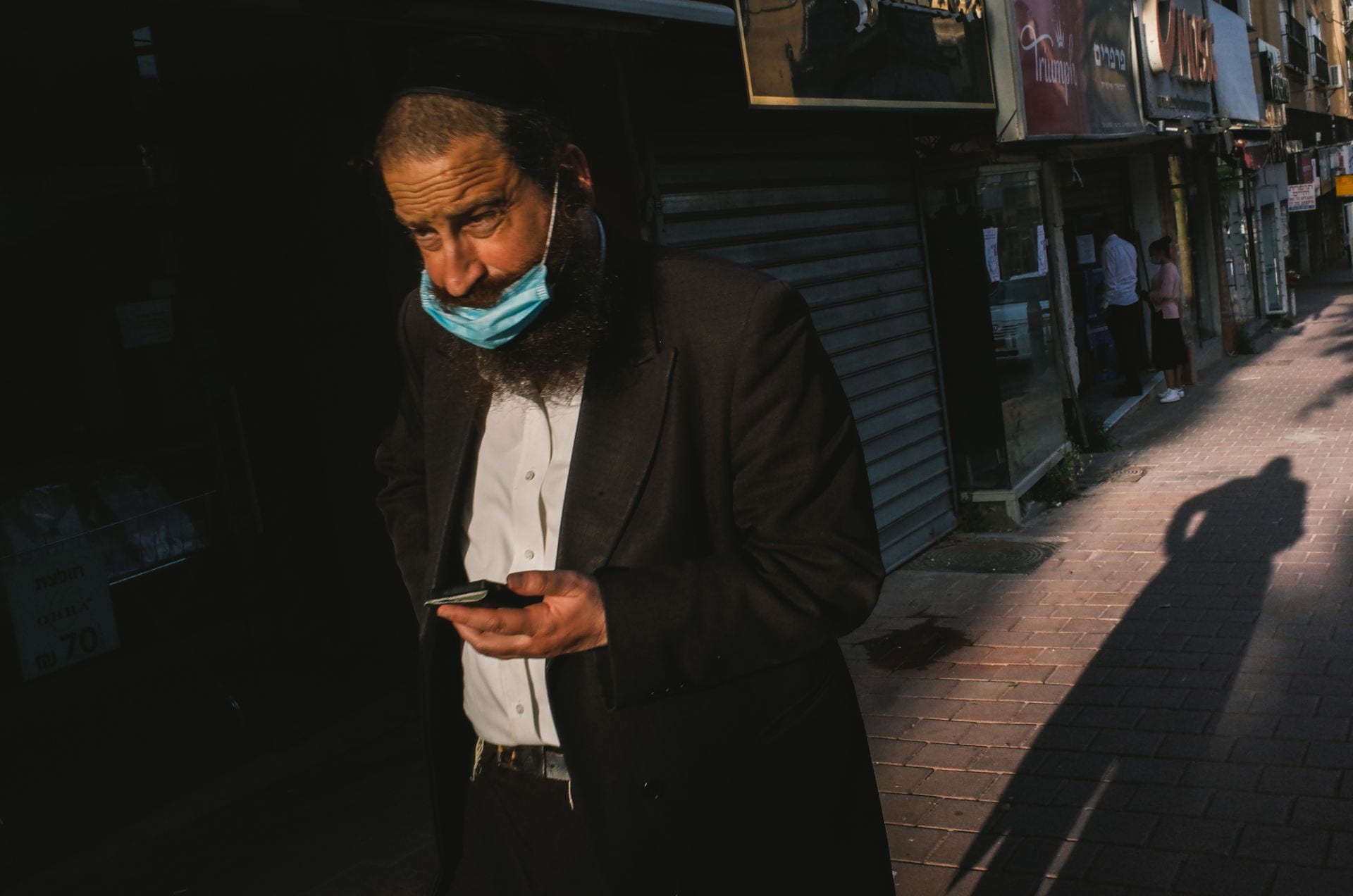
A man walks down the street during the Bnei-Brak Coronavirus shutdown in Israel
Source: Amir Appel, Flickr

A significant portion of Israel’s borders is made up of 5 million Palestinians who live in the West Bank, Gaza Strip, and East Jerusalem. Israelis within the defined borders of the state number at 8 million, making Palestineans comprise 39% of the population. Israel occupies the West Bank, meaning most of the territory is under the control of the Israeli government. Gaza Strip has been blockaded, and the Israeli government controls all resources entering and exiting the area. However, Israel has no plans to vaccinate any Palestinians even though they are inoculating residents living in Jewish settlements in occupied territory. They sight the Oslo Peace Accords from the 1990s, saying that Palestine is responsible for their own healthcare. So far, the only Palestinians that have received any vaccines are those living in East Jerusalem, since they have Israeli residency and access to Israeli healthcare. 

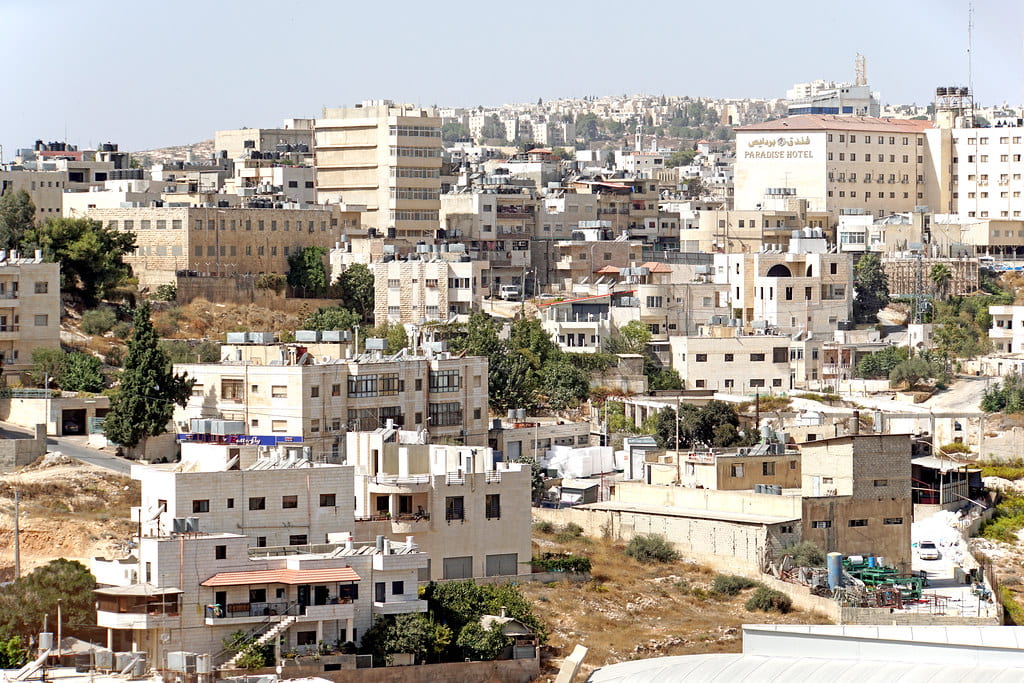
A view of the West Bank, Palestine
Source: archer10 (Dennis), Creative Commons

Within Israeli territory, Palestinians have carried the higher burden of COVID-19 cases and deaths per capita. Of the people who get COVID-19 in Palestine, 1.1% will die from the disease. In Israel, this number is 0.7% due to better access to higher quality healthcare. Israel has begun to give vaccines to medics, nurses, and doctors working in the 6 Palestinian hospitals, but they were not available until the past few weeks. Vaccines are still unavailable to Palestinians with high-risk health conditions and those over 65, even though all Israelis over 40 are now eligible. 

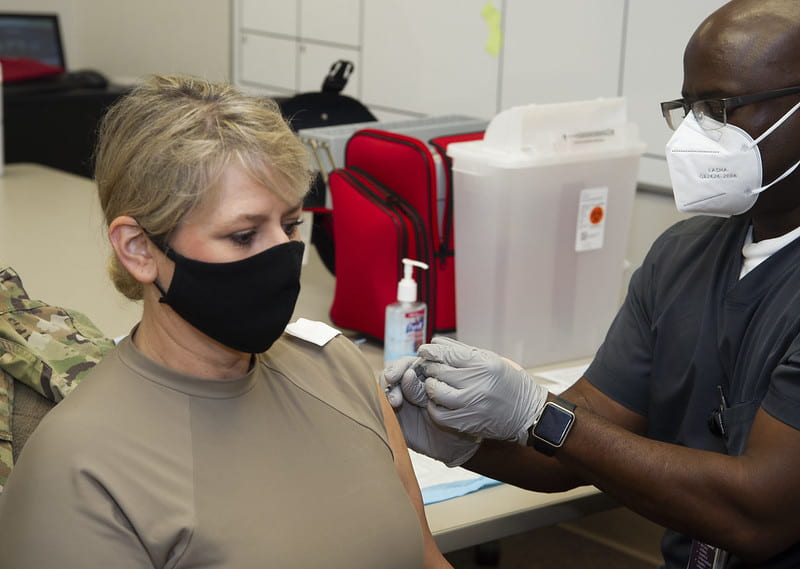
A woman gets her first COVID-19 vaccine
Source: Joint Base San Antonio Public Affairs, Flickr

The human rights body of the United Nations has released a statement saying that it is Israel’s responsibility as an occupying power to provide equitable access to Covid-19 vaccines for Palestinians in Gaza and the West Bank. There has been a huge inequality in vaccine distribution between Israel and Palestine, and the people of Palestine need vaccinations like those in the occupying power of Palestine. 

UPDATE (March 29, 2021):  According to BBC News, in early March, Israel decided to start offering the vaccine to the some 130,000 Palestinians living in occupied East Jerusalem or coming to work in Israel or in Israeli settlements in the West Bank. In other parts of the West Bank and in Gaza, the situation continues to be very bleak – infections are rising, new restrictions are being imposed, and vaccination efforts have been much slower to start. The Palestinian authorities have begun administering vaccines supplied under the international Covax vaccine-sharing scheme, which is intended to help poorer countries access supplies, and the UAE has donated 20,000 doses of the Russian-made vaccine to residents of Gaza. There is some argument over who is responsible for vaccinating Palestinians, with Israel pointing to the specification in the Oslo Accords stating that “Powers and responsibilities in the sphere of Health in the West bank and Gaza Strip will be transferred to the Palestinian side, including the health insurance system.” On the other hand, the United Nations issued a statement saying that according to the Fourth Geneva Convention, Israel (the occupying power) is “responsible for providing equitable access to Covid-19 vaccines for Palestinians in Gaza and the West Bank.” In any case, now that the vaccine is in greater supply, Israel has begun including Palestinians with work permits in the vaccine rollout.

Public Health Equity in Humanitarian Crises

In 1950, the office of the United Nations High Commissioner for Refugees (UNHCR), also known as the UN Refugee Agency, was created to help  millions of Europeans who had fled or lost their homes during World War II. Since the creation of the UNHCR, the UN Agency for Refugees still remains the leading UN organization mandated to protect the basic needs and human rights of refugees. The unprecedented forced displacement of people, both internally and across borders, is one of the most persistent manifestations of humanitarian crises and conflict in the modern era. 65.5 million people around the world have been forced from their homes due to violence. Among the 65.6 million people, the UNHCR oversees more than 21 million refugees, over half of whom are under the age of 18. Presently, the rights of refugees are protected by the UN Convention Related to the Status of Refugees adopted in 1951, established from Article 14 of the Universal Declaration of Human Rights (UDHR). Article 14 of the UDHR recognizes the right of persons to seek asylum in other countries from persecution in their home country.

The long- and short-term effects of displacement on the masses of global refugees generate humanitarian crises for these persons. Humanitarian responses to crises focus on delivering equitable and quality public health interventions, an essential element of the larger operational framework of humanitarian aid. Public health encompasses a vast variety of components including: 1) reproductive health, 2) disease control, 3) maternal and child care, 4) psychosocial support, and lastly 5) sanitation. “Although the health needs during and after natural disasters and armed conflicts are similar, the differences arise from the political complexities of the latter, in which civilian populations serve as targets of war and human rights abuses aggravate health and protection needs” (Leaning, 2013). The main health consequences of armed conflicts are not conflict-related injuries and deaths. During humanitarian crises such as armed conflict, death is exacerbated by various direct and indirect factors, including common childhood illnesses such as diarrheal disease and severe malnutrition. The legitimate concerns of public health equity in the framework of refugees’ and internally displaced populations’ (IDPs) healthcare continues to be more complex and challenging.

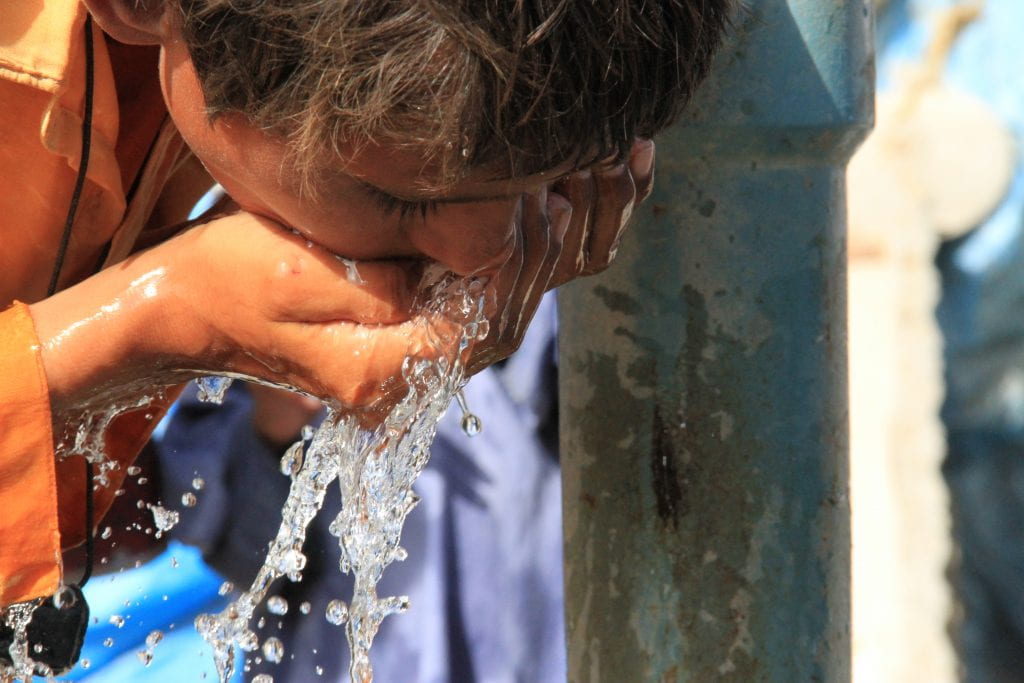
Providing clean water to millions of people. Source: DFID, Creative Commons

Urban Refugees
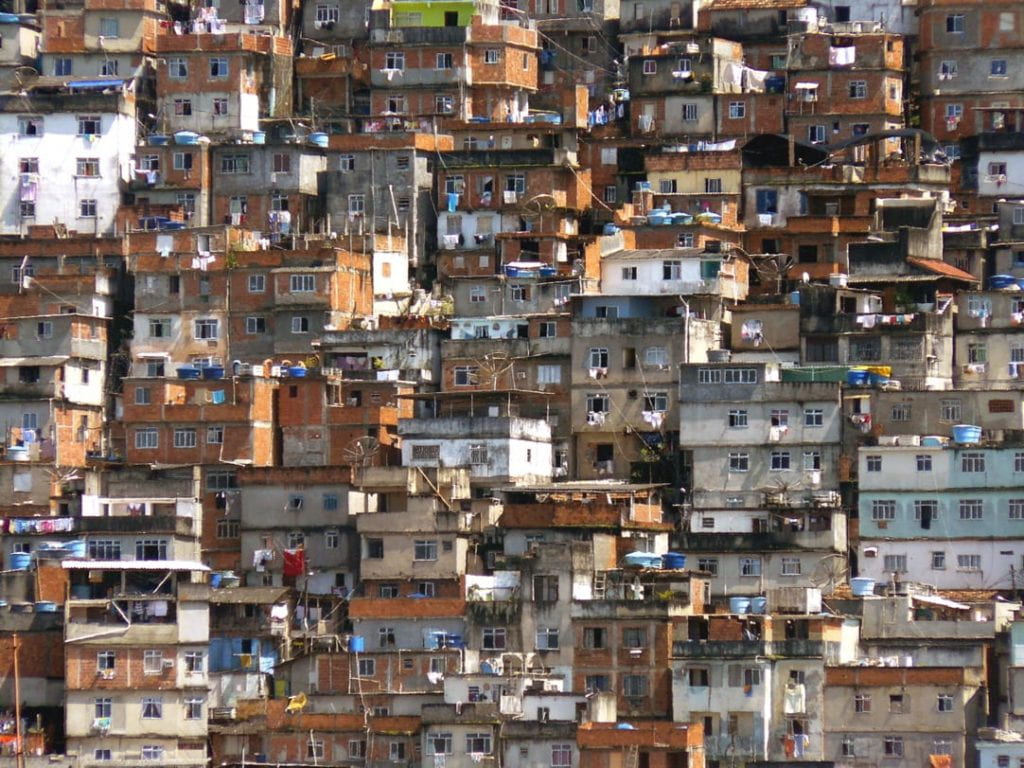
Current global trends indicate a shift towards urban destinations for refugees and away from refugee camps. The UNHCR reports 60% of the global refugee population and 34 million IDP population live in urban environments. Urban environments provide social security for refugees. Unlike refugee camps, living in cities offers refugees the opportunity to live anonymously. Refugees residing in urban settings are not subjected to the limitations of a refugee status and camps. In urban settings, refugees have access to educational, advanced healthcare services, and employment opportunities which may not be available at refugee camps. Examples of this trend are Damascus, Syria and Amman, Jordan; both received more than 1 million refugees from Iraq alone. Furthermore, many refugees are not legally permitted to settle in urban centers, thus end up living in informal settlements and slums alongside the major urban areas. These informal settlements are typically outside the radar of government and humanitarian aid agencies, thus remaining unidentified and particularly at risk for human right violations.

Public health equity in humanitarian situations
From the public health perspective, it is much more difficult to keep track of people when they move to urban areas. This consequently makes healthcare delivery more difficult in terms of: 1) assuring refugees receive basic health care services, 2) coordinating patient referrals, 3) accessible and available health services and resources, and finally 4) managing the costs of health care services. UNHCR’s leading principles for public health assert health care services delivered to refugees by host countries should resemble and correspond with the services provided to citizens and residents in their country of origin. Minimum, yet essential, health care services must be maintained in all situations, including humanitarian disasters and mass forced migration. “This UNHCR guiding principle preserves a sense of fairness and equity between two contiguous groups of people who must, for a range of security and political reasons, be encouraged to live in this adjacency as harmoniously as possible for an indefinite period of time (Leaning, 2011).”

A coordinated system of health care delivery is more urgent in urban settings not associated with refugee camps or humanitarian relief. The urban displacement phenomenon has shifted the direction of care delivery systems to focus on establishing healthcare delivery systems supporting access to preventive health care services. Present systematic healthcare delivery issues requiring critical consideration include 1) the financing of health services, 2) access barriers to services due to unaddressed financial burdens, 3) cultural barriers, and lastly 4) and the integration of services for refugees within existing formal health systems.

Recently, UNHCR has begun to advocate for refugees to gain access to health insurance in their host country, especially in middle-income countries where healthcare systems already function for host populations. For example, in 2011, health insurance for Afghan refugees living in Iran was introduced. By June 2012, 347,000 refugees registered for health insurance. 40% of the Afghan refugees whom enrolled for health insurance were officially registered with the UNHCR. With health insurance, refugees have access to secondary and tertiary healthcare services for treatment of non-communicable diseases and other illnesses. Health insurance provides UNHCR registered refugees a second form of official documentation. Secondary healthcare services include consultant led-services with health care specialists. Tertiary care services include specialized consultative care delivered on referral from primary and secondary The Iranian government also benefits from providing health insurance to the country’s population by reducing the perennial risk of paying for the hospitalization of refugees. Refugee health insurance is successful in Iran because refugees have access to employment allowing some refugees the means to afford to pay premiums and co-payments. The UNHCR will support vulnerable persons if they cannot afford health insurance. Urban refugees need more representation and support services within the health sector.

Pēteris. Source: Pavão-Pavãozinho favela, Creative Commons.

Resource Allocation
Achieving public health equity in humanitarian crises is a complicated and challenging process. The majority of refugees do not live in refugee camps and their experiences as urban dwellers must be further investigated by academics and professionals alike. This trend holds for human societies in general; the world at large is experiencing rapid urbanization. In 1950, less than 30% of the world’s population lived in cities and towns. Presently, urban population has increased to 54% and is expected to reach 60% by 2030. Even though urban refugees have the ability to live anonymously and earn wages, living in an urban setting undermines refugees’ access to affordable and high-quality basic health care services. Future policy decisions and international aid programs regarding urban refugees must continue to adapt to the shifting demographic profiles of refugees, IDPs and the effects of global urbanization. Ultimately, public health equity problems the humanitarian community is attempting to confront can be categorized under two categories: resource allocation and decision-making. As humanitarian crises stemming from armed conflict become more common, investing in sustainable policy solutions for resource allocation in the health sector for forced migrants will prevent the suffering of these individuals on the low end of the welfare continuum.