Clean Energy, Poor Practices: Africa’s Minerals Power Renewables

At the second African Climate Summit, leaders discussed the role of Africa’s critical minerals in climate change and sustainable development. The African Union’s joint statement at the global COP30 climate summit highlighted the continent’s potential to be a climate leader, with its “abundant natural resources, […] young and dynamic workforce, and vast renewable energy potential.” This article examines Africa’s mineral industry, which could be key to the fight against the climate crisis. 

Africa’s Minerals and Renewable Energy 

The world is moving away from fossil fuels and towards clean energy, as renewables become the world’s dominant energy source. This is necessary to limit emissions and strive toward climate goals such as the Paris Agreement’s commitment to keeping the global temperature increase under 1.5°C above pre-industrial levels, but non-fossil fuel renewable energy alternatives also require the extraction of Earth’s natural resources.  

As countries across the world push forward with the latest energy transition—the shift from traditional energy sources like coal and oil to renewable energy like wind and solar—Africa’s mineral deposits are increasingly critical to supplying the world’s energy. They store much of the world’s “transition minerals,” natural resources used in renewable technologies like lithium-ion batteries and solar panels. At the Africa Climate Summit 2025, the UN Economic Commissioner for Africa warned that there was the potential to “repeat the exploitative patterns of the past,” as the demand for the minerals used in renewable technologies increases. 

The transition mineral industry is fraught with human rights abuses, notably labor rights violations and environmental injustices. Violations of the 23rd article of the Universal Declaration of Human Rights, which protects workers’ rights to favorable working conditions and living wages, are commonplace. The Democratic Republic of the Congo has been at the center of conversations regarding Africa’s mining industry, where conflict, illegal mining operations, and smuggling endanger the people who provide the minerals for the world’s technology. 

Exploitation in the Democratic Republic of the Congo (DRC) 

The Business and Human Rights Resource Centre tracked 178 cases of abuse from 2010-2024 in the transition mineral industry; mines in the DRC accounted for over half of these abuses. In a 2023 report, Amnesty International found that “multinational mining companies are forcibly evicting communities from their homes and farmlands in the name of energy transition mining” in the DRC. The exploitation present in the DRC is exacerbated by violent conflictcorporate irresponsibility, and the prevalence of illegal, dangerous operations. 

Miners carry supplies in an African mine
Miners carry supplies in a mine. Rubaya, DRC. By: Erberto Zani. Source: Adobe Stock. Asset ID#: 1047185175

Conflict Minerals in the DRC 

Key to the conflict between the DRC government and the Rwanda-backed M23 rebel group has been control of valuable mines, like Rubaya’s coltan mine. Coltan is an ore that contains tantalum, which is used in the electric car batteries that are key to reducing fossil fuel reliance in transportation. In Rubaya, armed militants patrol impoverished workers, including children, who earn a meager wage to mine and transport coltan. A UN report revealed that a Rwandan exporter purchased coltan that was smuggled by militant groups in the DRC, funding the M23’s deadly offensive in the Eastern DRC. When minerals are used to finance and compound human rights abuses, they are called “conflict minerals.”  

Conflict Minerals in the Corporate Supply Chain 

Tesla, which uses tantalum in their products, outlines a “responsible materials policy” and explicitly states that it has made efforts to “eliminate from [their] value chain any benefits [their] sourcing of these materials may give to armed groups in the Democratic Republic of the Congo and its adjoining countries.” However, a Global Witness report details how smuggled minerals, like coltan from Rubaya, are sourced from unvalidated mines and “laundered,” ending up in the global supply chain. The report names Tesla as one of the companies potentially profiting from this system. The use of conflict minerals in consumer products is just one facet of the human rights implications of transition minerals. Another important aspect to consider is how these natural resources are obtained. 

Electric cars charging at charging station outdoors at sunset.
Electric cars charging at charging station. By: logoboom. Source: Adobe Stock. Asset ID#: 484699085

Unregulated Mining: Ramifications of Informal Operations 

Illegal and informal mining operations also put people at risk. Artisanal and small-scale mining sites can expose miners to toxic chemicals like arsenic and cyanide, and the overcrowded conditions produce a high risk of infectious disease, among other dangers. Transition minerals like cobalt are among the resources obtained through artisanal and small-scale mining in the DRC. Harvard researcher Siddarth Kara, in a conversation with NPR, outlines the hazardous conditions, child labor, and corruption embedded in cobalt mining in the DRC. He calls the conditions “modern-day slavery.” 

An Overview of Artisanal and Small-Scale Mining 

The transition mineral industry is driving the use of illegal artisanal and small-scale mining operations in Africa. 10 million sub-Saharan Africans are artisanal and small-scale miners. Artisanal and small-scale mining is a diverse practice, mostly carried out by subsistence miners or small-scale industry, and some believe that artisanal and small-scale mining has the potential to provide critical minerals and drive economic development in Africa. However, it is a complex and controversial practice with consequences for labor and environmental rights. 

Artisanal and small-scale mining can be driven by poverty and scarce employment opportunities. Other actors, like Chinese nationals, also participate in the practice, benefiting from what is often an illegal and unregulated system. 

Unregulated artisanal and small-scale mining can threaten environmental health, which has downstream effects on human health. Artisanal and small-scale mining has been linked to water pollution, mercury contamination, and reduced water flow to nearby agriculture. Artisanal mining was responsible for high levels of mercury in crops, water, and the miners themselves in Ghana. Others criticize the practice for driving up the cost of living by displacing local activities like food production, thereby trapping workers in a cycle of poverty. 

Artisanal miner in Mauritania using mercury, a highly toxic chemical, to agglomerate gold
Artisanal miner in Mauritania using mercury, a highly toxic chemical, to agglomerate gold. By: Christophe. Source: Adobe Stock. Asset ID#: 524805503

An Economically Sustainable and Human-Oriented Artisanal and Small-Scale Mining Sector 

Despite challenges, the artisanal and small-scale mining sector has the potential to drive economic growth and provide a livelihood for millions of Africans. One proposed step toward a more equitable and community-focused artisanal and small-scale mining sector is formalizing the mining process in a way that does not simply issue more licenses but also considers environmental and social responsibility. A “livelihood-oriented formalization” can mean miners have a secure income rather than working for shelter, food, or a small share of profits; implementing worker safety principles can reduce accidents and limit the spread of communicable disease. Formalizing artisanal and small-scale mining should include a comprehensive reconsideration of the current processes, with the well-being of miners at the forefront. 

Corporate and Government Responsibility 

Transition mining involves small-scale operations, but large multinational corporations also play a significant role in determining how minerals are obtained. The role of corporate social responsibility in mitigating human rights abuses is controversial. Companies like Tesla, as mentioned before, have come under fire for being complicit in the sale of conflict minerals, and mining companies expel people from their homes. In recent years, multinational corporations have begun to consider themselves as part of the solution to human rights issues in Africa. Corporations that adopt rigorous due diligence standards can offset some of the failures of fragile governments, such as the DRC, in enforcing industry-wide rules. 

Hope for an Equitable Transition Mineral Industry 

Africa’s critical transition minerals will be vital to replacing fossil fuels that pollute the atmosphere and accelerate climate change. With an equitable structure, the mining industry has the potential to bring jobs and capital to Africa; however, the current prevailing model of unregulated and dangerous mines, conflict-sourced minerals, entrenched poverty, and chronic environmental damage is not sustainable or fair to the people who supply some of the world’s most valuable and necessary resources. In recent years, some legal progress has been made; Congolese miners have won cases against cobalt mining companies for wrongful termination, injury compensation, and union representation. Continuing these efforts could bring about a world powered by renewable energy that doesn’t sacrifice miners’ human rights. 

Zambia Acid Spill: The Death of a River and the Ongoing Struggle of Local Communities to Recover

​This year in Zambia, Chambishi residents saw the Kafue River die before their eyes. Millions of liters of acidic, contaminated water containing toxic mining chemicals burst from a dam in February. Crops and animals died as residents suffered the effects of careless mining practices. This incident raises questions about environmental concerns regarding current mining practices in Zambia, as well as how to address cleanup and compensation for affected communities whose human rights were violated by this event.

Dam Failure and Toxic Water Spill

On February 18, a dam at the Sino-Metals Leach Zambia mining site collapsed, releasing a reported 50 million liters of contaminated water that flooded into the Chambishi Copper Belt region. Toxic spillage, containing heavy metals and high levels of acidity, flowed at least 60 miles down the Kafue River, a major river in Zambia used by many locals for fishing, irrigation, and water.

Image of the Kafue River in Zambia
Image of the Kafue River Source: Olympian Xeus, CC BY-SA 4.0 <https://creativecommons.org/licenses/by-sa/4.0>, via Wikimedia Commons

The immediate effects on the region were apparent in the devastation to local wildlife. The head of a Zambian monitoring group, Nsama Rusonda, reported the aftermath of the acid spill was shocking, saying, “It was a horror to see maize, bean crops that were green the night before, just turn brown. Tonnes of dead fish were floating in local riverways.” The environmental devastation was one of the first things to catch locals’ attention, but as time goes on, more and more effects of the toxic spill are becoming apparent.

Initial Reports and Health Concerns of Residents

The Kafue River is one of the largest rivers in Zambia, and many locals use it as a source of water for drinking, washing, and for their animals and crops. In the days after the spill, people ingested toxins through contaminated water and food, leading to “headaches, coughs, diarrhea, muscle cramps, and even sores on their legs.” Zambia’s reliance on the Kafue also exacerbates the seriousness of the crisis. 21 million people live in Zambia, and more than half rely on the river for water. For example, health concerns led to the water being turned off in the city of Kitwe, leaving 700,000 people without access to water. To drive home the magnitude of this catastrophe, Kitwe is Zambia’s second-largest city, and cutting off water to 700,000 people would be like cutting off the water to all of Washington, DC.

​Officials from the Sino-Metal mining company expressed their regret for the incident shortly after it occurred, stating their intent to assist both with environmental cleanup efforts and to re-establish the economic means of affected individuals. To determine the scope of the damage, Sino-Metals needed to conduct an ecological study. South African company Drizit found that 1.5 million tonnes of hazardous waste were released during the dam collapse, 30 times the 50,000 tonnes initially reported by Sino-Metal. The need for outside observers during environmental disasters is crucial. It’s necessary to provide an objective report on the damage that communities and nations, particularly developing ones, have suffered, so they can respond appropriately, warn their residents, and hold parties accountable for human rights violations.

Official Response

​In the days after the spill, the Zambian government worked to reverse the environmental damage. Hundreds of tons of lime were dumped into affected waterways in an effort to combat acidity from the spill. Zambian officials faced the challenge of finding an appropriate response that balanced harm to residents with environmental concerns, while also working with foreign powers and important infrastructure investments in their country. When Sino-Metals gave a $580,000 payout, Zambian Vice-President Nalumango remarked that this must be coupled with neutral environmental analysis to ensure proper reparations. Nalumango further said, “If the damage to the land and livelihoods proves to be more extensive or long-lasting than initially understood, then further compensation will be necessary and it will be pursued.” This approach will allow flexibility in Zambia’s approach, enabling it to assess whether additional negative effects arise for residents over time and then pursue more compensation accordingly.

Vice-President of Zambia Mutale Nalumango
Vice-President of Zambia Mutale Nalumango Source: Chellah Tukuta Rancen, Public domain, via Wikimedia Commons

Despite the words promising accountability and help from Sino-Metal, Zambia’s ability to force them into meaningful action remains limited. In direct response to the acid spill, Zambia fined Sino-Metals $50,000. This fine is not enough for restoration efforts and is an insignificant amount compared to the widespread damage to Zambia and the harm done to communities. Differences in political and economic power between countries may create additional difficulties when a smaller country is seeking recourse against a larger one. This may especially true for Zambia, a country heavily dependent on copper production, which has received $3.5 billion in investments from China in the past two decades associated with mining and metal in Zambia. Such dependence on economic support from larger countries may dissuade countries from taking action against foreign players in order to continue receiving funding.

Recent Analysis

​While bureaucracy and legal proceedings may take months, residents face daily struggles in the aftermath of the disaster. Conditions from the spill persist in their toxicity to such a degree that Finland issued a travel advisory regarding high levels of toxic heavy metals in the water, and the US embassy issued an evacuation order for all officials from the area, citing health concerns related to the environmental state. In light of such serious concerns raised by other countries, Zambia was thrust into the international spotlight.

With global attention, Zambia seemed to dismiss concerns and assure that harms had been dealt with. A spokesperson from Zambia reported, “pH levels have returned to normal and concentrations of heavy metals are steadily decreasing, which means that the immediate danger to human, animal and plant life has been averted.”

Image of a conveyor belt with coal on it at a mine
Conveyor systems, often used in mining operations. Source: pkproject via Adobe Stock Images, Licensed for Educational Use

Residents affected by the pollution continue to complain of many physical ailments, including headaches and diarrhea, but the Zambian government’s dismissive attitudes towards concerns seems as though they are prioritizing their appearance and foreign investors over their citizens’ right to health.

While the mining sector is crucial for much of Zambia’s economic activity, it is, from a human rights standpoint, unacceptable for the government to not protect its citizens and to ignore or hide obvious and continued harms. A government’s duty to the wellbeing of its citizens should be foremost in its response during a crisis.

Chinese Influences and Zambia’s Future

​This is not the only time mining activities have concerned residents in Zambia. In the past, residents have contracted lead poisoning from pollution incidents and mining operations, while schools have been shut down due to noise and hazardous chemicals.

Balancing China’s interests in minerals with protecting Zambia’s environment and communities is a difficult task for Zambia, especially when they have received billions in funding from China and are over $4 billion in debt to China. These power imbalances can lead to struggles for accountability and justice at both the community and national levels.

This toxic spill is only one event in a disturbing pattern of environmental devastation in Zambia. Access to clean water, secure livelihoods, and environmental justice are crucial to the survival and well-being of many residents. The Zambian response to this latest disaster will set expectations for future interactions and shape the fate of thousands of Zambians, and it is to be hoped that Zambia prioritizes its citizens’ human rights over all other concerns.

Proposed Southeastern Natural Gas Pipeline Raises Concerns

An expansion to a natural gas pipeline is slated to begin construction in the fourth quarter of 2026, a project that the Southern Environmental Law Center (SELC) has called a “fossil fuel superhighway.” The proposed South System Expansion 4 project is a $3.5 billion pipeline expansion that would span 291 miles across Mississippi, Alabama, and Georgia. It has been proposed to upgrade the Southeastern United States’ energy grid, providing an additional 1.3 billion cubic feet of natural gas capacity per day. Kinder Morgan, the company presiding over the project, touts the market-driven demand for natural gas and the sustainable growth that the expansion will bring to the region. The SELC cites environmental and economic concerns, urging the federal government to take careful consideration of the adverse impacts that this pipeline expansion could have on the communities through which it passes.

Aerial view of pipeline.

Image One: Aerial view of pipeline. By: MelissaMN. Source: Adobe Stock. Asset ID#: 221316621

Federal Energy Regulatory Commission Process

The project is currently under review by the Federal Energy Regulatory Commission (FERC), which must issue a certificate of public convenience and necessity to construct any interstate natural gas pipeline. FERC accepted public comments that address potential hazards, externalities, alternatives, and relevant information regarding the project until October 6th. In a joint statement of protest, several organizations, including Alabama Rivers Alliance, Blackbelt Women Rising, and Energy Alabama, pointed out potential issues with the pipeline for FERC’s consideration. NYU Policy Integrity also urged FERC to consider environmental concerns in its decision.

ƒmodiSSE4 Environmental Impact Statement

Under the National Environmental Policy Act, an Environmental Impact Statement (EIS) outlining the potential externalities of any project under FERC’s jurisdiction is required. The joint protest issued by Alabama Rivers Alliance, Blackbelt Women Rising, Energy Alabama, and others urges FERC to fully consider the effects of 14 new natural gas pipeline loops on water quality, endangered species, air quality, and marginalized communities in its EIS. In an outline of the project, Kinder Morgan addressed environmental concerns; they claim that the project is “committed to protecting significant cultural sites and environmentally sensitive areas.” The overview explains the environmental considerations they will make before, during, and after the project’s conclusion. It states that the field surveys will be conducted to avoid sensitive areas, environmental inspectors will monitor the project as it progresses, and land will be re-seeded and restored after completion.

The joint protest raises additional concerns. Crossing rivers and streams using open-cut methods can increase the water’s total suspended solids and damage local ecosystems. Horizontal directional drilling causes erosion. The project would require 130 million gallons of water, which would require extraction that can cause “water-shed wide ecological stress.” It also mentions that “[o]ut of the 14 compressor stations being modified as part of this Project, only one compressor unit is slated to be electric.” These non-electric compressor stations produce harmful pollutants like nitrogen dioxide and volatile organic compounds. The pipeline will also run across Alabama’s Blackbelt region, which already deals with toxic coal ash, industrial wastewater, and other environmental injustices.

Aerial shot of Alabama's Coosa River.
Image Two: Aerial shot of Alabama’s Coosa River. By: Donny Bozeman. Source: Adobe Stock. Asset ID#: 494086723

Environmental Justice and Public Health

As NYU Policy Integrity mentions, under a recent memorandum released by the Council on Environmental Quality, FERC is not required to examine environmental justice issues when considering a project’s potential harm and impact. This memorandum is in accordance with the January 2025 executive order Unleashing American Energy, signed by President Trump, which directs federal agencies to “expedite permitting approvals.” The memorandum adds that agencies “must prioritize efficiency and certainty over any other policy objectives.” However, FERC is still required to examine potential harms to the public, and the effects of the pipeline construction cannot be divorced from the local situation of the pipeline’s immediate impact area. The pipeline will cross through areas with higher concentrations of particulate matter than the national average. According to data collected from County Health Rankings and Roadmaps, the eleven Alabama counties that the project is projected to cross have an average of 8.9 micrograms per cubic meter of fine particulate matter in the air; the US average is 7.3. The prevalence of asthma among adults was also higher than the national average in each of the Alabama counties, according to 2022 CDC PLACES data. NYU Policy Integrity also lists elevated economic indicators of social vulnerability, including higher rates of poverty, near planned compressor stations. Given that the local populations already face health challenges linked to the environment, FERC’s consideration of the potential harms from the pipeline expansion should include the compounding effects of the pipeline’s construction in an area already impacted by environmental degradation.

FERC and Procedural Rights

FERC’s upcoming Environmental Impact Statement on the effects of the pipeline expansion represents environmental rights in action. Procedural rights, or the rights of people to participate in processes, are a cornerstone of environmental rights. The UN Environment Programme (UNEP) defines procedural rights as “access to information, public participation, and access to justice.” These rights are important for protecting the environment and upholding the rule of law. The UN’s 2019 Environmental Rule of Law report found that civic participation in environmental decisions in the US led to innovative, cost-effective solutions by adding information to analyses and reframing issues.  The basis for these rights in international law comes from the 1992 Rio Declaration and the 1998 Aarhus Convention. The US is not a signatory to the Aarhus Convention, but the National Environmental Policy Act enshrines some of the same ideals in US law. The Environmental Impact Statement promotes public access to information, while the Joint Protest statement and NYU Policy Integrity’s report are examples of public participation. Access to justice is upheld when agencies like FERC take into consideration environmental injustices and hold companies to account.

Deregulation

Procedural and environmental rights at large may be in danger, as recent developments in US policy are clearing the path for the oil and gas industry at any cost. President Trump has championed a deregulatory agenda, notably withdrawing from the Paris Agreement and attempting to overturn the EPA’s 2009 endangerment finding. The Paris Agreement, adopted by 195 countries in 2015, set goals to reduce greenhouse gas emissions. Methane, a greenhouse gas, has a much higher global warming potential than carbon dioxide, and a recent review of scientific literature suggests that natural gas pipelines’ emission impacts have been underestimated. The EPA’s endangerment finding, released in response to the Supreme Court’s Massachusetts v. EPA ruling, found that under the Clean Air Act, the agency is required to place limits on greenhouse gas emissions. The endangerment finding treats greenhouse gases like other harmful chemical pollutants because they also endanger public health, though on a broader scale than localized pollutants.

Natural gas compressor station.
Image Three: Natural gas compressor statement. By: Olga. Source: Adobe Stock. Asset ID#: 452024190

Conclusion

The Southern Environmental Law Center opposes the South System Expansion 4 project in part because of the immediate effects on the communities located in its path, but also because it expands the reliance on natural gas while increasing energy bills for regular people. Executive director of Energy Alabama Daniel Tait claims, “Alabamians will be stuck with the bill for decades while utilities invest in fossil fuels instead of cheaper, cleaner alternatives.” However, Kinder Morgan’s vice president of public affairs, Allen Fore, argues that Alabama Power and the Southeast will benefit from the additional natural gas capacity.

As with any project on this scale, the South System Expansion 4 pipeline is controversial. It raises questions about sustainable development, corporate responsibility, and the federal regulatory process. Central to all energy developments should be the right of impacted communities to their health and well-being. Article 25 of the Universal Declaration of Human Rights outlines the right to an adequate standard of living, which the SSE4 puts at risk by polluting the surrounding area. FERC should listen to public comments and ensure that the project proceeds with the best interests–and the human rights–of the communities and the environment in mind.

Environmental Successes Throughout the Years

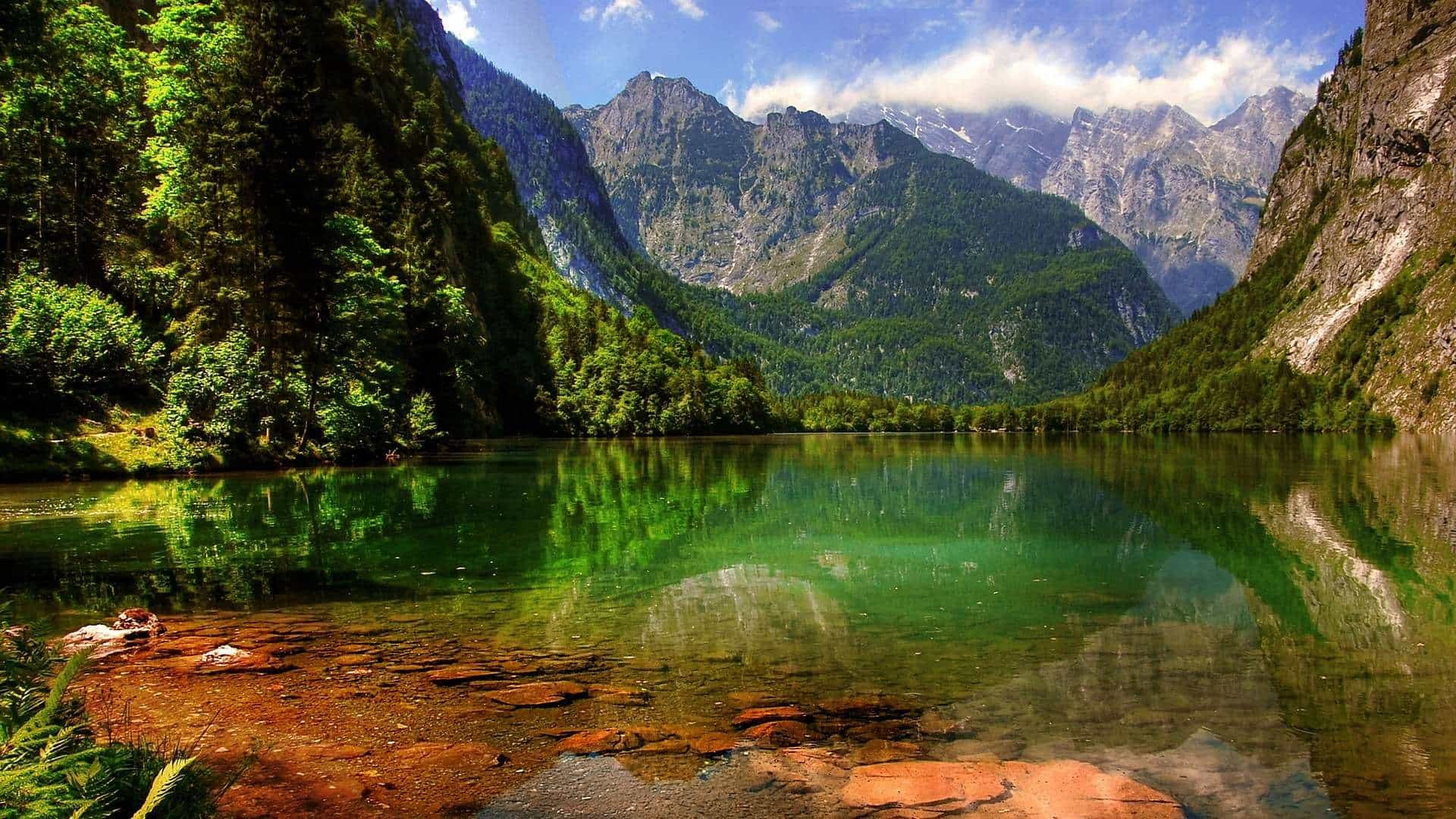
a picture of mountains in germany
(source: yahoo images)

Typically, when you hear “human rights” in a sentence, it is either preceded or followed by words with negative connotations — crises, violations, atrocities, etc. However, this blog will aim to highlight positives and focus on the environment. 

After reading many articles about environmental issues, some people might be unaware that we have made environmental progress throughout the year. As the Earth is home to all humans, any sort of environmental success, no matter how small, benefits the human species as a whole.

The Ozone

a picture of earth from space
(source: yahoo images)

Perhaps one of the most remarkable environmental victories was the recovery of the Ozone layer. The Ozone layer is located in Earth’s atmosphere and is responsible for blocking excess ultraviolet light from reaching life on Earth. Without the Ozone, the ultraviolet radiation would harm all life on earth, including plants.

In 1985, scientists discovered what seemed to be a hole forming in the Ozone. If the formation of this hole had not been stopped, the Ozone  could have depleted significantly enough to allow ultraviolet radiation to penetrate Earth’s atmosphere and reach life on Earth.

The Ozone layer was depleting due to human emissions of chlorofluorocarbons, which are found in refrigerators, air sprays, and other common items which humans use.

While chlorofluorocarbons pose a menacing threat to the environment, thankfully in 1987, almost 200 nations signed the Montreal Protocol, which prohibited the use  and production of items containing chlorofluorocarbons. 

This act of international cooperation proved to be beneficial, as the Ozone recovered significantly in the coming years. In fact, the United Nations (UN) predicts that by 2035, the Ozone will be fully replenished in the Arctic and Northern Hemisphere.

This is why swift actions of nations are vital to correct threats to the environment.  This collaborative effort by the nations to join forces to solve this issue with the Ozone makes it one of the most remarkable environmental successes of all times?

The Rise of Environmentally-Friendly Fuel

a picture of a chevron gas station
(source: yahoo images)

Another environmental success was one that originated in the United States in the 1970s. The United States (US) decided to federally ban the use of a certain type of lead in gasoline which had potent toxins encoded within it.

After the US ban, Canada and some European nations followed suit. Again, due to this combined effort, lead levels dropped from the air, which resulted in a decrease in respiratory diseases invoked by lead..Additionally, evidence of lead levels decreased in human blood, allowing gasoline users (which was anyone who drove a car or made contact with gasoline) to live healthier lives.

Needless to say, the  international effort to stop using lead gasoline was a great environmental success for lead gasoline, according to what the  World Health Organizations once deemed was “the mistake of the 20th century.” 

Renewable Energy

a picture of windmills
(source: yahoo images)

While gas that does not contain toxic lead surely is a success; not using gas at all is even a greater  success. Gas and fossil fuels will inherently create pollution, which will eventually harm the environment, regardless of how eco-friendly the gas/fossil fuel happens to be.

However, recently, there has been more of a push than ever for renewable energy rather than rely on fossil fuels for energy. Many nations have started utilizing solar and wind power, both which do not harm the environment.

This push for renewable energy has allowed it to become more accessible and the prices low. In fact, since 2010, the cost of installing solar power has decreased by 85% and the cost of wind power has fallen by 50% so renewable energy is now cheaper than fossil fuels. This is a major accomplishment for all of humankind. We have reached a point where fossil fuels, which are harmful to the environment,are rarely used in comparison to renewable energy. Years ago, many would have viewed this change as an impossible feat. However, an impossible feat it is not, it is another environmental victory.

The Bottom Line

trees in sweden
(source: yahoo images)

While this blog only lists a couple environmental successes, they are by no means the only ones. Throughout the years, there have been hundreds of success stories that have helped keep our environment healthy and prosperous.

However, even with these successes in mind, environmental problems are still incredibly prevalent. Global warming, despite all of the successes mentioned, still prevails.

These environmental problems are dire, and they need to be solved as soon as possible. Thankfully, as we have seen happen throughout the years, environmental problems can be solved. 

It is for those reasons that it is important to make note of environmental successes. It is not simply just for peace of mind—it is so that we are all well aware that we have been able to solve problems in the past, so this should inspire us to continue tosolve problems in the future.

As our Earth grows older, it is plausible that it might face more dangers and we are capable of overcoming environmental threats. While the Earth indeed grows older, so do we. As our technology advances, we should be confident that we are equipped to handle the environmental  challenges that come our way.  

Profile in Justice : Catherine Coleman Flowers

Activists come in many forms. An activist can be defined roughly as “one who advocates or practice activism a person who uses or supports strong actions (such as public protests) in support of or opposition to one side of a controversial issue“. Activists may be seen as nuisances or annoyances to society at large, but their perseverance as changemakers drive society forward by bringing attention to the real issues that affect marginalized groups within our society. Alabama, a southern state with a rich and diverse history, has produced many an activist. There are a multitude of reasons for this, including Alabama’s long history of racial injustice and other issues which affect the working class. Alabamian activists include titans of American history such as Rosa Parks, famous civil rights activist, and Hellen Keller, author and disability rights activist. Despite Alabama’s current national reputation as a backwards and deeply conservative state, many Alabamian activists are fighting the deep inequality still present in our state. One such activist is Catherine Coleman Flowers, who came upon the defining issue of her advocacy “by accident”.

Catherine Flower
Catherine Coleman Flowers is an Alabama native and environmental advocate who has spent over twenty years fighting environmental racism after discovering horrific sanitation conditions in Lowndes County, Alabama. SOURCE : Yahoo! Images

Crisis in Lowndes County

In the early 2000s, Flowers was working as an economic consultant in Lowndes County, Alabama. Lowndes County is a historically black county in rural Alabama, and was part of the route during the historic civil rights march between Selma and Montgomery in 1965. Visiting with some of her constituents over threats of eviction and arrest, Flowers was shocked to find “a stream of brown fluid flowing down the road…a pool of dark foul-smelling effervescent water that had collected around a pipe running from the church” that she was visiting. She quickly discovered that Lowndes County, deeply entrenched in generational poverty and harsh neglect from local officials, had a severe lack of public sanitation. Flowers was shocked to discover that the burden of sanitation needs fell on residents, and private septic tanks were often beyond the means of Lowndes County residents. In what she later came to call “America’s dirty secret”, Flowers was seeing that basic sanitation was not a guarantee for all citizens in the wealthiest nation in the world.

Flowers, who quickly reported the incident, saw little action from the “predominantly white and Republican-controlled local government”, who instead continued to threaten Black families in Lowndes County with eviction or even jail time. While shaken by the horrific sight, it set Flowers on a path of working towards environmental justice for BIPOC Americans. She states that her mission is to “expose the reality of life for the rural poor, and the racism and negligence that lies behind it”, saying “We see this as a third world problem, whereas in actuality it is right among us in a country that has allowed such inequality to exist since our founding as a nation”.

As Flowers continued her work, she came across more and more violations of human dignity. She spoke with the mother of an autistic child who was being threatened with jail time because she did not have a septic tank, though the cost of installation was more than ten times that of her monthly income. Other families she spoke with had no proper air conditioning or heating systems, and would huddle together in the winter time to keep warm. After one house call in which she came in close contact with an open septic pool filled with mosquitoes, Flowers developed a severe rash over her entire body, and she began to wonder if tropical diseases, which are considered extremely rare in the United States, may be affecting people in Lowndes County.

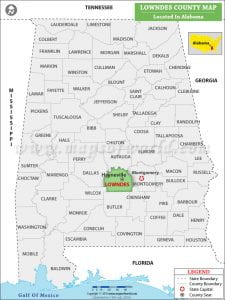
lowndes county map
Lowndes County is a historically black county located in rural, Central Alabama. Lowndes County was part of the route between Selma and Montgomery during the historic 1965 Civil Rights March. Today, over 90% of Lowndes County residents do not have access to proper sanitation. SOURCE : Yahoo! Images

International Attention and Continued Advocacy

Flowers organized a scientific study to reveal the affects of improper sanitation of the health of residents within Lowndes County. Horrifying results awaited her. The study found that “34% of those surveyed tested positive for genetic traces of hookworm, a parasite that thrives amid poverty and that had been thought to have been eradicated from the US in the early 20th century”. The disease is thought of as normally associated with central and southern Africa and Asia, and is known to have lasting negative effects on physical and cognitive growth in children. Hookworm treatment, which normally consists of one dose of albendazole, has a high cost in the United States and is unattainable for many residents of Lowndes County. Flowers confirmed her dark theory with this study, and her advocacy for the end of discrimination against poor, Black Americans in rural counties led to a wake-up call for America. Through Flowers’ work and advocacy, the United Nations became involved in an investigation of extreme poverty that centered around Lowndes County, Alabama, as well as areas in California, West Virginia, and Puerto Rico. Despite criticisms from those in local government, Flowers continues to work towards eradicating the “deeply ingrained inequality” in our nation, authoring a book entitled Waste: One Woman’s Fight Against America’s Dirty Secret. Flowers has also founded an advocacy group – the Center for Rural Enterprise and Environmental Justice. Many prominent figures in U.S. politics, including former Vice President Al Gore and U.S. Senators Cory Booker and Bernie Sanders have taken Flowers up on the offer to tour Lowndes County, increasing awareness for the extreme poverty that still exists in our nation today.

Over twenty years into her fight, Flowers has still not seen the changes she has been fighting for across America. Figures from 2021 state that over 90% of Lowndes County residents still do not have access to proper sanitation. Flowers has also seen the issues of environmental justice extend beyond even Alabama or the southern United States, seeing issues in all American locales where poverty and public neglect continue to coexist. Despite this, Flowers continues to advocate for the rural poor across America. The beginning of the 2020’s decade has been marked with cautious optimism, as day one of the Biden administration saw several executive orders aimed at reversing the Trump administration’s anti-environmental legacy.

The Restoration of the Everglades: A Big Win for Environmental Rights

Just like many who grew up in the Southern United States, I spent much of my childhood outside. I was born in a suburb of Birmingham, and as a child, I would play in the Cahaba River and bask in the beauty of the short leaf pines and oak trees that towered high in magnificent forests.

I may not have known it then, but my ability to enjoy the natural beauty of my home in an unaltered way was not being protected in a concrete way. As our environment continues to degrade from the ongoing climate change disaster, human rights activists have begun championing environmental rights. Eloquently defined by the Pachamama Alliance, environmental rights can be understood as “an extension of the basic human rights that mankind requires and deserves. In addition to having the right to food, clean water, suitable shelter, and education, having a safe and sustainable environment is paramount as all other rights are dependent upon it.

2021 brought lots of bad news for the environment. Despite much more attention from activists and the general public alike, promises from the United Nations Climate Change Conference 2021 (also known as COP26) seem to ring empty, as nations who pledged to cut emissions continue to approve new fossil-fuel based plants for power generation.

Despite this, it is important for activists to celebrate victories, however small their size or infrequently they occur. In the United States, this week marked a huge victory for the restoration of the Everglades

Depicts Everglades
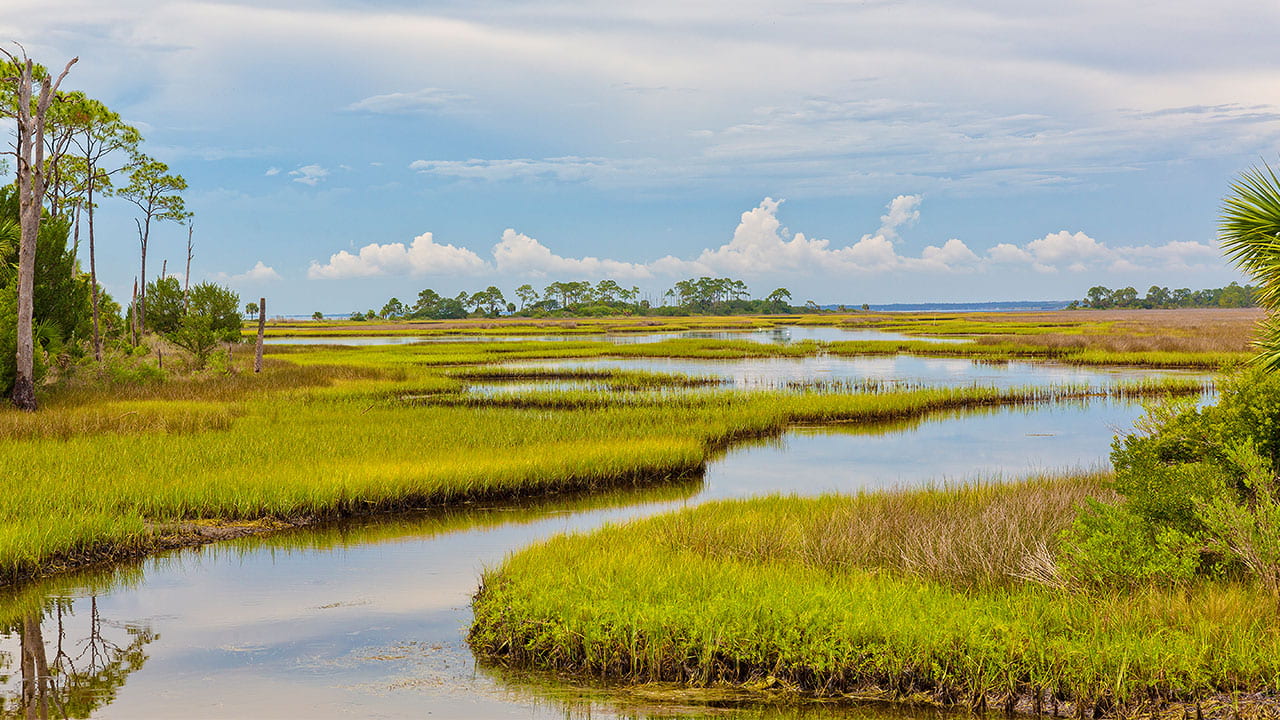
A picturesque view of the Florida Everglades. SOURCE : Yahoo! Images

The Everglades, a History

The Everglades, an ecosystem in southern Florida, has been called “one of the world’s most unique and fragile ecosystems”. Many people believe that the Florida Everglades is a swamp ecosystem, though this is just a popular misconception. In reality, the Everglades is actually a slow-moving river flowing over an area 40 miles wide by 100 miles long.

The Florida Everglades was formed over many thousands of years, creating a delicate balance of ponds, marshes, and forests. The Everglades have been inhabited for at least 14,000 years by human beings with the arrival of the first indigenous peoples to the area. When European settlers first arrived to the area in the early 1800s, the Everglades were considered little more than a “worthless swamp”, and work to drain the wetlands of the Everglades quickly began. By the early 20th century, much of the Everglades was in the process of being converted to farmland, and this stimulated the first “land boom” in Southern Florida.

As the Everglades began to shrink, Florida’s population began to boom as cities like Miami and Fort Lauderdale grew, increasing the demand for housing and fueling further destruction of the Florida Everglades.

As the American environmental movement began in response to extreme environmental degradation across America and the extremely important work of early climate activists such as Rachel Carson (whose 1962 publication of Silent Spring is to this day considered to be a milestone of modern environmentalism), activists began to realize the extreme importance of the Florida Everglades. According to the Naples, Florida Travel Guide, “People like author and activist Marjory Stoneman Douglas who organized the Friends of the Everglades in the 1960s to battle the federal government’s plan to build an airport in the Everglades”, which thankfully worked. Activists like Douglas helped preserve the Everglades the best they could, allowing us to begin restoration work on the Everglades.

It is also worth noting that the Everglades have been classified as a national since 1947, entitling the wetlands to federal protection and further bolstering the Everglades as one of America’s most sacred national treasures.

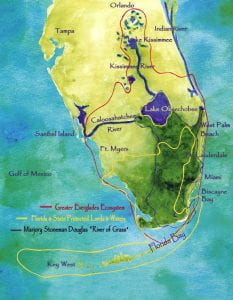
Shows map of everglades
A map of the natural range of the Everglades, courtesy of the Everglades Foundation. SOURCE : Yahoo! Images

The Everglades Today

Once sitting at over 4,000 square miles in size, deforestation and environmental degradation have reduced the Florida Everglades to about half of their original size. The number of endangered species in the Everglades, both flora and fauna, continues to increase at an alarming rate. Among these endangered species is the Florida Panther, which now occupy less than five percent of their historic range, which once included the entirety of the Southeastern United States. It is thought that less than one hundred Florida panthers exist in the United States today.

One of the largest threats to wildlife species in the Everglades is the introduction of invasive species to the area. These non-native species are often accidentally introduced by human beings, and they can quickly destroy the balance of a delicate ecosystem, such as the Everglades. One of the most famous invasive species in the Florida Everglades is the Burmese Python, which was believed to be introduced into the area by Hurricane Andrew, a category five storm which struck Florida in 1992, destroying a python breeding facility and releasing dozens of snakes into the surrounding Everglades.

Shows when funding was added
A picture of President Biden signing the Bipartisan Infrastructure Bill into law. The historic allocation of funding towards the restoration of the Everglades came from this bill. SOURCE : Yahoo! Images

A Historic Investment into the Everglades

On January 19, 2022, the Biden Administration announced a historic $1.1 billion allocation of funds towards the restoration of the Everglades. The funding will come from the Bipartisan Infrastructure Bill, which was signed into law by President Biden on November 15 of last year. An announcement by the White House declared that this allocation was “The largest single investment ever to restore and revitalize the Everglades in Florida”.

The announcement was seen as a huge political victory for the bipartisan Everglades Caucus, which is currently co-chaired by U.S. Representative Debbie Wasserman Schultz (D-FL) and U.S. Representative Mario Diaz-Ballard (R-FL). Representative Schultz released a statement following the historic announcement highlighting the importance of the restoration of the Everglades :

The Everglades is the lifeblood of South Florida, and this historic funding commitment by the Biden Administration will ensure we can much more aggressively move to restore and protect the natural sheet flow of water that is the largest environmental restoration project in American history. The Florida Everglades is a vital source of drinking water and essential to combat climate change and this massive infusion of funding will have the added benefit of creating more jobs,” showing the real human opportunities that will be created by this new investment.

Restoration of the Everglades will also help ensure continued access to clean drinking water for Florida’s population. The Everglades currently provides water to over eight million people across the state. Activists across the state remain cautiously optimistic as the plan will begin to come into effect later this year. The future for one of the world’s most fascinating ecosystems appears to be finally be headed in the right direction, ensure access and protection for our descendants.

People of Color Live Disproportionately Close to Superfund Sites

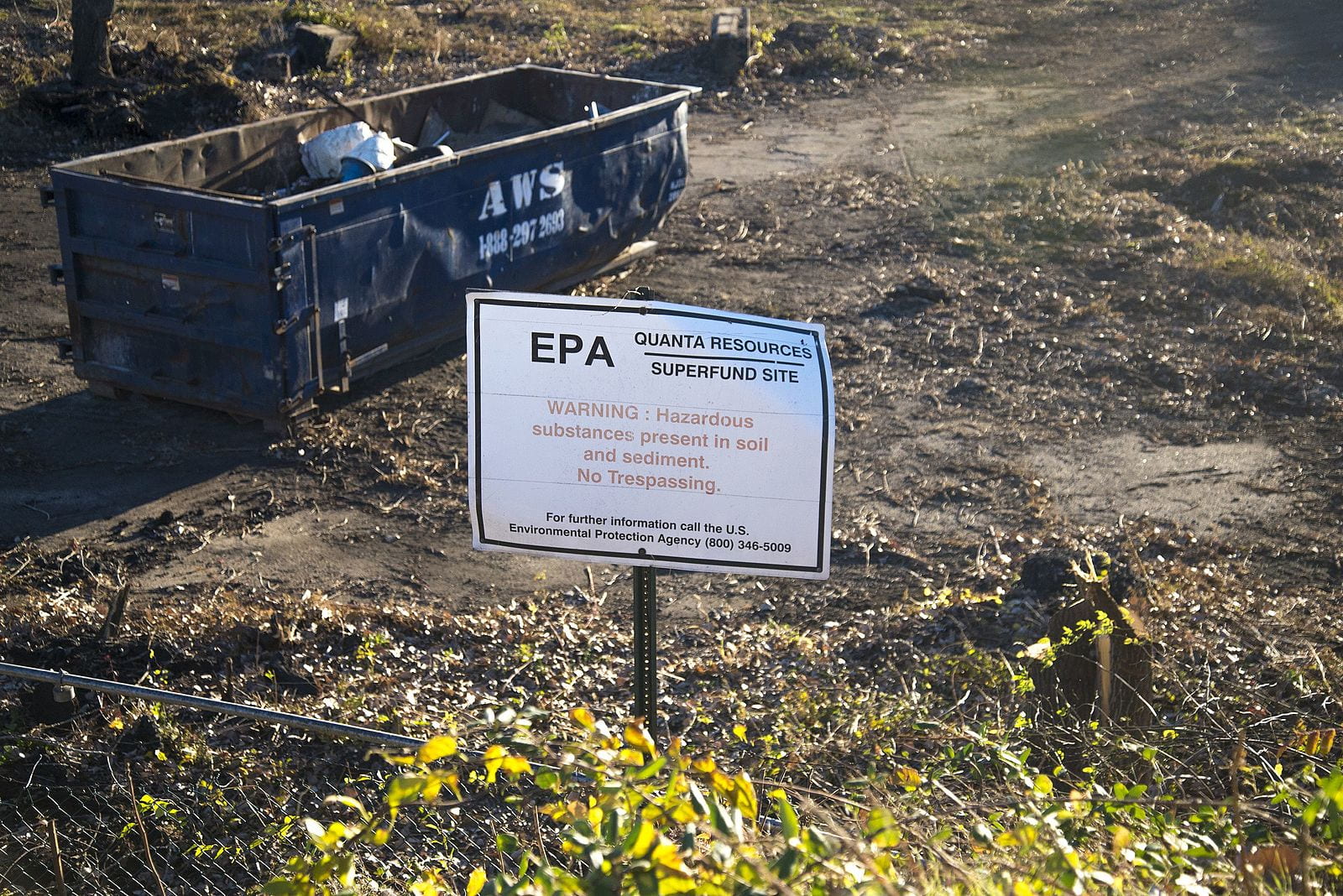
dirt field with a dumpster and a sign that reads "EPA Quanta Resources Superfund Site. Warning: Hazardous substances present in the soil. No trespassing.
Quanta Resources Superfund Site. Source: Anthony Albright, Creative Commons.

As a Public Health major, I am often looking at disparities and inequities in the distribution of poor health. Environmental justice, which can be defined as “the fair treatment and meaningful involvement of all people with respect to the development, implementation, and enforcement of environmental laws, regulations, and policies” is one topic I’ve learned about in many classes because of the significant impact the environment has on health. Unfortunately, the color of one’s skin plays a large role in their likelihood to live and work in an area that has an unhealthy environment, and the history of people of color unknowingly living and working in areas that are hazardous is long.

The Memphis Sanitation Strike started the environmental justice movement in February of 1968 when sanitation workers in Memphis, TN organized a strike to protest unfair treatment and the effects on their health. The workers had been receiving less pay than their white coworkers, while also doing the more dangerous work. Before the beginning of the strike, two black men had been killed by the trash compactor during work. The movement eventually lead to a recognized union and higher pay. This was not the first instance of environmental racism. However, it was one of the first time that head way was made when it comes to equality and equity.

The most famous example of a fight for environmental justice, Love Canal, seems to have few people of color as part of the story as many of the vocal people involved were white women. After heavy rain fall in 1978, residents of Love Canal, NY, noticed that there was a bad smell in the air, children were returning home after playing outside with burns on their skin, and babies were being born with birth defects at a very high rate. They didn’t know that toxic chemicals had seeped from the chemical waste dump they had built their homes and school on.

However, there was a federal housing project in the area as well that housed mainly people of color, and their voices were overshadowed by people like Lois Gibbs. The movement to move people out of the hazardous area did not extend to moving the people living in the federally funded housing to a safer area even though they were affected by the hazardous waste just as significantly. Luckily, both groups were able to relocate and receive compensation for the health effects.

While the Memphis Sanitation Strike and Love Canal both happened over 40 years ago, the environmental injustice experienced during those times has not completely gone away. Today people of color and low-income individuals are still more likely to live and work in hazardous areas. Most Superfund sites, which are areas that have been deemed severely environmentally contaminated, are within one mile of federally funded housing. Even more disturbing, a disproportionate amount of these families are people of color.

The disproportionate placing of federally funded housing, and therefore low-income communities of color, into environmentally hazardous areas stems from systematic racism, or more specifically, a Not In My Backyard (NIMBY) mentality held by higher-income white communities. No one wants to live near a hazardous waste site, a factory that releases toxic fumes, or a stinky landfill. However, the people with the power to say no get their way while the people who are already more likely to have health risks are placed in dangerous situations.

A larger problem is that low-income communities and communities of color have been not listened to. In northern Birmingham, AL a recent study showed that a coke mill on a Superfund site has been releasing carcinogenic chemicals in the air for years. Many residents have severe respiratory problems, such as asthma, and now can’t survive without many medications. However, the EPA didn’t catch the extremely high levels of rarer toxins in the air because they don’t typically test for those. It took a study from a nongovernmental organization to expose the harm that the coke mill was doing to this community.

No one wants to live somewhere that is going to make themselves or their family sick, and they shouldn’t have to. While the United States has made progress towards environmental justice over the past 40 years, there is still a long way to go. Superfund sites were created in 1980, but most of the current public housing was created before then. New federally funded housing should not be put near hazardous areas like Superfund sites, and we should work on solutions to clean up Superfund sites near federally funded housing or moving that housing . By reducing the number of housing projects near hazardous waste and taking note when a whole community gets sick, we will begin to move towards racial and income equity when it comes to the environment we live and work in.