CGDS Team Publishes Study Supporting Distinct Molecular Mechanisms Underlying ME/CFS

We are excited to share a new paper from the lab and collaborators examining myalgic encephalomyelitis/chronic fatigue syndrome (ME/CFS) using an individualized, n-of-1 genomic and transcriptomic framework. The study was led by Camille Birch, PhD, Brandon Wilk, Manavalan Gajapathy, Shaurita D. Hutchins, Gurpreet Kaur, Donna M. Brown, Tarun Mamidi, PhD, MS, Kathleen S. Hodgin, Alp Turgut, Jarred Younger, PhD, and Elizabeth A. Worthey.

ME/CFS is a disabling and heterogeneous condition with no validated biomarkers and limited therapeutic options. Clinical variability and unclear pathophysiology have constrained progress in diagnosis and treatment. In this work, we tested whether integrating individual-level genomic and transcriptomic data with deep, participant-informed phenotyping could uncover molecular signatures unique to each patient.

Our findings support the idea that a subset of ME/CFS cases may represent distinct molecular disorders that converge on shared physiological pathways. Importantly, the study suggests that simply increasing cohort size may not be sufficient to resolve causation in a disease defined by rarity, heterogeneity, and molecular complexity. Instead, progress will likely require experimental designs that prioritize individual-level molecular data, rare and common variant effects, and environmental modifiers.

This work motivates a precision medicine framework for ME/CFS that can enable biologically informed stratification, improved trial design, biomarker discovery, and targeted interventions.

We are actively seeking collaborators to extend this approach to much larger and more diverse cohorts. If you or your organization is interested in partnering on future studies, we would welcome the opportunity to connect.

Read the paper at https://link.springer.com/article/10.1186/s12967-025-07586-w.

UAB’s Center for Precision Animal Modeling Receives Continuing NIH Support

The UAB Center for Precision Animal Modeling (CPAM) has received renewed NIH funding (Grant No. 2U54OD030167-06) through 2030 to expand its efforts in modeling human genetic disease. This continuation supports the next phase of the Center’s work (CPAM2.0), enhancing its established framework for variant interpretation, disease modeling, and therapeutic discovery.

The Bioinformatics Section, led by Dr. Liz Worthey, will enhance CPAM’s computational framework through new applications of machine learning, generative AI, and cross-species analysis. This includes expanding Rosalution, which streamlines data integration, variant curation, and collaboration across CPAM teams. The renewed funding underscores CPAM’s role in translating genomic findings into actionable insights that accelerate diagnosis and treatment for rare diseases.

CGDS & U-BDS Co-Host July 2025 Software Carpentry Python Workshop at UAB

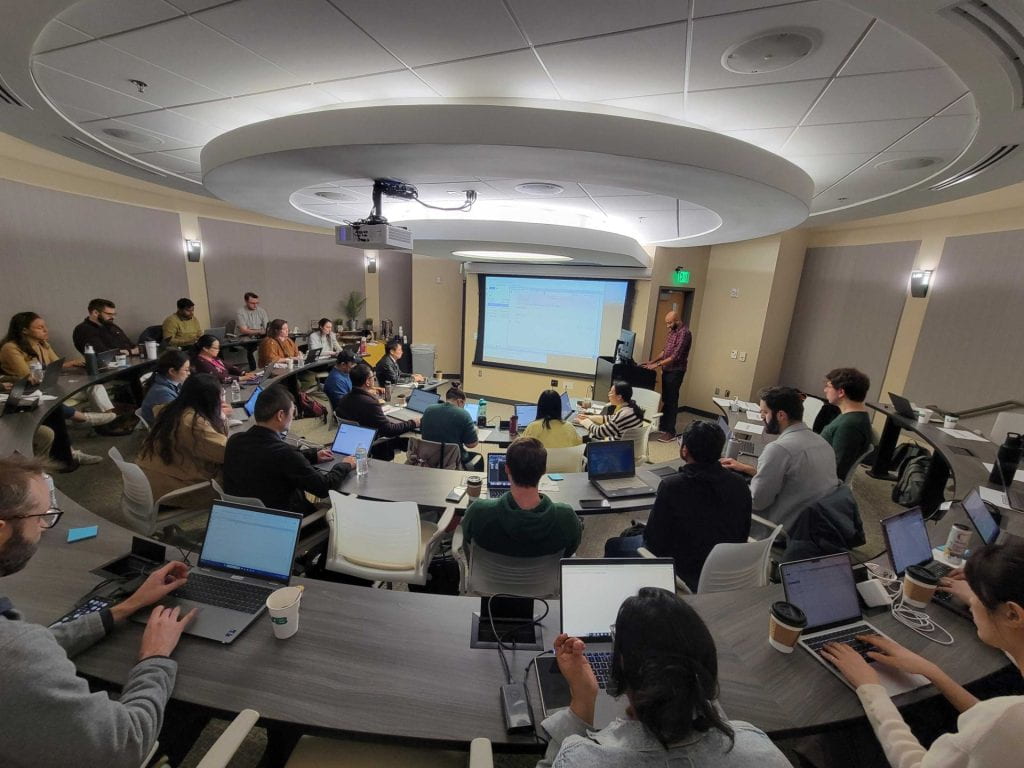
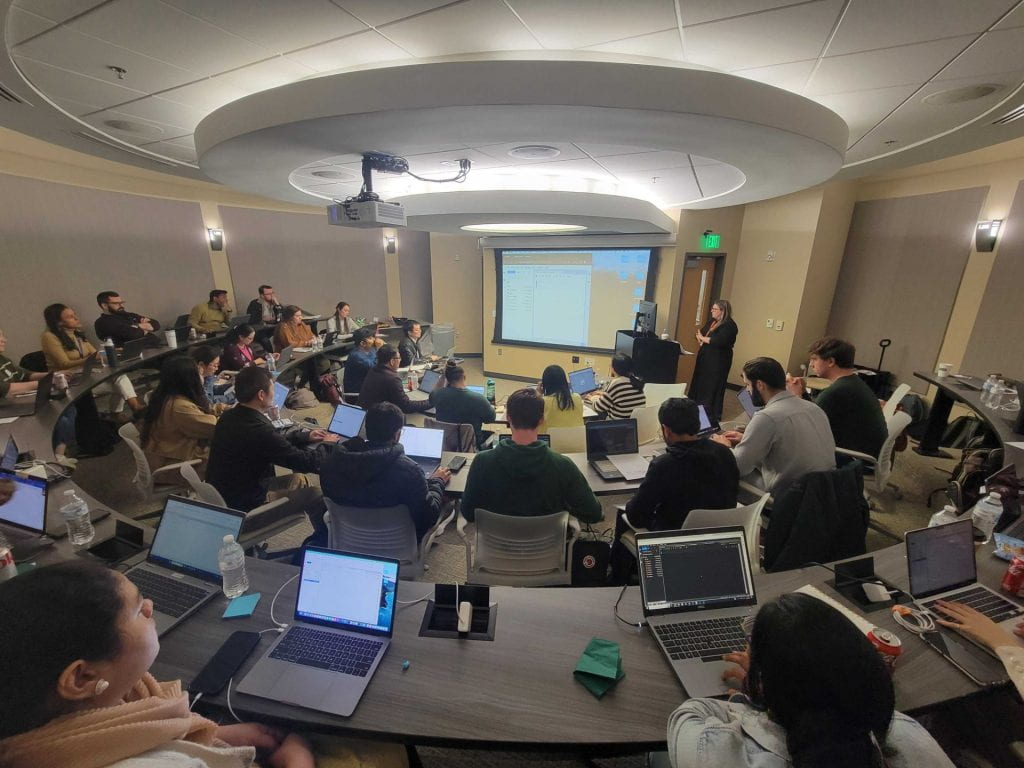
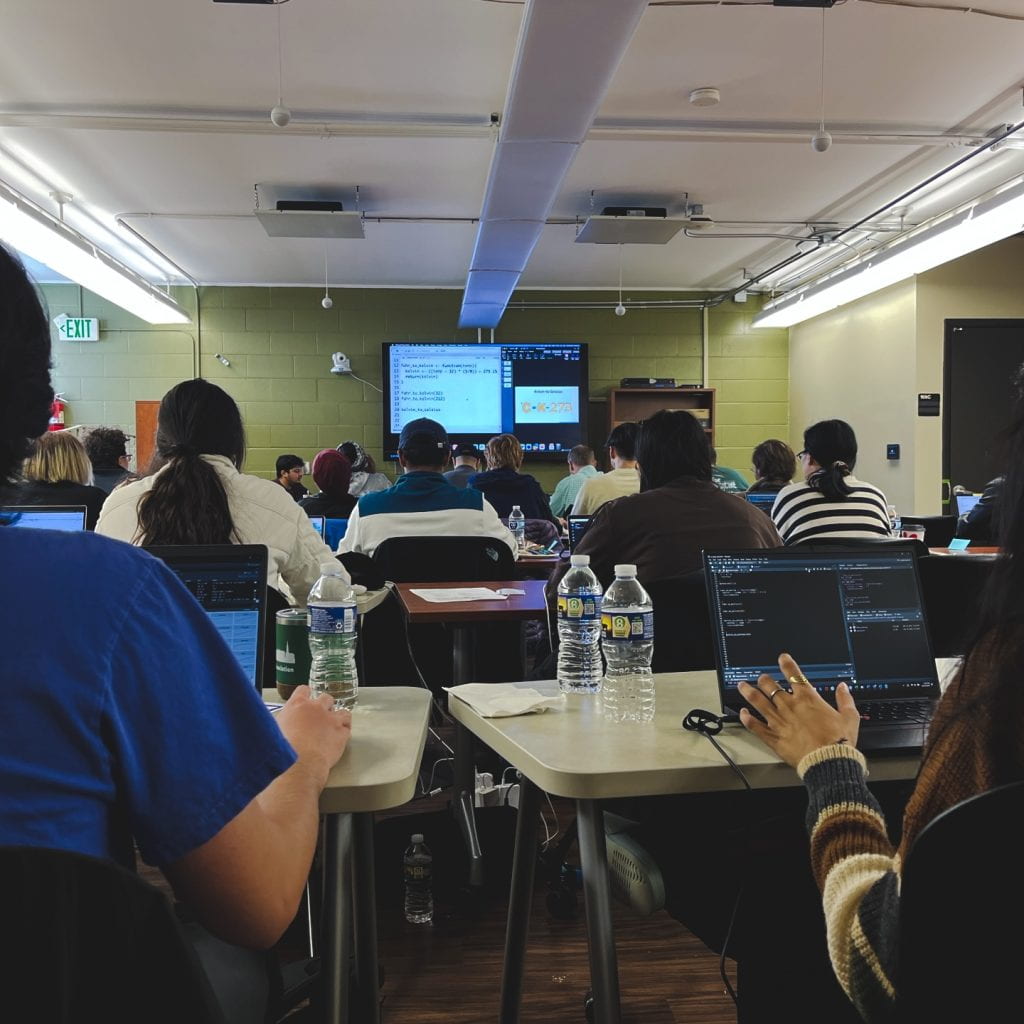
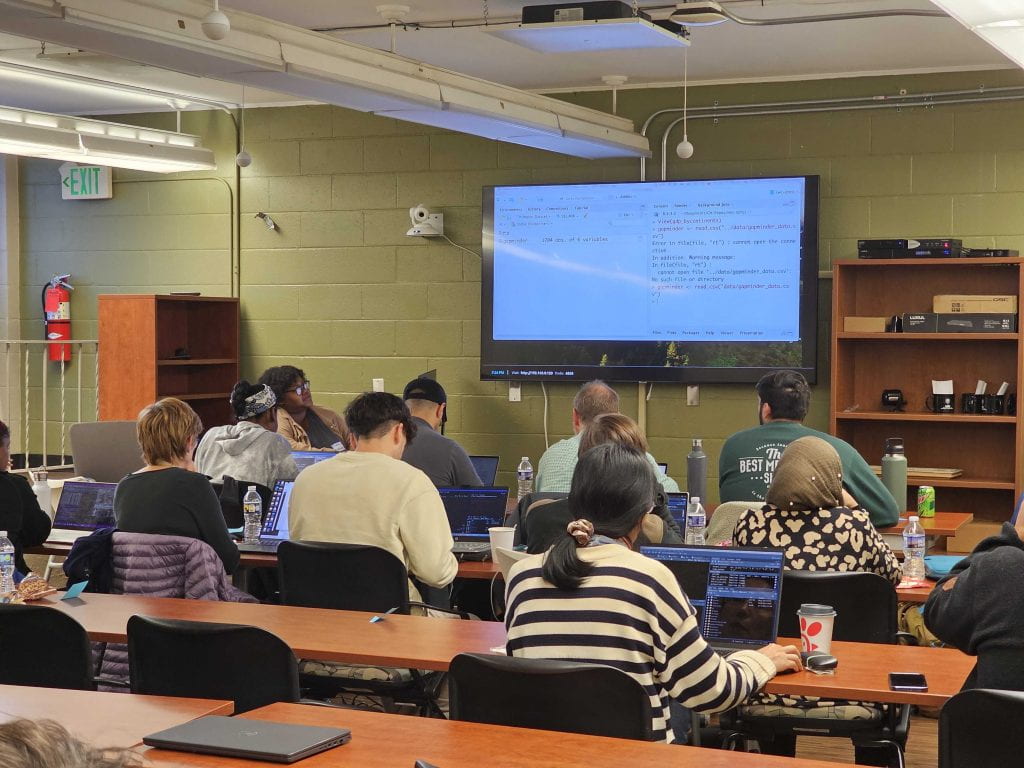
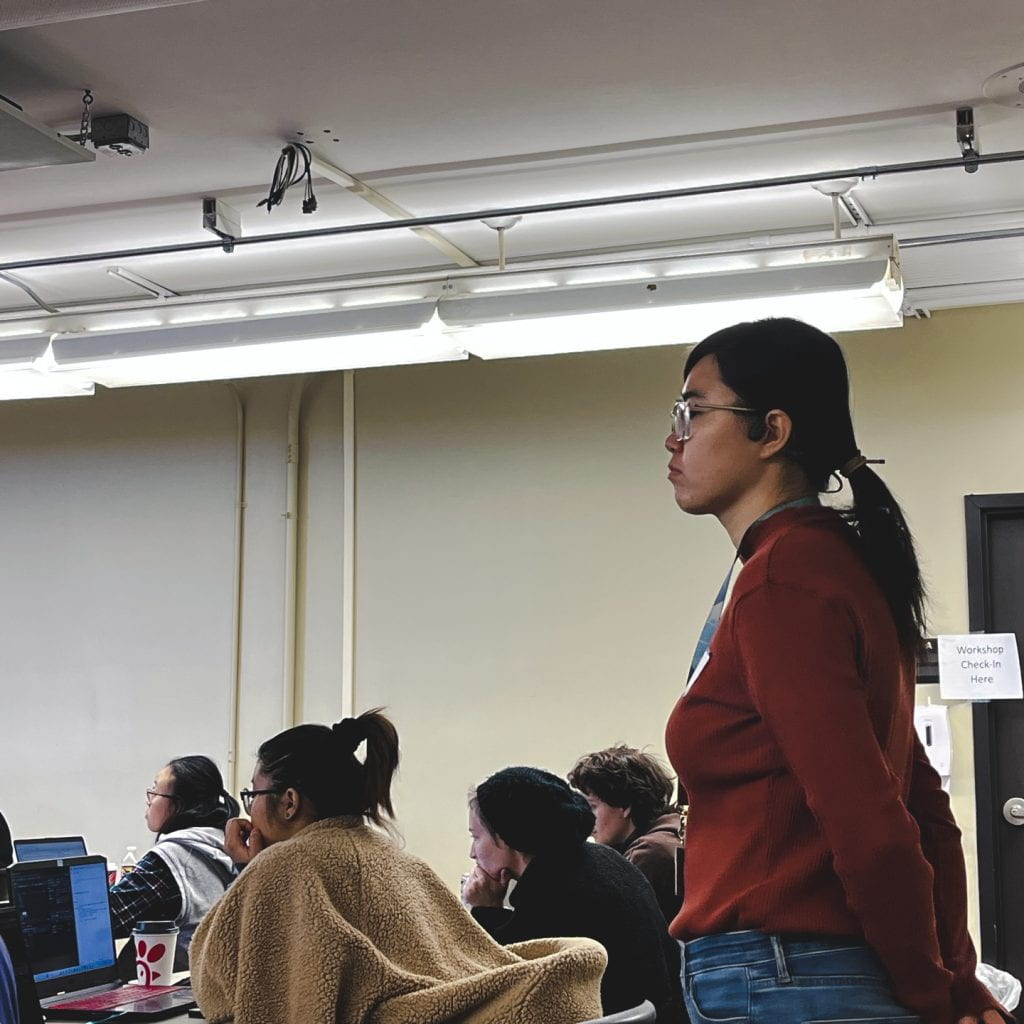
On July 9–10, 2025, CGDS and U-BDS co-hosted a Software Carpentry Python Workshop at the University of Alabama at Birmingham. The event welcomed over 40 students and staff from diverse disciplines to build core programming skills vital for computational and data-intensive research.

The two-day hands-on training covered the Unix shell, Python programming, and version control with Git. Participants worked through structured lessons designed to support reproducibility and best practices in scientific computing.

Instructors: Angelina Uno-Antonison, Austyn Trull, Brandon Wilk, Shaurita D. Hutchins

Helpers: James Scherer, Manavalan Gajapathy, Rabab Fatima

To learn more or review workshop materials, visit the full site at: https://u-bds.github.io/2025-07-09-uab/

Congratulations to Dr. Tarun Mamidi!

We are thrilled to celebrate Dr. Tarun Mamidi, who graduated from UAB on Saturday, December 14th.

Dr. Mamidi defended his dissertation, “Improving Molecular Diagnosis Success Rates and Prognosis Prediction for Patients With Rare Diseases,” in June 2024.

He will begin his new role as a Bioinformatics Scientist at Children’s Mercy while continuing as a consultant in our lab.

We wish you continued success in your career, Tarun!

CGDS Researchers Present Work at CSHL Biological Data Science Meeting

Two researchers from the Center for Computational Genomics and Data Science (CGDS) recently showcased their work at the prestigious Cold Spring Harbor Laboratory (CSHL) Biological Data Science Meeting, held November 13-16, 2024. This meeting, known as #CSHLData24, brings together experts from across the globe to discuss advances in computational biology and genomics.

Dr. Gurpreet Kaur, a Scientist III at CGDS, presented her project titled “Integrative Genomic Characterization of a Rare Pediatric Differentiated Thyroid Cancer.” This project is a collaborative effort to understand the genomic underpinnings of a rare thyroid cancer in pediatric patients.

Shaurita D. Hutchins, a PhD trainee at CGDS, presented a poster titled “Identification of Drug Targets in Pulmonary Arterial Hypertension Using Gene Expression Signature Reversal & Mechanism of Action.” Her attendance was supported by a scholarship from the JXTX Foundation, which “provides support for students to attend conferences in computational biology and data science.”

CGDS is proud to have its researchers contributing to discussions at leading scientific gatherings. The work presented at #CSHLData24 reflects the lab’s commitment to advancing computational biology.

Learn more about the CSHL Biological Data Science Meeting.

CGDS and Rosalution Featured in NIH Research Highlights

We’re excited to share that our lab’s work was featured in the NIH Research Highlights post on the University of Alabama at Birmingham’s (UAB) Center for Precision Animal Modeling (C-PAM). This recognition underscores our contributions to advancing precision disease modeling, a field at the forefront of personalized medicine.

C-PAM is one of three U54 centers established under the NIH Precision Disease Modeling Initiative, focused on creating advanced animal models for precision therapies targeting complex disorders like ciliopathies and Roberts syndrome. Our tool, Rosalution, plays a key role in these efforts, helping link unique human genomic variants to disease with high-throughput, cost-effective pipelines.

This recognition highlights our lab’s commitment to developing innovative tools that enhance our understanding of disease mechanisms and empower clinicians and researchers.

Read more about the initiative and C-PAM’s work here.

CGDS Trainee Presents at 2024 PWS Research Symposium

Brandon Wilk, a doctoral trainee in Genetics, Genomics, and Bioinformatics, gave an oral presentation at the 2024 Prader-Willi Syndrome (PWS) Research Symposium. His talk, “A Patient-Centered WGS-Driven Pilot Study: What Clinically Useful Knowledge Can We Gain from WGS?”, focused on the potential of whole-genome sequencing to provide meaningful insights for improving care in PWS. This work emphasizes the value of leveraging genomics to address patient-specific challenges.

Congratulations to Brandon for representing our lab and contributing to advancing PWS research!

CGDS Scientist Receives GREGoR Consortium Grant Award

The GREGoR Consortium has announced the recipients of the 2024 Deborah Nickerson Memorial Awards, celebrating initiatives to enhance workforce diversity in genomics research. Among the distinguished awardees is Dr. Gurpreet Kaur, a Scientist III at the Center for Genomic Data Science (CGDS), University of Alabama at Birmingham. Dr. Kaur has been honored with an educational award to support her professional development and contribution to the genomics community.

As part of this recognition, Dr. Kaur will participate in the Skills for Health and Research Professionals (SHARP) Training in Quantitative Genomics hosted by Columbia University’s Mailman School of Public Health. This training will bolster her expertise in quantitative genomics and align with GREGoR’s mission to drive inclusivity and innovation in solving unsolved rare genetic diseases. Congratulations to Dr. Kaur and all the awardees for their contributions to advancing genomics research!

Learn more about the awardees and the GREGoR Consortium’s efforts to support workforce diversity in genomics research: 2024 GREGoR Consortium Awardees.

CGDS and U-BDS Host Python-Focused Carpentry Workshop

CGDS and U-BDS recently hosted a Software Carpentry Workshop on March 18-19, 2024, drawing researchers eager to enhance their computational skills for more efficient and effective research practices. Led by a distinguished team of instructors — Manavalan Gajapathy, Bharat Mishra, Samuel Bharti, Austyn Trull, and Angelina Uno-Antonison, with James Scherer assisting — the workshop explored fundamental concepts essential for navigating the challenges of modern research. Participants were taught about bash shell, Python, and version control with git.

Learn more about the workshop at: https://u-bds.github.io/2024-03-18-uab/.

CGDS and U-BDS Host R-Focused Carpentry Workshop


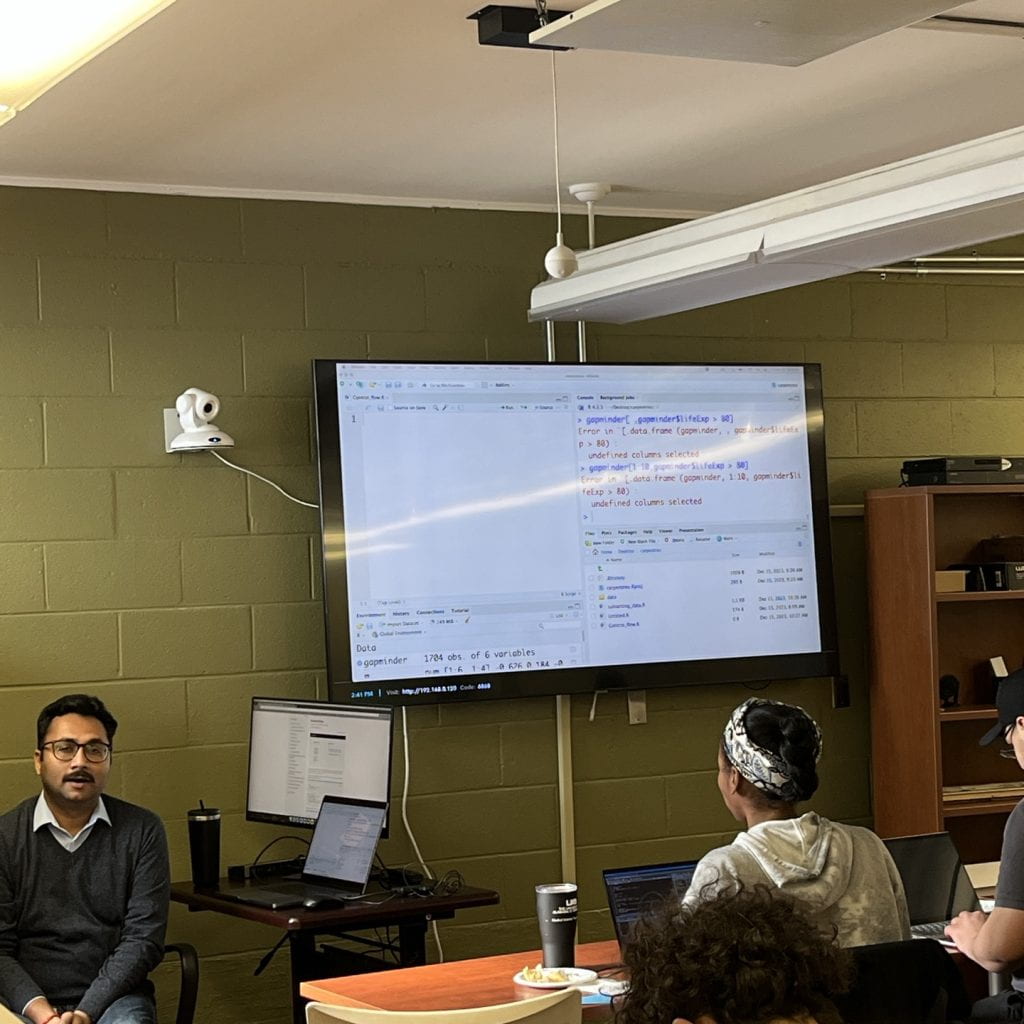
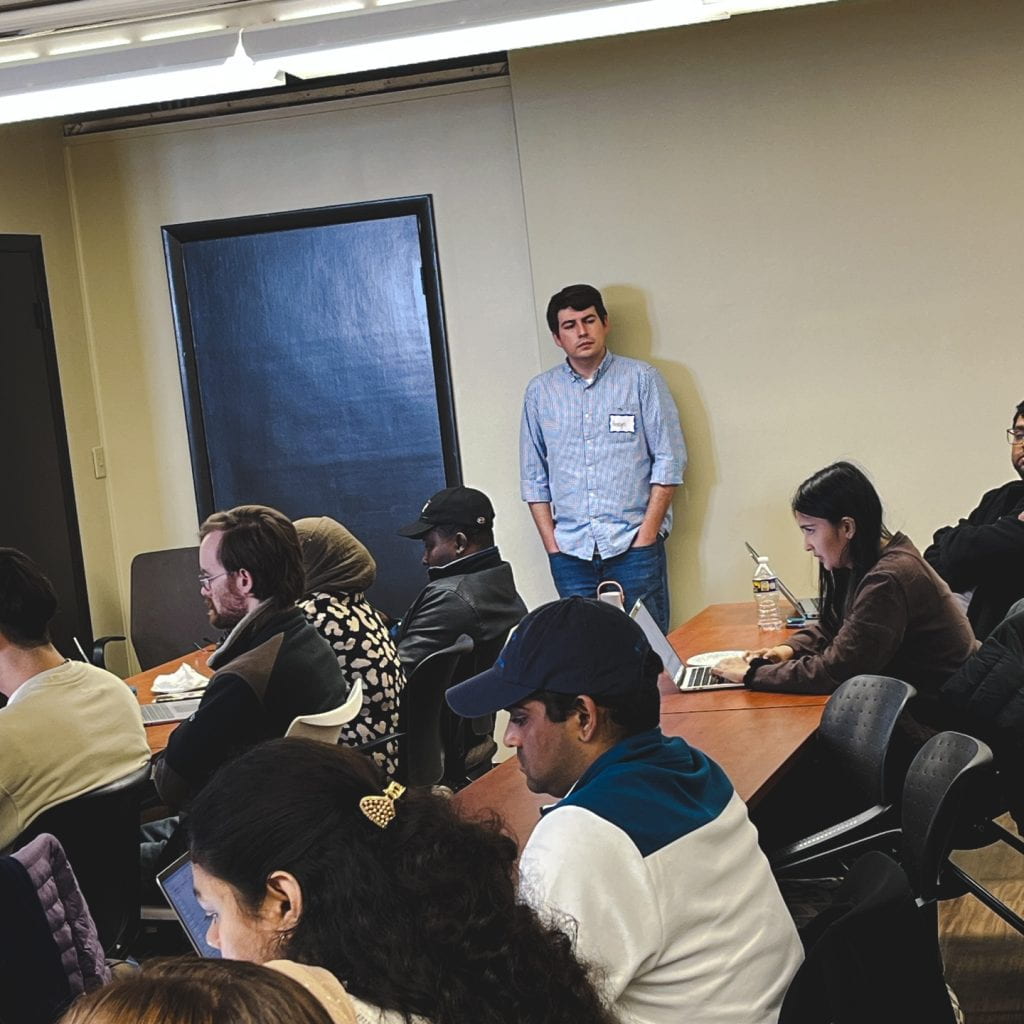
UAB’s CGDS and the U-BDS (Biological Data Science Core) held a Software Carpentry Workshop on December 14-15, 2023, to teach researchers computational skills. Instructors Manavalan Gajapathy, Austyn Trull, Bharat Mishra, Shaurita D. Hutchins, and Samuel Bharti, with the help of Santhosh Karthikeyan, Nilesh Kumar, Tarun Mamidi, and Yuwei Song, led sessions on the Unix Shell, version control with Git, and R and RStudio. The workshop included hands-on exercises and covered topics like data frame manipulation with dplyr and creating graphics with ggplot2. The event was designed to enhance participants’ technical skills and encourage using computational methods in research.

Learn more about the workshop at: https://u-bds.github.io/2023-12-14-uab/.