Breaking Stigma and Building Confidence

Approaching matters from a public health viewpoint often relies on the perspective of an outsider looking in. In our own environment, it is difficult to see the nuances and minor differences which exist across various communities. Looking at it another way, when we are part of the forest, we often do not realize the slight differences amongst the trees. It would be easy to believe that visiting another English-speaking country would be more of the same, but as you will soon find out, that is definitely not true!

The classroom today consisted of two distinctly different organizations, however, as we quickly found out, much of their approach to public health issues is quite similar. Stop one was the Terrence Higgins Trust.
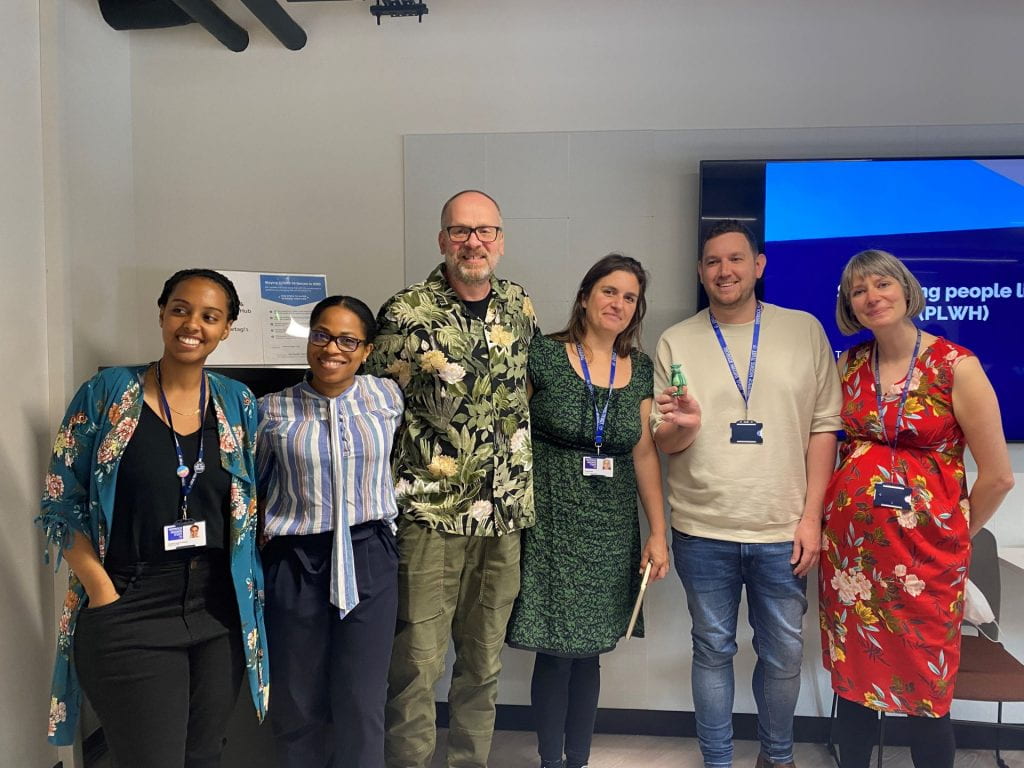
Walking into the Terrence Higgins Trust (THT), the UK’s oldest HIV and Sexual Health charity, we were greeted by a vibrant atmosphere and a chipper staff. Southern-style hospitality was extended with a wide array of snacks and beverages served. Of course, instead of our beloved Alabama staple of sweet tea, we were offered a variety of English-style hot teas and “biscuits,” or cookies as we know them.

Friends and family of Terrence Higgins, often referred to as “Terry,” originally established this now national trust after he passed away due to AIDS-related health complications. Forty years later, the trust still stands and has grown to serve communities across the UK. Specializing in HIV and Sexual health, THT works with the UK’s National Health Service (NHS) and other charities, with a goal of bringing increased equitable access to sexual health care across all races, genders, sexual identities, and geographic locations.

Students learned about one of the UK’s primary health goals for HIV, the 95-95-95 target by 2030; meaning, that 95% of those living with HIV are diagnosed, 95% of those with a diagnosis are receiving treatment, and 95% of individuals in treatment have an undetectable viral load. In 2022, the UK is certainly on track to meet this target with current reported levels showing 95% diagnosed, 99% in treatment, and 97% with an undetectable viral load; however, the numbers don’t tell the whole story.

Stigma and fear still dominate much of the space around sexual health. In the US and UK, stigma against sexual health remains pervasive. Healthy forms of prevention are often seen as promiscuous behaviors, causing many to fear visiting the UK’s sexual health services, which are provided by the NHS. Focusing on advocacy and fighting stigma, the THT brings a voice to those too scared to speak for themselves.

Much like communities in the US, progress most often begins in more urban environments. Most of the progress in HIV prevention and treatment in the UK is taking place within London’s 32 boroughs, leaving many surrounding less dense areas with little or no options for local healthcare. THT Research and Policy Officer Ngozi Kalu described this phenomenon as a “postcode lottery.”

The geographical disparity between cities and towns is brought to light as many in the HIV-positive community have suffered negative experiences meeting with their general practice (GP) doctor. In more rural areas, like Cornwall, some even described the experience of being told there is no HIV in their community, while actively seeking treatment for themselves.

For many across the UK, such stigmatized interactions are at the forefront of their experience, pushing many away from seeking treatment. This disparity is seen further in members outside of the LGBTQIA+ community, as many others who may be HIV positive do not know their options or how to access this specific type of care.

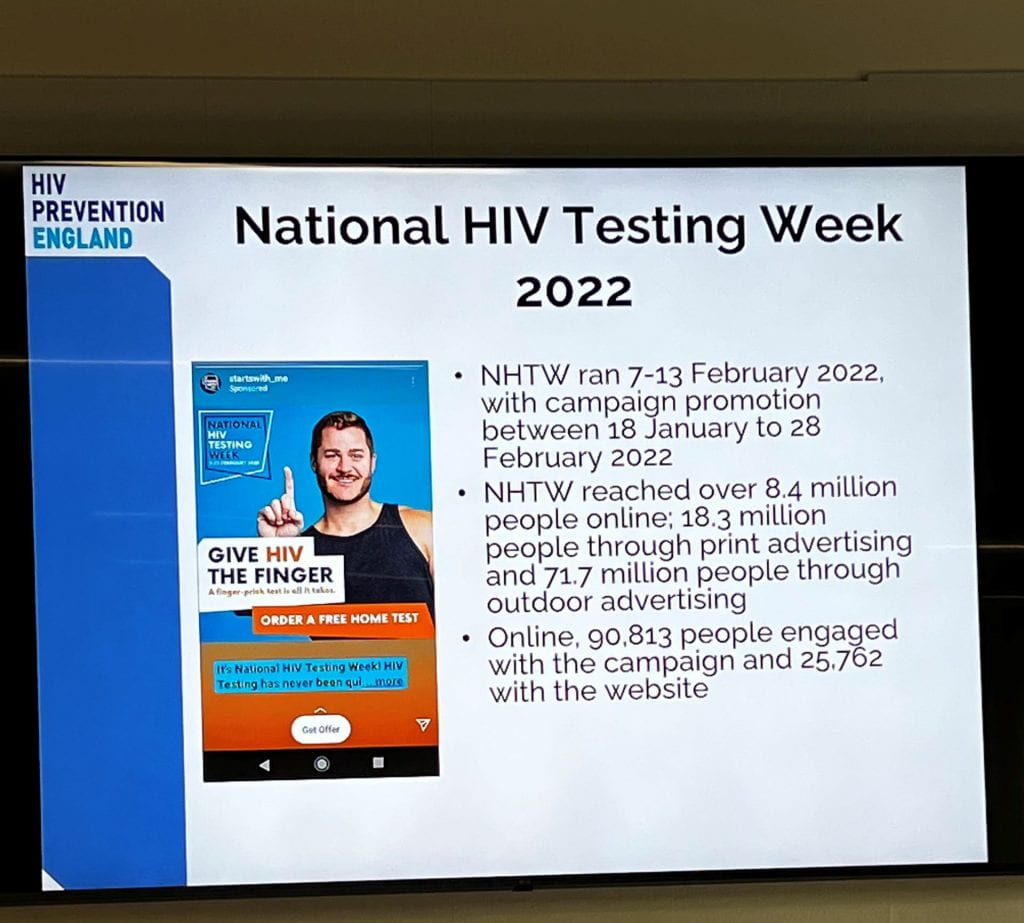
THT Prevention Program Officer, Alex Sparrowhawk, asked us what to do “when equity fails.” Unfortunately, there is no simple answer, magic beans, or silver bullet to save the day. The main goals of the THT are to work towards increased equitable access to sexual health services through expanding health care access in local pharmacies, starting a National HIV Testing Week, and establishing a policy to help implement age-appropriate sex and relationship education in schools.

If you’re interested in learning more about the work being done in the UK by the THT, follow the link to help Pubic Health Give HIV the Finger.
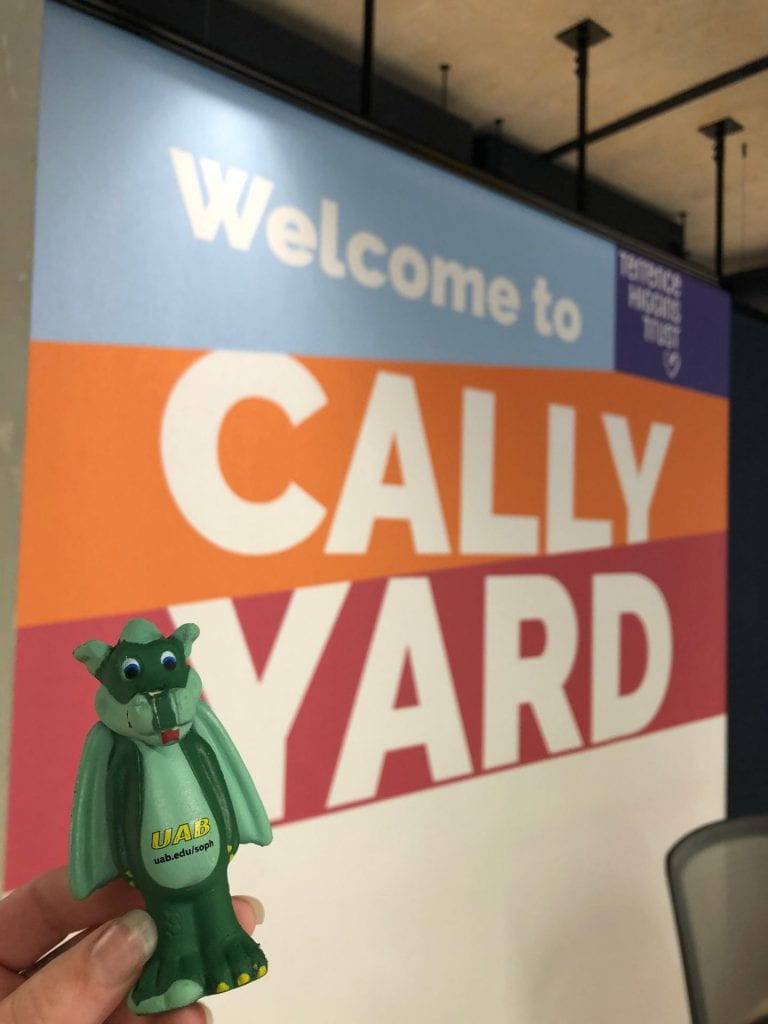
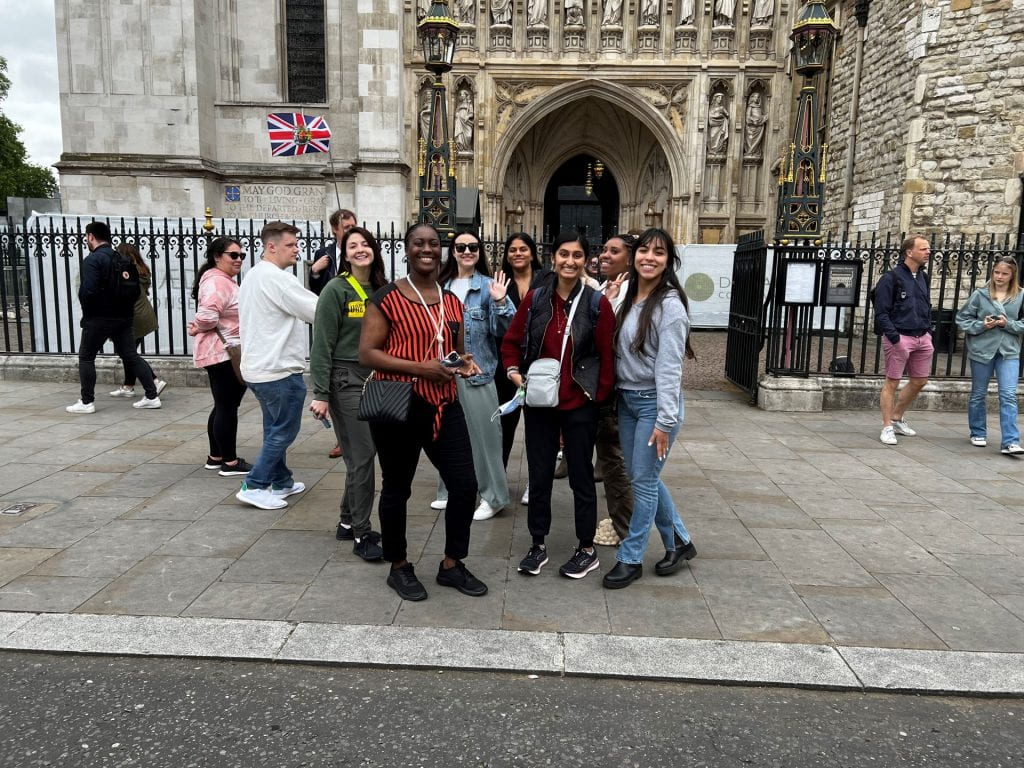
After our time at THT, we meet UAB MPH alumnus, Stacie June Shelton, MPH on the steps of St. Paul Cathedral. Stacie is Global Head of Education & Advocacy, Dove Self-Esteem Project at Unilever. Then group enjoyed a delicious lunch with Stacie at Samuel Pepys before heading to Unilever’s London headquarters. (As expected, this dining establishment served an amazing fish and chips lunch entree, which is a staple of the British dining experience.)

As is often the case in the U.S., the Unilever headquarters is also highly focused on security issues. All UAB guests were checked in through security and provided bright green stickers designating our status. Photography within the building was strictly prohibited.

The group gathered in one of Unilever’s many impressive and modern meeting rooms to discuss and learn more about Dove’s Self Esteem Project, which is a global outreach effort. Through this project, Unilever has data showing how this project, in partnership with UNICEF, has positively impacted multiple countries and helped young children in Brazil, Indonesia, and India with their self-esteem and overall body confidence. Although there are many different initiatives for those aged seven to 24, the main project group is young children from age 11 to 14. Looking back on some of our formative years during the same time frame, many discussed how impactful it would have been to witness media that acknowledges and promotes varied outlooks on inner and diverse beauty.

A positive relationship between self-esteem and body image begins with value in diverse beauty ideals. In order to achieve this, it is important to arm the next generation with tools to disarm toxic beauty standards. Dramatic change in standards, ideals, marketing, and thought processes must take place. Changing laws, media practices, and policies/practices of both government and non-government entities is necessary. One positive example of such change is the Crown Coalition which opposes discrimination against natural hair. [https://www.dove.com/us/en/stories/campaigns/the-crown-act.html].

Dove has a long-standing mission “to make beauty accessible to all women,” however, not all are aware of their important work in making traditional beauty ideals more inclusive and realistic. It was extremely impressive and impactful to hear about the amazing initiatives of Unilever from a UAB alumnus.

Shelton graduated from UAB with an MPH degree in health behavior. She worked for the Oregon State Department of Health and advocated for adolescent school health. She then turned her focus to International health, serving in countries including Kenya, Nigeria, and Sri Lanka. Currently, she is living just outside of London and enjoys the work she does as part of the marketing and communication teams on Dove’s Self Esteem Project. She shared that she is often the only public health specialist on projects, so is able to provide a unique and valuable perspective to the team. Stacie’s work is supported by Unilever and is part of their strategic goals, but a big part of her job is to serve as an advocate for her projects within the company and answer decision-makers’ questions such as “What, why, and how? What are the issues and their effects? Why should we push this initiative? How do we effectively get it across to the most vulnerable?”

With her impressive accomplishments and wealth of knowledge, it was a true privilege for the group to spend time with her. Her beliefs, ideals, and background were relatable and provided important insight into public health opportunities within corporations. Stacie June showed us what a career in public health could become.

Class time concluded with a glass elevator trip to the top of the Unilever building, where we experienced their newly constructed rooftop garden. From this spot, we were able to peer across the River Thames, one direction towards the Tower Bridge and London Tower, we were able to truly feel the beauty of London life and realize that our career dreams could become a reality.

And finally, we would like to share a more moving initiative of Unilever. The inner child of us all shed a tear from the emotional hook of the Dove Self Esteem Project: Detoxing Your Feed Campaign. [https://www.dove.com/us/en/stories/campaigns/detoxify.html]
One of the goals of this campaign is to promote media literacy and tackle the issue of why social media can have a negative influence on self-esteem.

We ask you, the reader, to share in our experience and consider how social media may impact your personal health. As a short experiential exercise, we ask you to take note of the first five to ten posts that show up on your social media feed. Ask yourselves these questions:
● How does this content make you feel?
● How often do you compare yourself to the people that you see online?
● Do you feel the need to change yourself in order to fit into a standard?

On a final note, we suggest you tune into the Appearance Matters Podcast! This captivating audio is the official podcast of the Centre of Appearance Research and is available on Apple, Spotify, and Audible.

Cheers!
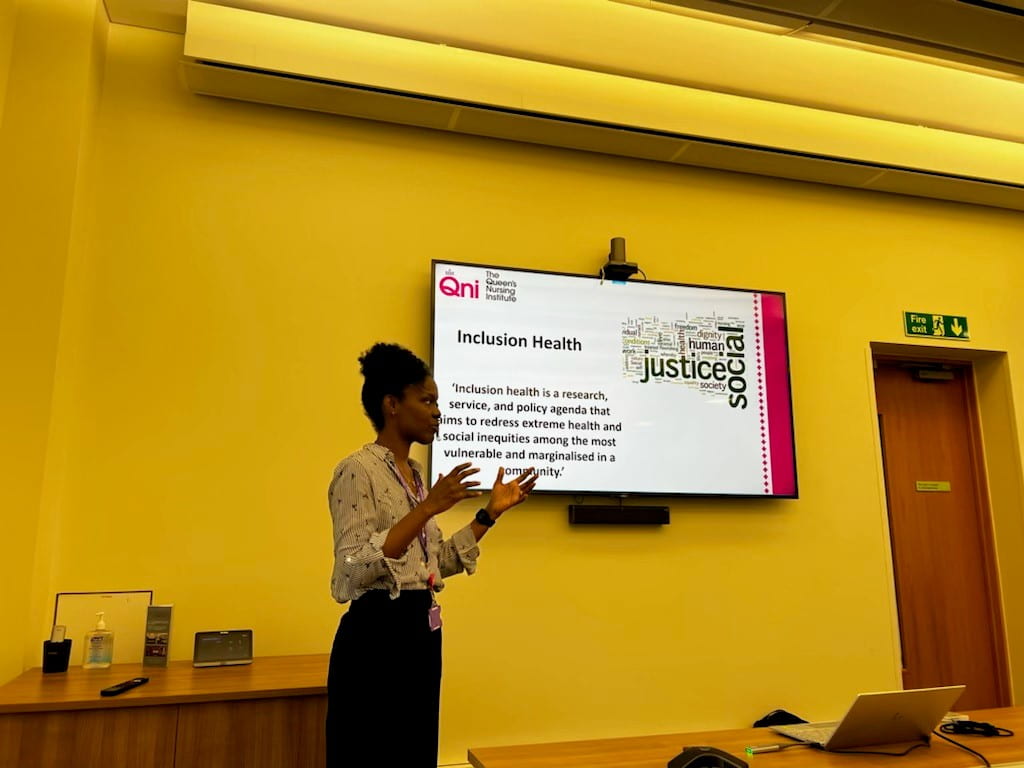
The Queen’s Nursing Institute

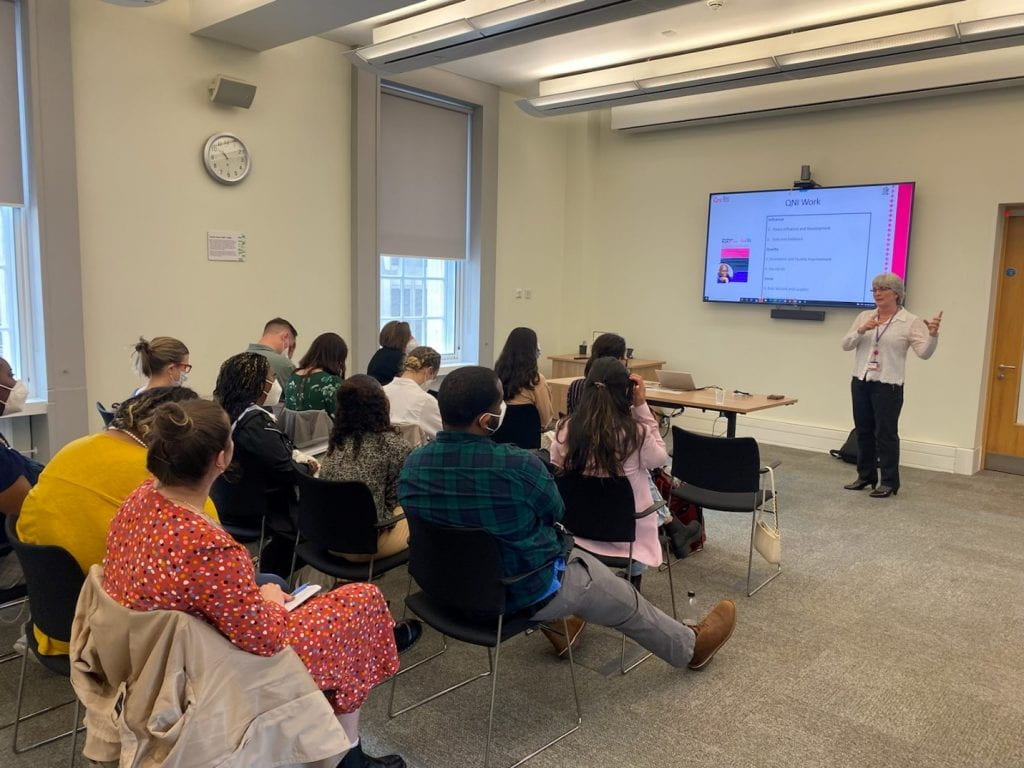
On Monday, May 16, 2022, we had a wonderful time meeting with staff at the Queen’s Nursing Institute (QNI). Establish in 1887 by Florence Nightingale, who paved the way for modern nursing practice and training, the Queen’s Nursing Institute meets the community health needs of the more underserved parts of the United Kingdom population. Based in London, the QNI has an established interconnected network of community nurses that focus on care across the lifespan or “from sperm to worm” as Dr. Crystal Oldman, CBE, Chief Executive Director of the QNI, affectionately describes it.  (By the way, we asked Dr. Oldman the meaning of the CBE acronym.  CBE represents the Commander of the British Empire.  This is the highest-ranking Order of the British Empire award, other than knighthood or damehood.  It is given to individuals who have made significant contributions to their field through leadership and service.)

To explore population health and begin to understand some of the integral differences between US and UK population health outreach programs and practices, Kendra Schneller, lead of the Homeless and Inclusion Program of the QNI, provided an overview of her work. The Homeless and Inclusion Health Program supports the identification and meeting the health needs of those experiencing homelessness. In the UK, the homeless definition is broad, including the migrant population, sex workers, asylum seekers/refugees, and those who do not have secured residences of their own. Current and ongoing efforts regarding the homeless population of London’s 32 boroughs that the QNI aims to address include offering personalized health care and connections to a GP for further health needs, resource information for clinicians, and support specialist groups that advocate in support of this population. Their funding comes from a combination of sources including the National Health Services (NHS), acute trusts, and other charitable organizations. Some ongoing struggles to further this program and better meet the healthcare needs of this population include limited funding, lack of housing availability for rehousing, and structural difficulties that allow for transition away from homelessness. Kendra touched upon her hopes for the future, which strongly revolve around additional funding support and fewer institutional barriers.

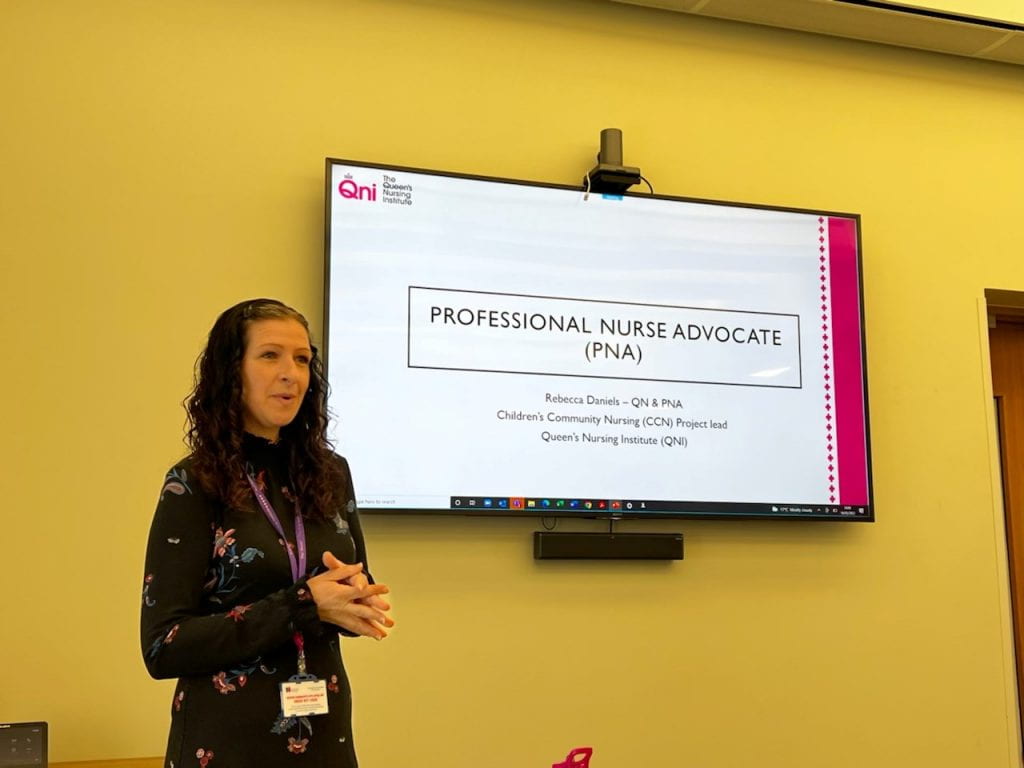
Moving towards understanding the culture of nursing in the United Kingdom. Rebecca Daniels, one of the first Professional Nursing Advocate (PNA) graduates in the UK’s relatively new PNA program, spoke about the role of PNAs and the current state of affairs regarding nurse wellbeing in the work environment. Practicing based on education from an adapted curriculum of the “Resilience Model of Supervision”, PNAs work to cultivate an environment that prioritizes the mental health and emotional well-being providing a safe space for nurses to release and develop strategies to handle emotionally draining work experiences. The goal is to prevent and better manage compassion fatigue and the general emotional nature of the role—something made apparent during the recent COVID-19 pandemic. Still, in its infancy with only 3000 PNAs currently certified in the UK, the program hopes to certify a net 5000 PNAs by the end of 2022. Daniels spoke about some of the difficulties PNAs face which include resistance from nurses to engage with PNAs because of already dense work responsibilities and obligations. In concluding the discussion, Daniels expressed hope for unifying standards across PNA certification programs to ensure program validity and hope to fully assist nurses in their workplace plights.

Dr. Oldman concluded the presentation with an open discussion about the QNI, NHS, and the greater UK healthcare network. The closing discussion centered around similarities and differences across the current US and UK healthcare including international nursing shortages, a problem verified by the International Council of Nurses (ICN), workplace burnout, and changes wrought by the pandemic. In discussing future directions of healthcare, Dr. Oldman touched upon a need for leaders and advocates from the nursing profession at the forefront of health policy and decision-making:

“If you’re not at the table, you’re on the menu.”

Speaking of menus, following our visit to the QNI, we stopped for a group lunch in the Covent Garden area in London’s West End. While eating lunch, the class noted the conservative use of salt in the UK. Fittingly, Dr. McCormick shared some insightful commentary from Dr. George Howard, Distinguished Profession in the UAB SOPH, who recently read the blog and shared how “the UK has successfully dramatically reduced hypertension through policy changes and partnerships with food companies” to reduce consumer salt intake through processed and prepared foods. This intervention led to a decrease in stroke, hypertension, and related heart disease. Dr. Howard expressed interest in observing outcomes of similar intervention work in the United States to lessen the health burden of heart disease in the Stroke Belt.

It was a lovely day! Stay tuned for tomorrow’s blog update with a visit to the Terrence Higgins Trust and Unilever.

Team 3: Grace Albright, Rachana Kuthuru, and Ritika Samant

A day at the British Museum

Introduction: Today, students collaborated to travel to the British Museum using London’s Underground (aka. The Tube). Once we arrived, we checked in with Dr. McCormick to receive our assignment for the day (More on that in a bit.)

Did you know the British Museum displays over 8,000,000 works/artifacts across 70 different exhibits in over 990,000 square feet? These artifacts represent 2 million years of human history, culture, and art, which attracts over 5,000,000 people annually. There are items here that you have probably heard about your whole life, including the Rosetta Stone, the Lewis Chessmen, sections of the Parthenon marbles, Hoa Hakananai’a from Easter Island, and other important artifacts from Ancient Rome and Egypt. It is quite frankly overwhelming, but we digress… Dr. McCormick asked each of us to identify five unique items from within the museum that relate to public health or healthcare or have some significance to the themes of our course: population health, social determinants of health, and health equity. Each student team was sent off to different areas of the museum to start and we were given 4-hours to undergo our exploration. We documented the location of each item, took photographs, and wrote brief descriptions of their relevance to public health or healthcare.

Here is a sampling of the items we found:

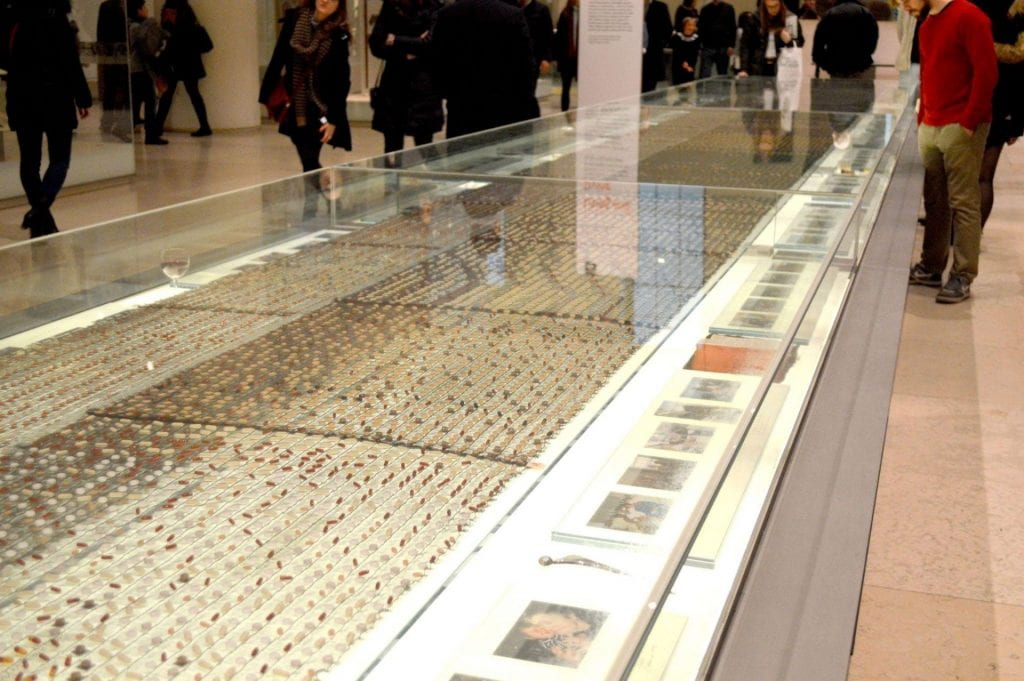
Cradle to Grave exhibit at the British Museum

“Cradle to Grave” is a 14-meter display that is located in the middle of the Wellcome Trust Gallery: Living and Dying.  “Cradle to Grave” by Pharmacopoeia documents and reveals over 14,000 drugs which is the current estimated average prescribed to individuals living in the UK during their lifetime (http://www.pharmacopoeia-art.net/articles/in-sickness-and-in-health/).   The display also included photographs and other medically related artifacts documenting one woman and one man’s life course. 

Water pipe from the Greek colony of Apollonia, Bulgaria (from between the 4th and 2nd Century BC)

Apollonia was a colony founded by the Ionian Greeks in 610 BC. The picture above is a terracotta pipe that was recently found near Kalfata on the coast of the Black Sea.  The pipe is in two sections, flanged at one end so that the next pipe slides in to form a tight fit.  As you can see from the image, the two sections are coupled using lead (Pb) to seal the pipe joints from leaks.  This pipe was part of a large water system that provided clean water to the people of Apollonia.  We have learned from our studies how important clean water is to the health of any population.

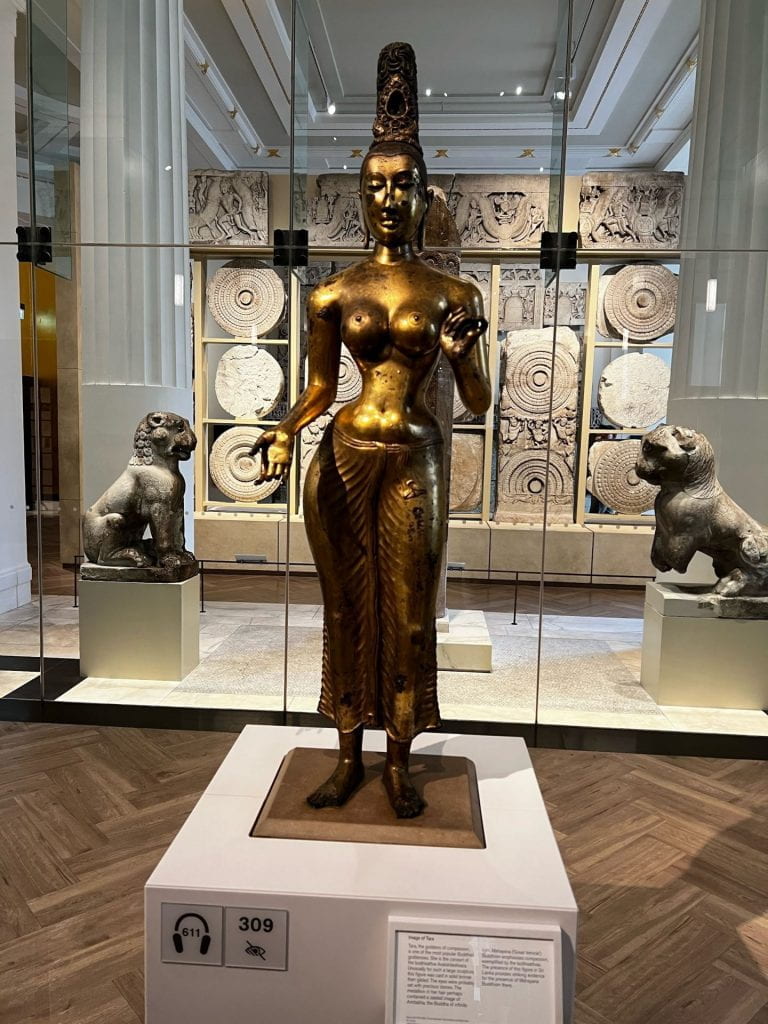
Tara, the Buddhist goddess of compassion

Tara is the goddess of compassion, one of the more famous Buddhist goddesses. When we saw this display, we thought of all the healthcare and public health workers during the COVID pandemic.  This unprecedented time has led to many leaving their positions because of stress and burnout. Compassion fatigue reached an all-time high as the public health workforce was overwhelmed with wave after wave of COVID-positive patients.  For those who work in the field, we have to remember that we cannot be of service to others if we are not prioritizing our own health.

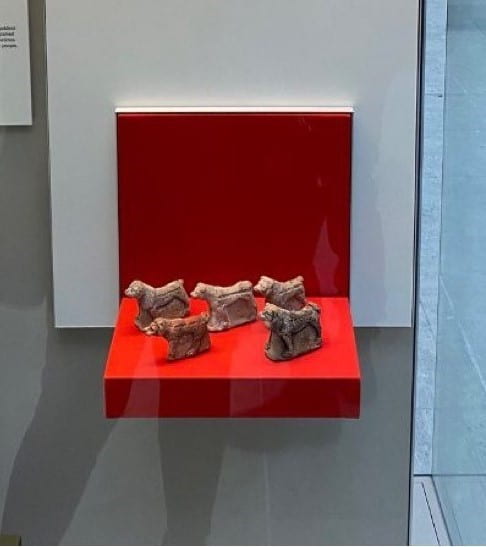
Protection and Healing

In Babylonia and Assyria, many devices were designed to protect people from evil and disease.  Objects, such as the model clay dogs above, were buried beneath palace doorways in order to prevent misfortune and protect from disease.

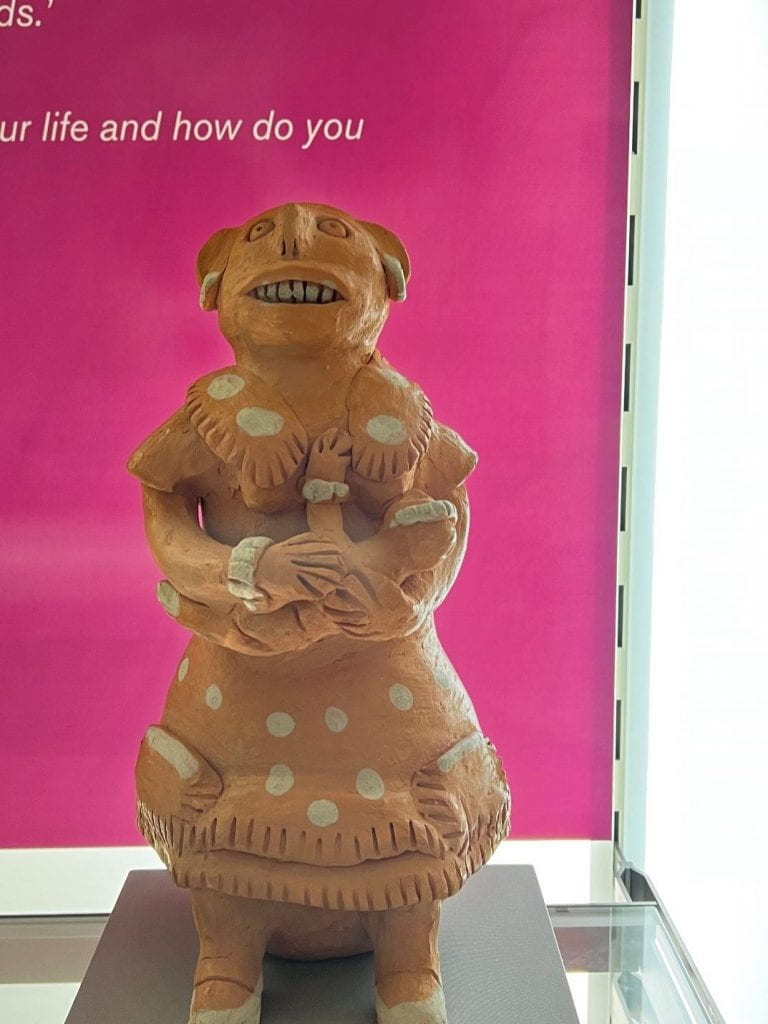
Brazilian Mother Figure

This figure is of a mother breastfeeding her child and represents the beginning of a life nurtured and cared for by a family. According to its description, it depicts the bond between the mother and baby.  Maternal and child health is an important part of population health.  Improving the health of mothers and children determines the health of the next generation.

1830s gold belt hook with scent bottle.

As we have discussed over the past several days, London was a dirty and disgusting place in the mid-19th century.  Bottles such as these would have been filled with fine perfumes allowing the wearer some reprieve from the stench filling the streets. In 1858 this “great stink” finally led to much-needed reform in the city’s sewage system leading to even greater public health improvements and a significant reduction in waterborne illnesses and death.

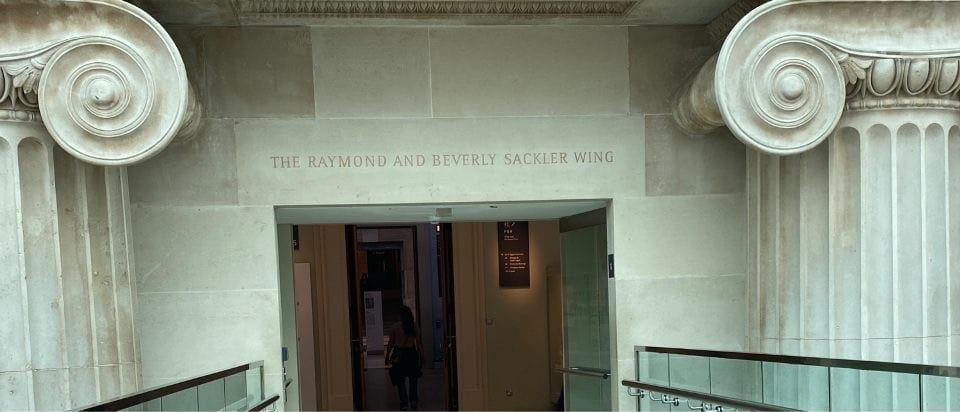
Sackler Wing of the British Museum

Public health is everywhere, often showing up in unintended places. In this instance, the Sackler family has a wing dedicated to them at the British Museum. This family, once known as prominent art philanthropists and leaders of the pharmaceutical company Purdue Pharma, are now more known for their association with the opioid epidemic. Many institutions went so far as to have the Sackler name removed from architecture wherever possible.

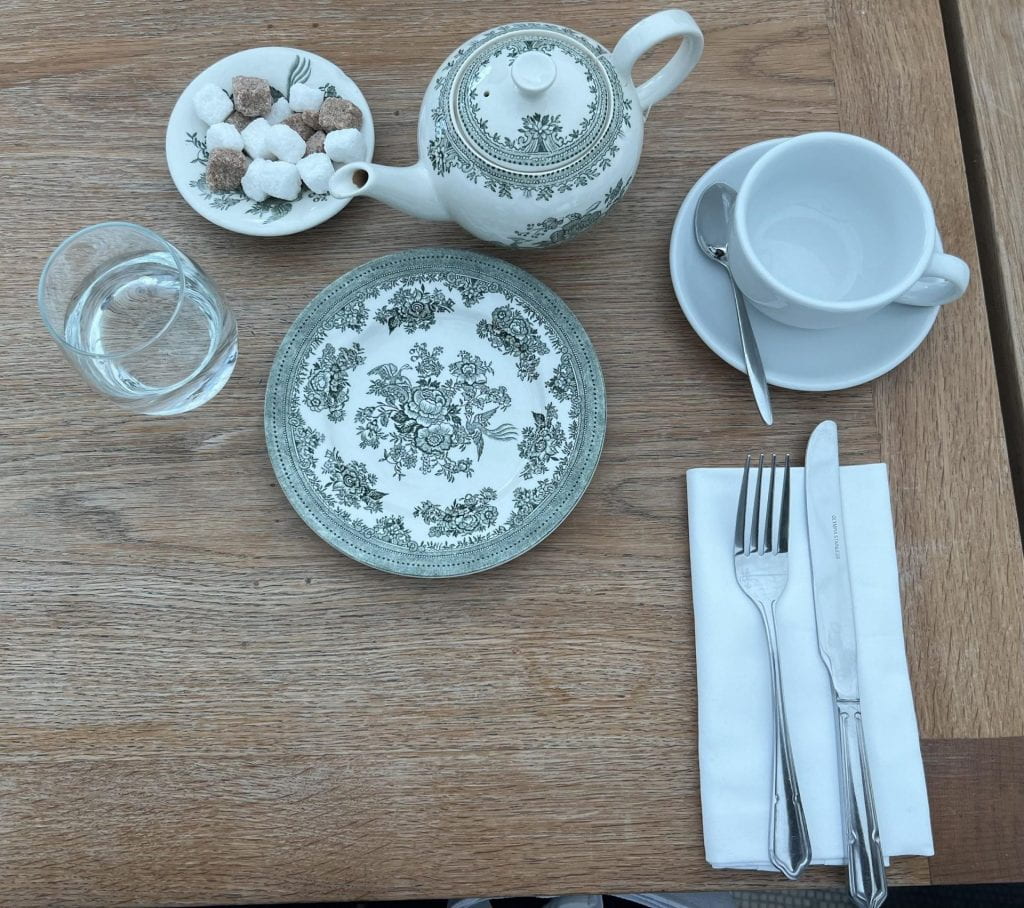
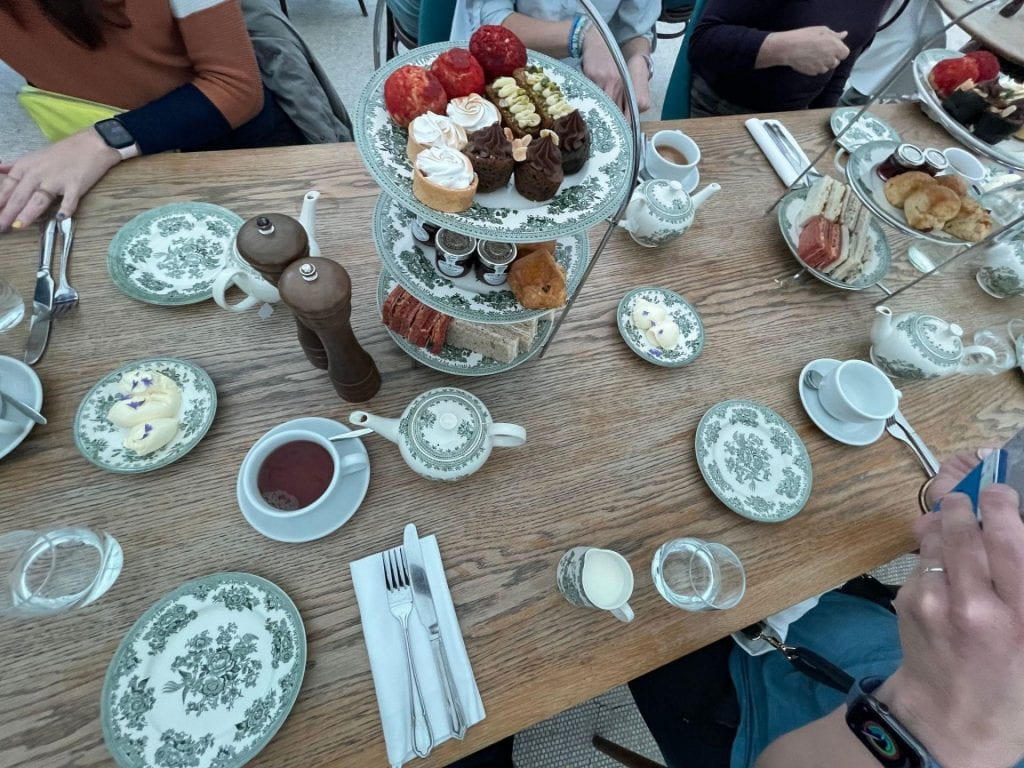
To conclude the day, we gathered for a “high tea” at The Great Court Restaurant. The concept of “high tea” was introduced in the 1840s by the seventh Duchess of Bedford, Anna Maria Russell. The growth of industrialization influenced the timing of daily meals. As the time between meals grew longer, the Queen’s ladies-in-waiting were hungry in the middle of the afternoon.  Therefore, the concept of afternoon tea was born (which includes a biscuit or scone with butter and jam with a cup of hot tea.) Anna’s habit of having a mid-afternoon indulgence became a British tradition.  High tea is a bit more lavish than traditional afternoon tea and includes in addition to scones and tea, small finger sandwiches and small bites of delicate cakes and other confections.  While the class did not engage in the formal attire of upper-class society of the 1800s, it was a great experience shared among peers.

Credited by: Porsha Edwards, Alliemarie Humphries, Catrell Johnson, Yesi Villanueva

From Gross to Gorgeous, the Evolution of London

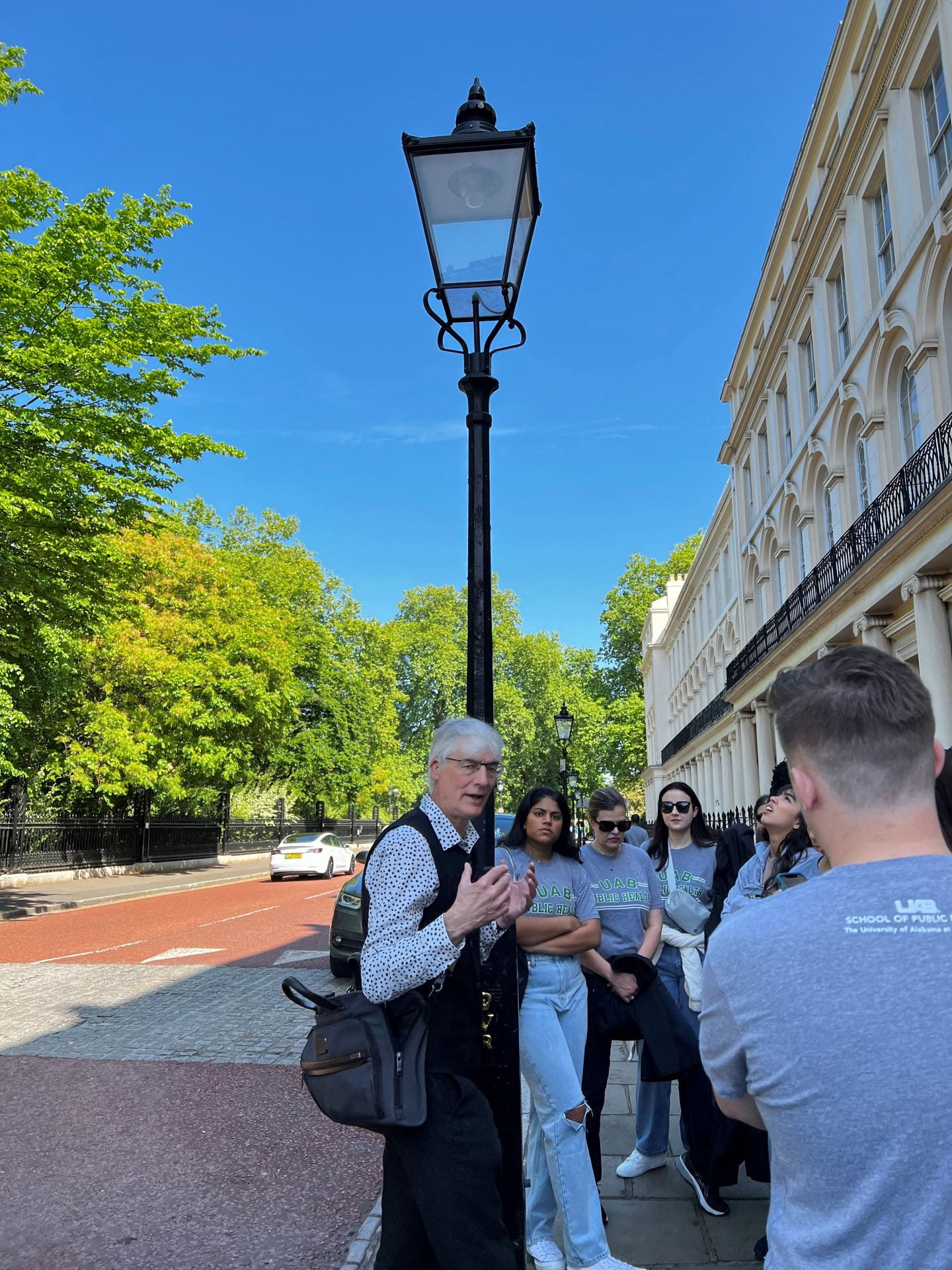
Modern London, a sprawling city of over 9 million inhabitants, is the epicenter and shining jewel of the British Isles. As we walk down the bustling streets, one becomes acutely aware of their surroundings. Entering a park, we step aside for the joggers and are ever mindful of the bicyclist as they wiz around the curb. Children play and a yogi enjoys his practice. The city is alive, healthy, and happy. Down the cobblestone streets, we march noticing the inherent lack of refuse and debris.  Pristine white buildings greet us, a testament to the architecture of the early and mid-19th century. What these walls could tell us, what history they hold.

What I have described to you is merely the first five minutes of our walking tour of London. Though busy it is a beautiful and clean city, however, its history is far from pristine. As we will learn from our tour guide, this great city has undergone many trials and tribulations to emerge as the triumph that we have described today. This history provides us a window into the past (and present) of this sprawling metropolis and hopefully gives us a vision of its future.

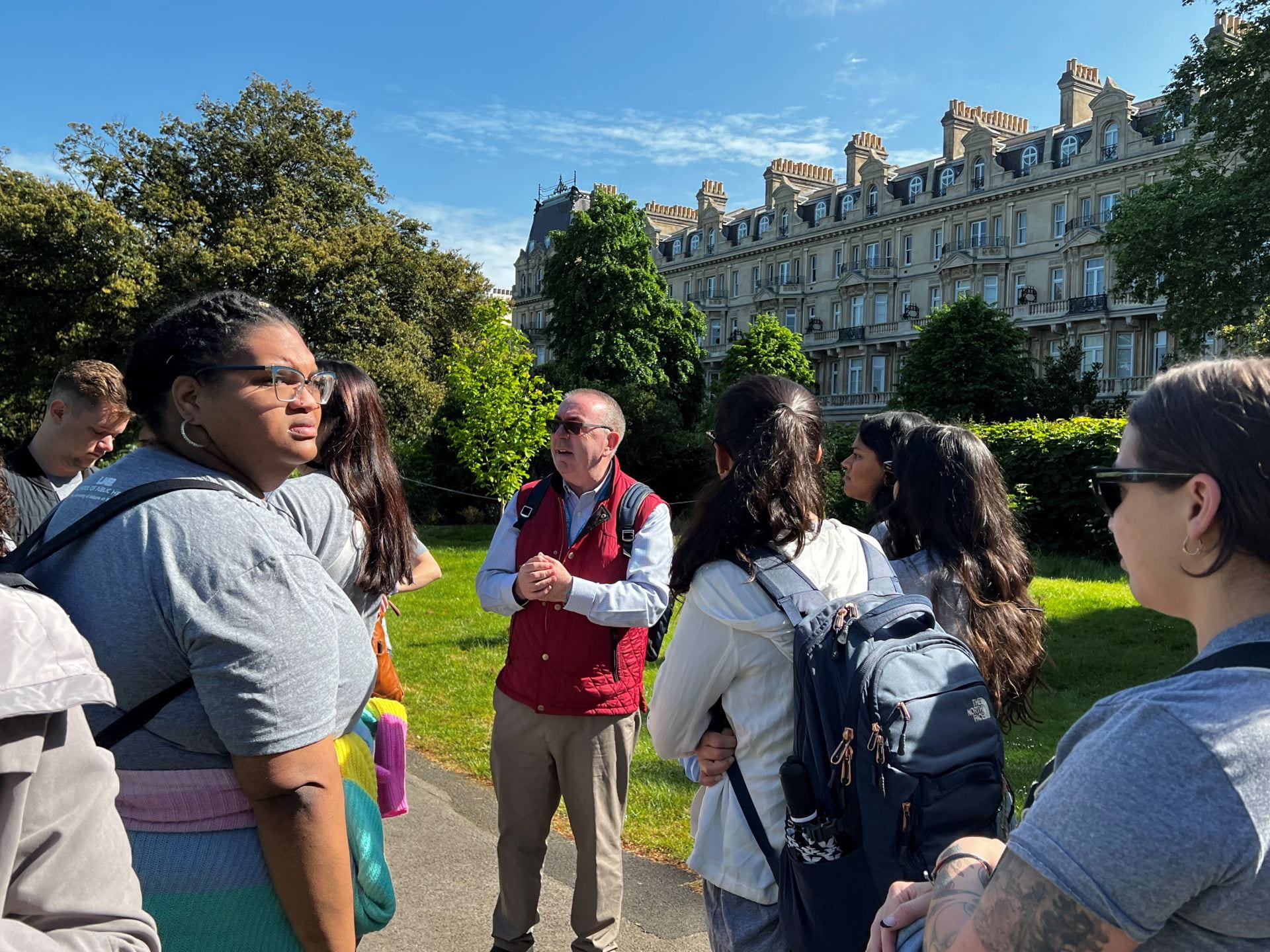
Our first guide, Charlie Forman sets the scene for us. It is the 1850s and London is a dark and dirty place.  Having tripled its population over the last 50 years, it is a city that is most literally busting at the seams. The buildings on this block are painted grey to hide the smog and smut that stain their walls. Refuse and waste fill the streets and in the height of summer, the stench of human excrement is overwhelming. Thousands die yearly from disease, smog, and occupational hazards. Episodic cholera outbreaks paralyze the city and the medical theorist of the era struggled to make sense of it all.  Then, this now refined city was on the brink of self-destruction.  As our second tour guide of the day, Dr. Barry Walsh, Public Health England retiree and medical microbiologist, would go on to say, “The city was drowning in a sea of its own feces.”  So what happened? How did this cesspool of grime become the city we see today?

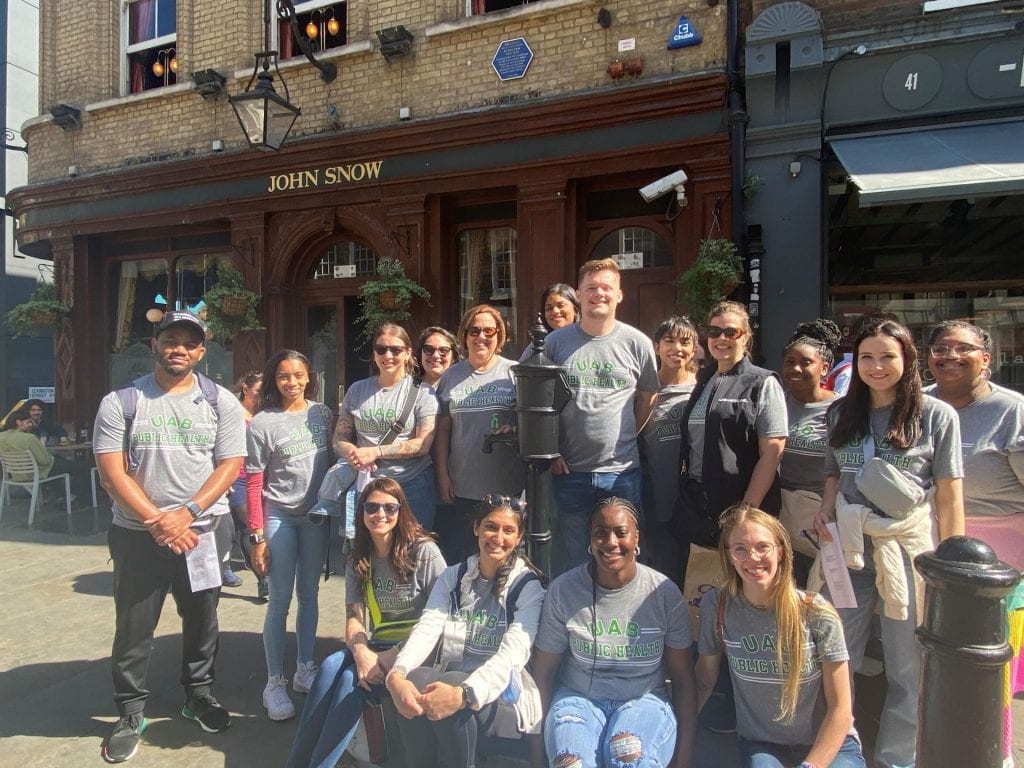
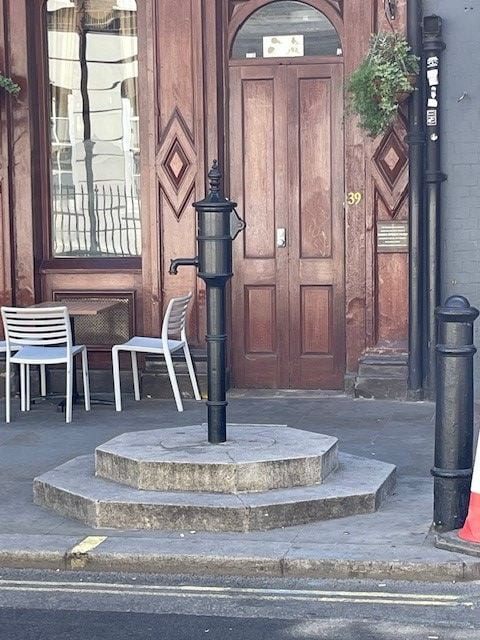
The 1850s were really a turning point for London and the health of its dwellers. On August 31st, 1854, with one discarded dirty diaper, an epidemic is unleashed. Within days, 100’s will have died, and when all is said and done, over 600 will have lost their lives to the ravages of Cholera. However, out of this tragedy, a cornerstone of public health is born. John Snow a physician and soon-to-be founder of epidemiology bursts onto the scene determined to discover the cause of this ailment and spare future victims. Through vigorous data collection and epidemiological mapping, he is able to isolate the source of the ongoing infection, the Broad Street pump. Within its clear and crisp waters lay in wait a deadly bacterium, Vibrio cholerae.  Removing the pump’s handle and stopping the epidemic in its tracks, John Snow revolutionized public health practice that day, although it would take many decades before his true brilliance was realized. Dying somewhat unrecognized four years later, Dr. Snow would never see the significance and wide-reaching impact of his groundbreaking work.  (For more information on John Snow and the Cholera outbreak of 1854 read Ghost Map by Steven Johnson.  We did!)

A mere four years after John Snow removes the pump handle another crisis will hit the city. Cue the summer of 1858, also known as the “big stink”. Thousands of pounds of raw sewage flow into the Thames daily. Baking in the sun, a smell of epic proportions reaches the noses of London’s elite as Parliament is shut down due to the overwhelming stench. A city in uproar, change has to happen. Enter a bright young engineer Sir Joseph Bazalgette.  Designing a complex network of undergrown sewers (and with much support from Parliament), for the first time in London’s history waste is successfully transported away from the Thames and the drinking water of the London populous. While imperfect, this system dramatically reduced water-borne illness and death and paved the way for many future public health initiatives to come.

Fast forward 170 years or so and we are back on the modern streets of London. It is now 2022 and Queen Elizabeth II is soon to celebrate her platinum jubilee, the first of its kind in British history.  Universal healthcare is in place and London occupants now have access to clean water, parks, and all manner of recreational activities. The streets are now much safer and smog is a memory of the past. So where do we go from here?

Public health as a profession is very much a retrospective and prospective art. Often the sins of the past are doomed to be repeated if they are not acknowledged and recognized. Where infections and daily hazards once killed, chronic diseases such as heart disease, diabetes, and cancer have arisen to take their place. Public health still has an important role to play in the prevention and management of this new era of illness.  Just as in the mid-19th century, we now must show ingenuity and curiosity if we are to prevail.  Just as John Snow and Sir Joseph Bazalgette sought to improve the population’s health so must we as public health providers and students through utilizing all the tools of the past and creating innovations for the future. History shows us that the work of public health is never done, it is just beginning.


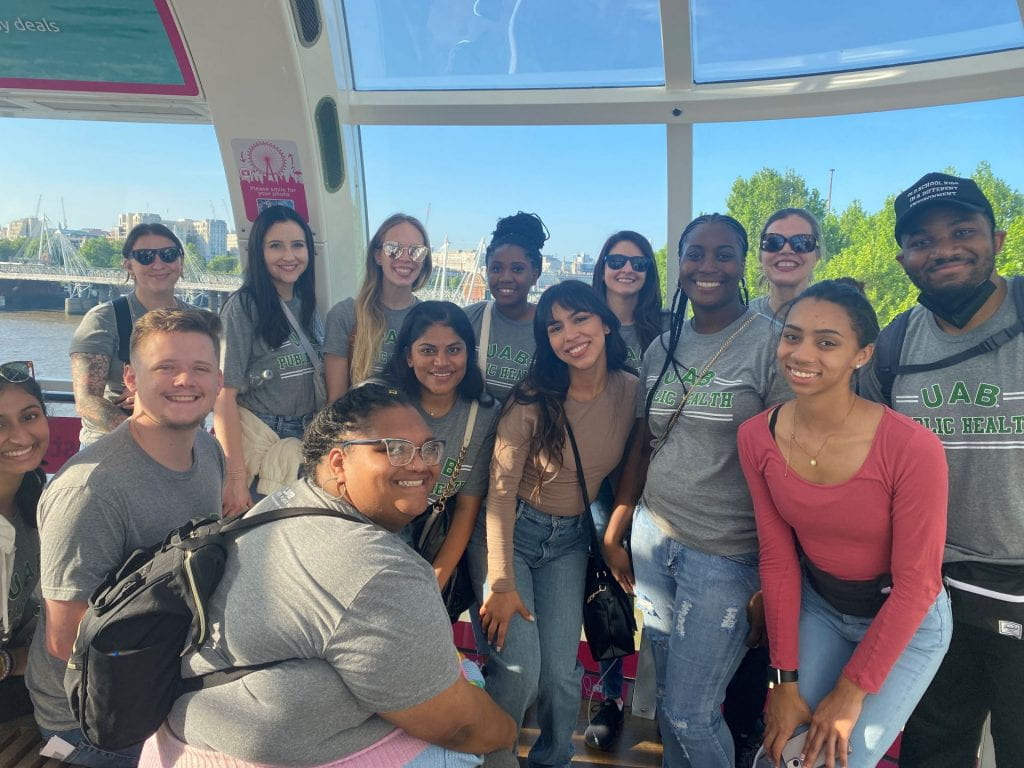
We learned so much today on our first walking tour of London! After, we headed to South Bank for a boat tour on the River Thames and a spin around the London Eye.  Both of these experiences gave us the opportunity to think more about 1850’s London and what it must have been like for people living at that time. Stay tuned for the next UAB SOPH blog post where we will be heading to Bloomsbury to explore the British Museum.  Also, if you are not already, make sure you are following us on the SOPH’s Instagram where we are taking over and posting throughout our travels.

Peace, Love, & Go Blazers
Jane Vines, Jonathan Baker, Jamia Haynes & Cassidy Stoddart


Day 1: London, United Kingdom

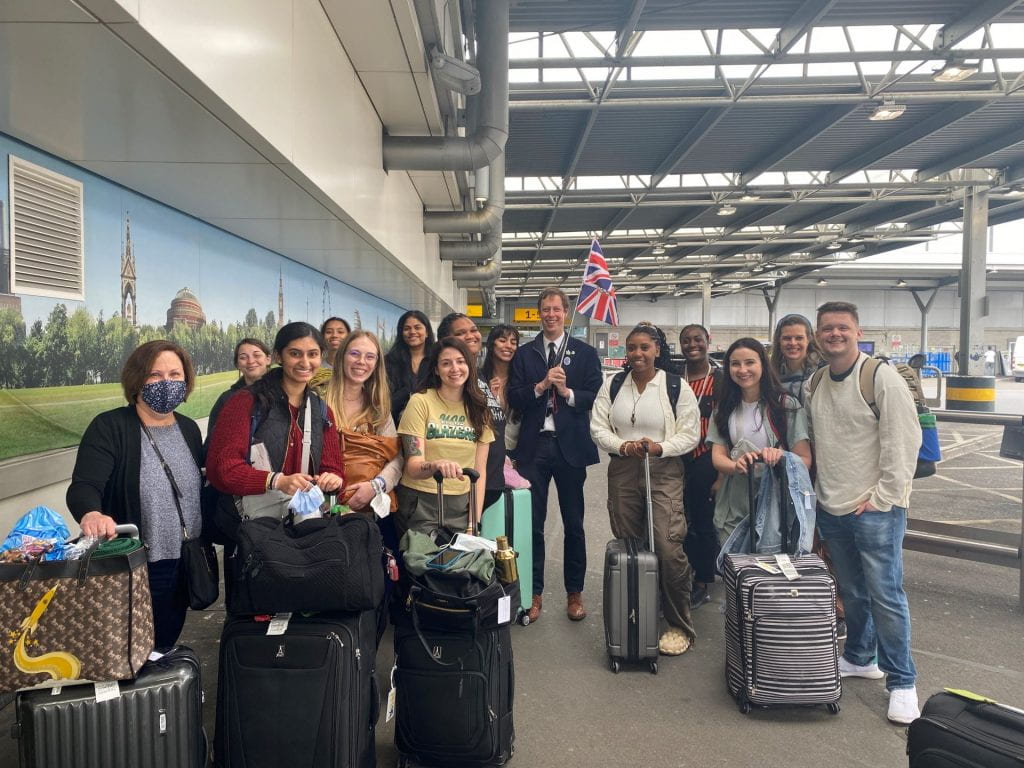
We have arrived in London!  After a long flight across the pond, we boarded a coach with Dr. Aaron Hunter.  Dr. Hunter is an evolutionary palaeoecologist at Cambridge University focusing on the “history of science.” You can find out more about Dr. Hunter on his website at AFossilHunter.com

Meeting Dr. Hunter at London-Heathrow Airport

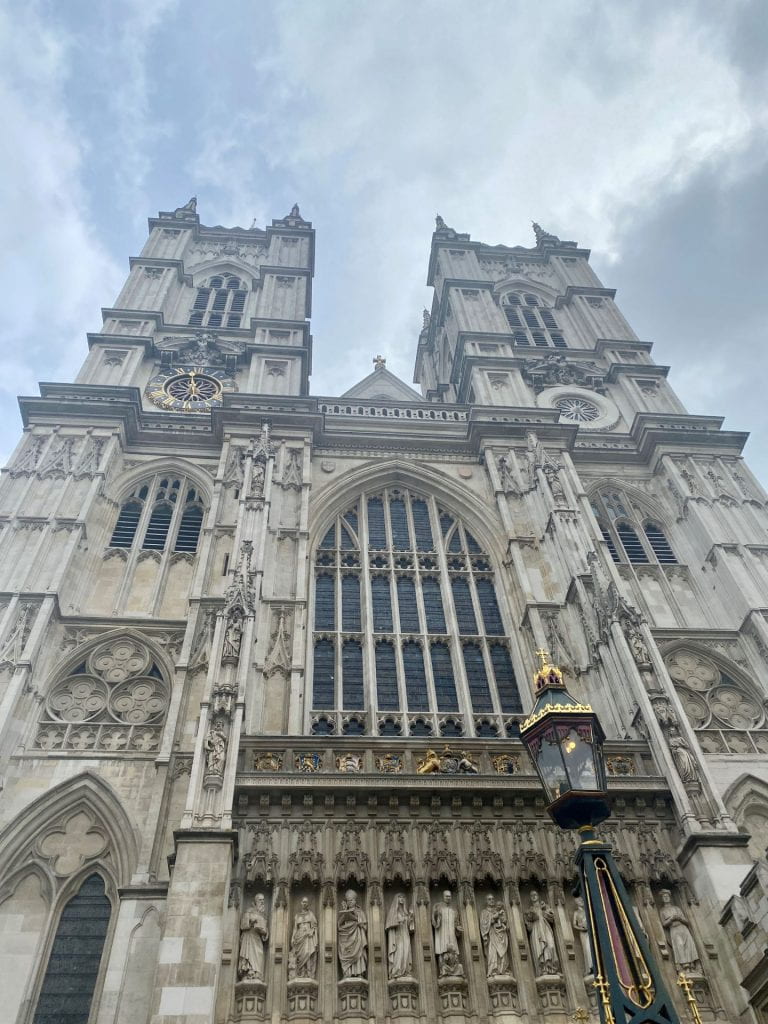
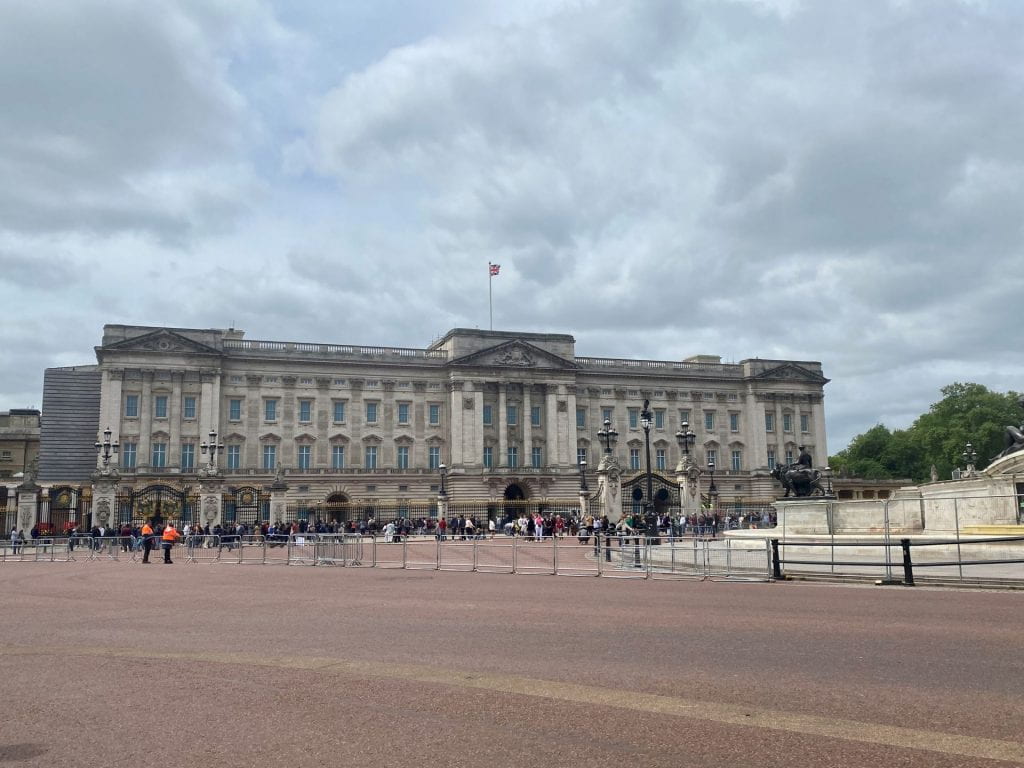
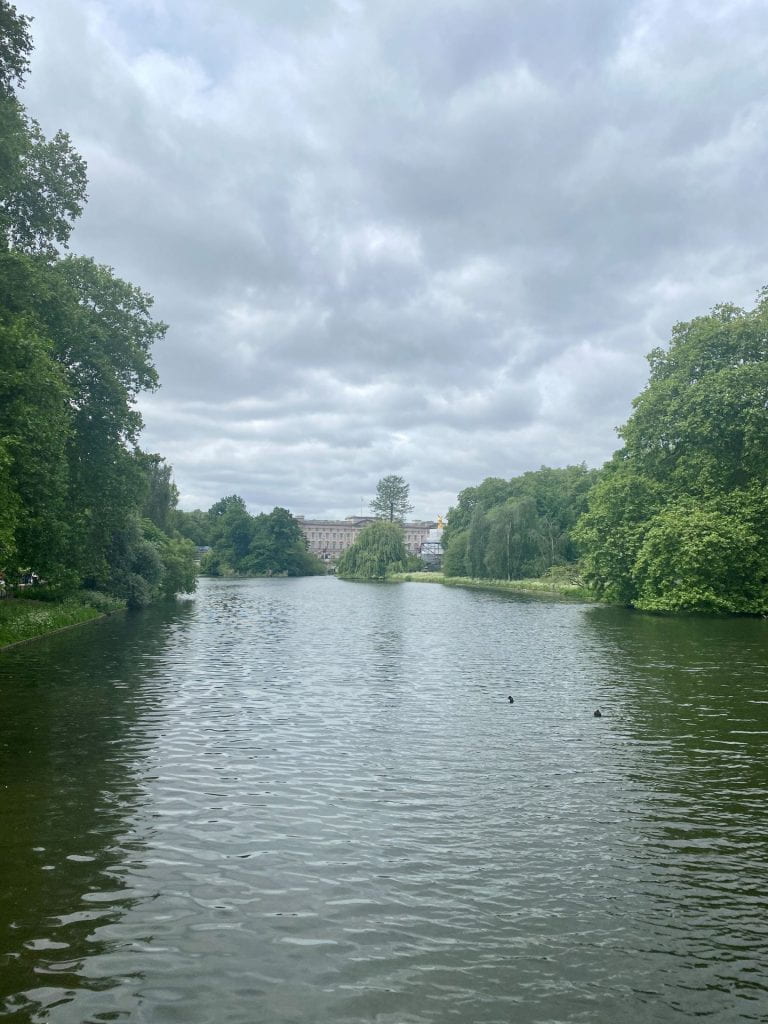
Dr. Hunter took us on a tour of central London giving us a great orientation to the city and its history.  We were able to see and visit important cultural sites including the Palace of Westminster (Houses of Parliament) and Big Ben, Westminster Abby, Buckingham Palace, St. James Park, Hyde Park, Kensington Palace, etc.  We learned about London’s extensive royal parks and greenways and discussed how important these are to those living in the city.  We even drove over the Waterloo Bridge, where Georgi Markov, a Bulgarian dissident writer, was assassinated in 1978 after being stabbed in the leg with an umbrella containing the lethal poison ricin.

Driving around London, we noticed many road and sidewalk improvements underway in preparation for the Queen’s Platinum Jubilee early next month (Similar to what we have seen in Birmingham ahead of the World Games.)  These improvements will enhance walkability and safety, as well as improve overall neighborhood conditions in Central London.  Several students during the tour commented on how “clean” and free of rubbish the streets and sidewalks of London appear.  Dr. Hunter explained that British and neighborhood communities in general pride themselves in keeping common areas clean.  “It is part of the culture,” explained Dr. Hunter. 

Once we were settled into our hotel, our home base for the next few days, we were off to the Cote Kensington, a nearby restaurant for a welcome dinner.  After an excellent meal, we returned to our hotel for a much-needed rest, and to prepare for the next day!

Lisa McCormick and Meena Nabavi

Exploring Population Health: United Kingdom

After three years of planning (and many delays due to the COVID-19 pandemic), I am happy to announce that 14 University of Alabama at Birmingham (UAB) graduate and undergraduate students are setting off to explore population health in the United Kingdom.  This blog will document our travels, activities, the people we will meet, and the things we will learn along the way.

As part of this experience, students will be traveling to both London, England and Aberystwyth, Wales.  While in country, we are planning to meet with university, government, and community partners and organizations to learn more about the structure and delivery of public health and healthcare services in England and Wales.  We will walk the streets of SOHO in London with public health experts and imagine what it must have been like to live in the city during Victorian times, before the implementation of sanitation and environmental health services.  Finally, we will learn, firsthand, about priority public health issues affecting communities in the UK, how these issues are being addressed, and strategies being implemented to advance health equity.  The sum of this experience will illustrate the interdisciplinary nature of public health practice and the need to add attention to the social determinants of health – the conditions in the social, physical, cultural, and economic environment in which people are born, live, work, and age.

Leading this trip is Lisa McCormick, DrPH, and Meena Nabavi, MPH.  Dr. McCormick is the associate dean for public health practice and professor in the Department of Environmental Health Sciences and Mrs. Meena Nabavi is a program manager in the Office of Public Health Practice in the UAB School of Public Health. 

Getting Ready

Before the students departed for the UK, they had an opportunity to meet with several public health practitioners and representatives from community-based organizations in Birmingham (AL) to learn about local public health issues and the programs and initiatives that are working to address them. These pre-travel presentations will allow students to compare issues and programs in the United States to those we will be learning about in the United Kingdom.

Monday, May 9th

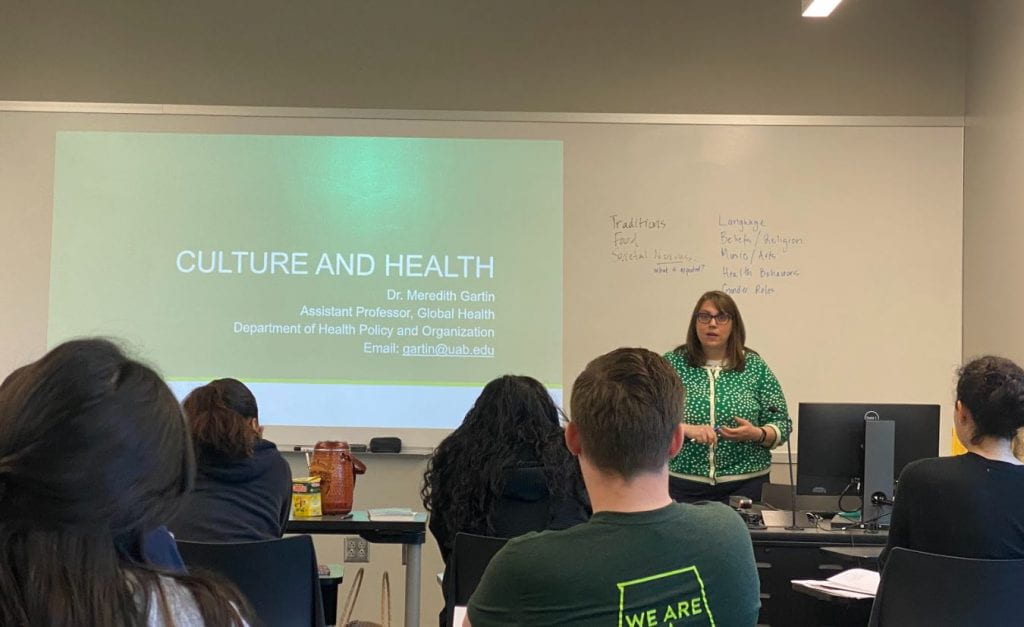
First, the students met with Dr. Meredith Gartin, associate professor in the department of Health Policy and Organization at the UAB SOPH. First, Dr. Gartin talked to students about culture and how culture can influence health behaviors and outcomes. She started by defining culture and discussed different dimensions of culture. When examining culture in a population, Jane Vines, an MPH Population Health student said “there is so much under the surface that you do not understand until you immerse yourself in the culture… that’s why immersive experiences like this course are so important.” Grace Albright, a Ph.D. student shared “What stuck out to me was how social norms are so ingrained into our culture that we don’t always think about them or even recognize them. Because culture is “learned” and “shared”, many of our “typical” health behaviors and customs are largely defined by those around us.”

Dr. Meredith Gartin, UAB SOPH

Dr. Gartin then discussed her work with the Alabama Interfaith Refugee Partnership (ALIRP). We learned about common refugee populations and about those who come to Alabama seeking asylum. Dr. Gartin highlighted the difficulties, challenges, and barriers that asylum seekers and refugees have securing legal status and basic human services, including preventative healthcare.

Tuesday, May 10th

Carrie Leland, MPA, executive director of Pathways, met with the students and introduced systematic barriers for people experiencing homelessness in Alabama. She provided several definitions of the term “homelessness” and discussed chronic homelessness and the services available in the community based on the Housing and Urban Development (HUD) definition. She also described Pathway’s programs, including their new emergency Childcare Center, which opened to mothers and children who are experiencing homelessness. After her discussion, Melissa Beck, an MPH Population Health student shared, “I was so impressed that Pathways had created childcare services for children, filling an important gap in the Birmingham community.”

Ms. Carrie Leland, Pathways

 Ritika Samant, a Fast Track MPH student in Health Behavior noted after both Dr. Gartin and Ms. Leland’s presentations that “there is a trend in where public health interventions take place, especially in regards to the most vulnerable populations, which makes me wonder if there are more upstream approaches which can be implemented to address the social determinants of health.”

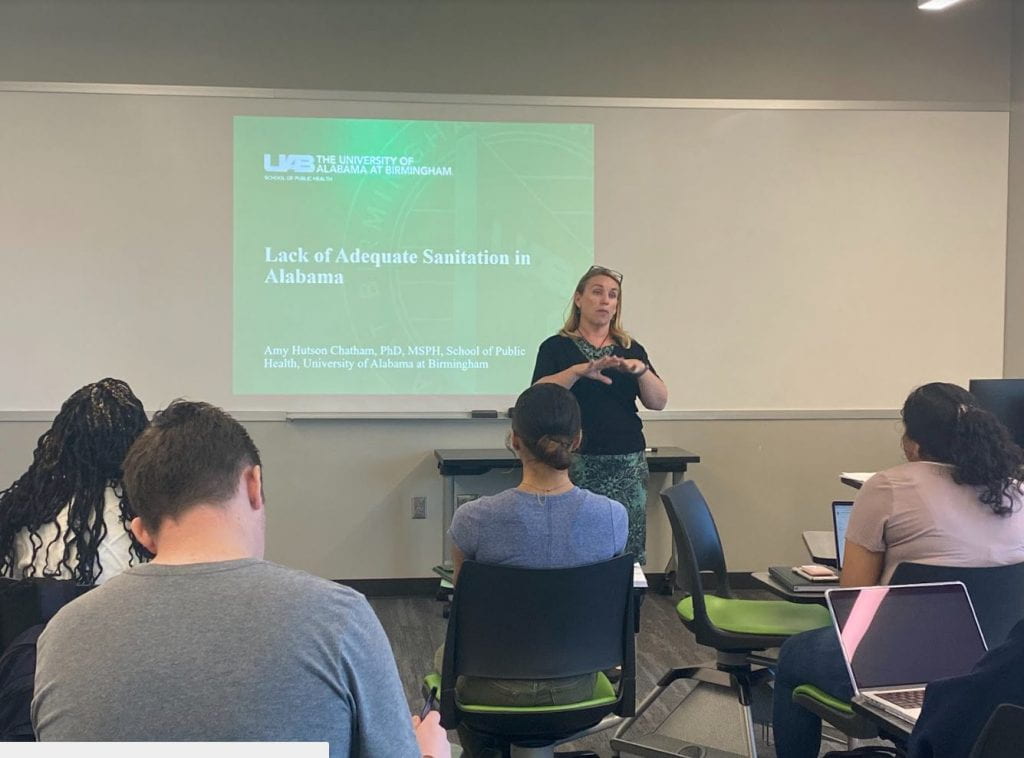
Dr. Amy Chatham, assistant dean for undergraduate education and assistant professor in the department of Environmental Health Sciences, discussed her rural health work in the Black Belt of Alabama, which focuses on sanitation, environmental activism, and health disparities. She described the lack of sewage treatment infrastructure in Lowndes, Wilcox, Perry, and Dallas counties (AL). People in these counties are still experiencing economic repercussions of the Black Belt’s history, and as such, there is not a tax base to support establishing basic environmental services that are important to keeping a community healthy. Dr. Chatham shared that people who live in rural Alabama have deep roots and ties to the region. Jonathan Baker, a public health undergraduate student said, “the people who live in these communities don’t want to leave their home, they have generational wealth in these properties.”

There needs to be more activism and action in these communities so that these problems will be addressed. Jane Vines summed it up best, “These are their homes, their history, and their heritage.. people in these communities shouldn’t have to leave to live.”

Dr. Amy Chatham, UAB SOPH

Later in the afternoon, students visited the new location of UAB’s 1917 Clinic at Dewberry and met with Kachina Kudroff, the prevention programs manager. Ms. Kudroff provided an overview of HIV in the United States, focusing specifically on the Southeast. Ms. Kudroff Kachina shared basic information on HIV transmission and prevention, discussed current treatment options and the importance of viral suppression, and challenges and barriers to accessing treatment for those living with HIV. Several students shared that they were impressed with the multidisciplinary approach to patient-centered care at the 1917 Clinic and how multiple services are co-located in the same building.  Maya Van Houten, an undergraduate public health student observed, “The 1917 Clinic is a one-stop-shop, where people can access needed services in one visit at one location in one day.”

The exterior of the 1917 Clinic at Dewberry


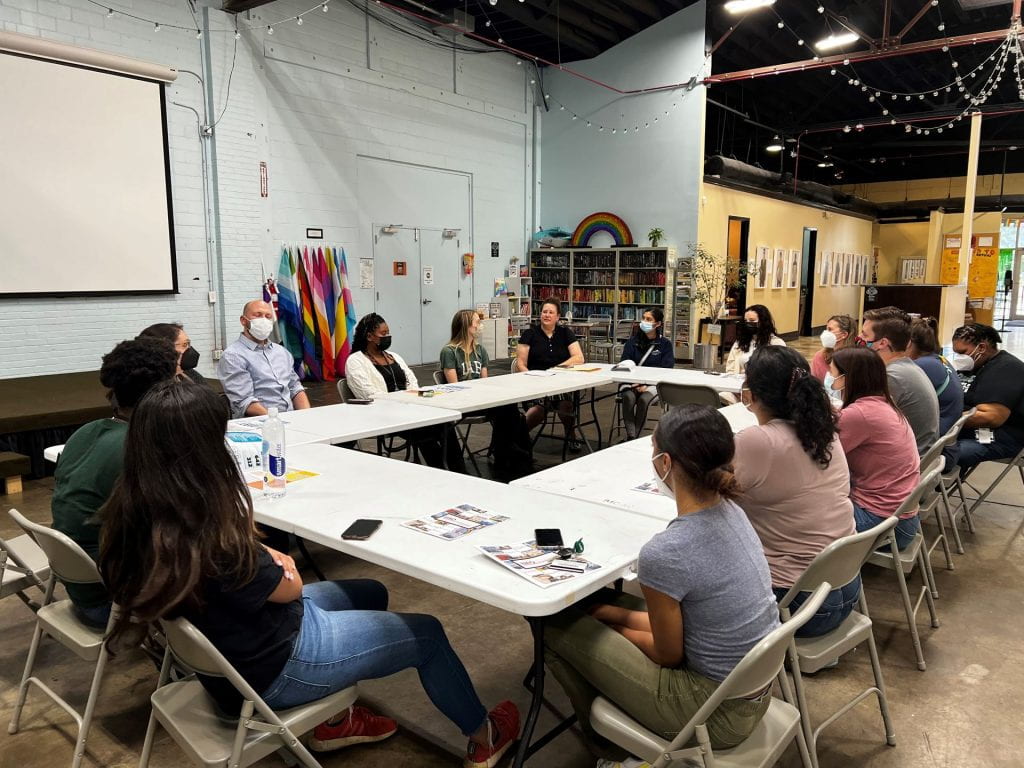
Next, we visited with Karen Musgrove, Ph.D., CEO, and Josh Bruce, MPH, Director of Research of Birmingham AIDS Outreach or BAO. The mission of BAO is to enhance the quality of life for people living with HIV / AIDS, at-risk, affected individuals, and the LGBTQ community through outreach, age-appropriate prevention education, and supportive services.   BAO is able to accomplish this mission through several programs including the Magic City Wellness Center (which provides wellness and medical for the LGBTQ community), the Magic City Acceptance Academy (which facilitates a community in which all learners are empowered to embrace education in an LGBTQ-affirming learning environment), the Magic City Research Institute (improving the health of and service delivery to people with HIV, the LGBTQ community, and other underserved populations through collaboration, research, and evaluation), the Magic City Acceptance Center (provides a safe, supportive, and affirming space for LGBTQ young adults and their allies providing weekly supportive and social services to the LGBTQ community), and the Magic City Legal Center (provides legal advocacy for LGBTQ communities and community members impacted by HIV).

Students talking with BAO Staff at the Magic City Acceptance Center

The students will leave Birmingham on May 12th and return on May 24th and will be blogging most every day!  Make sure you bookmark the blog and follow our adventures!

– Lisa McCormick and Meena Nabavi

Historical Pandemic and Outbreak Presentations

Students were assigned a historical pandemic and were tasked with creating a video presentation highlighting aspects of the event, including a description and historical context of the event, impact on populations (including morbidity/mortality), response, and lessons learned.

1918 Influenza Pandemic

1957/1958 H2N2 Influenza Pandemic

1968 H3N2 Influenza Pandemic

2009 H1N1 Influenza Pandemic

2014-2016 Ebola Outbreak in West Africa

2015-2016 Zika Outbreak

Blaze Explores Population Health in Panama

How exciting to have been invited by Dr. Lisa McCormick to accompany her PUH 496/696 Exploring Population Health course to Panama! Travelling with a group of UAB students to Panama has really been thrilling. Before we left Birmingham, the students spent a few days preparing themselves to get the most out of this experience by learning about public health programs in Birmingham, Alabama and the historical connections between Alabama and Panama. During that time, I have been doing my own research so that I will be prepared. Did you know that the population of Panama is 4.1 million and the population of Alabama is 4.9 million? And, Panama City with a population of 1.8 million is the largest city in the country much like Birmingham is the largest city in Alabama with a population of 1.15 million. I wonder what other things we will find in Panama that are similar to Alabama.

I have been practicing my Spanish to prepare myself.

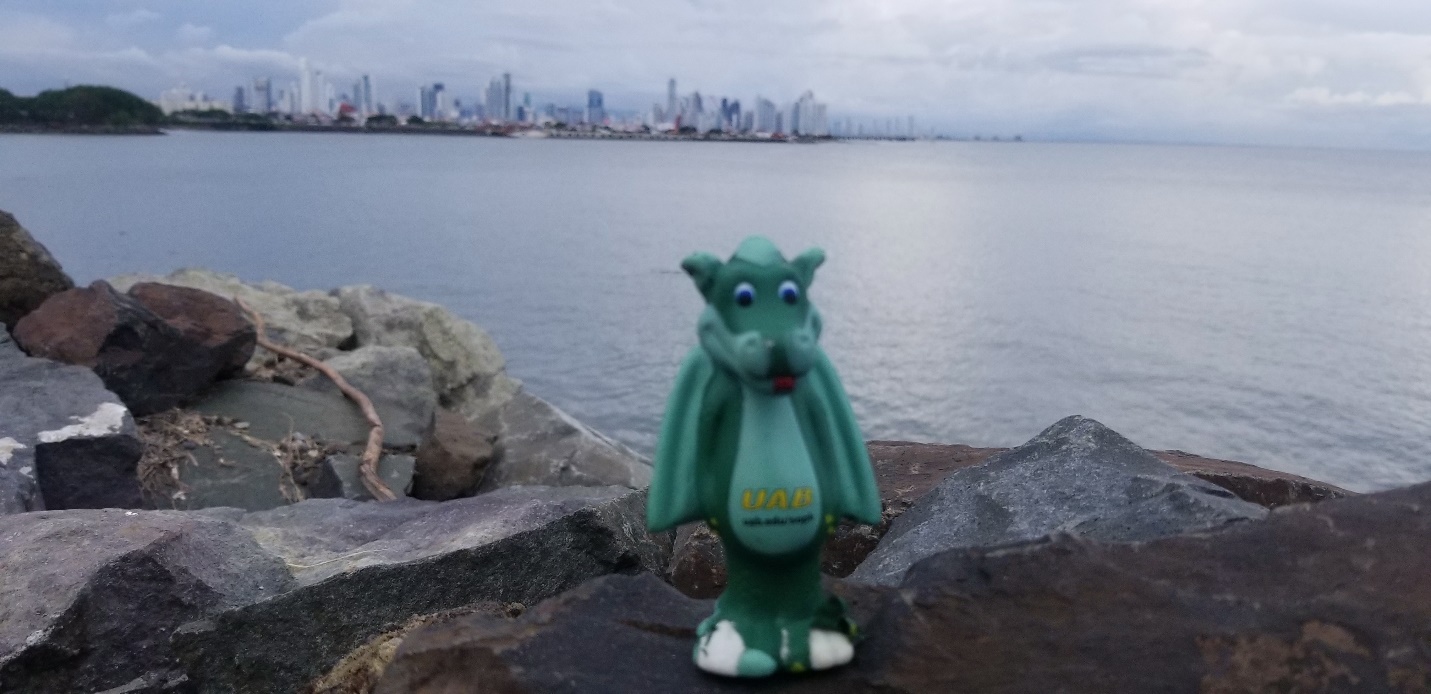
 Wait, I think I see Panama!

Our first day in the country and already we are on the go. We went to the Ciudad de Saber. That is the ‘City of Knowledge’ in English. Our first stop was at the Interpretive Center. There we learned about the history of the relationship between United States and Panama. Being on what used to be a military installation that is now being used to facilitate collaborations between non-governmental organizations, schools, universities, and tech companies is so encouraging. There is a feeling of openness and partnership as all of the resident-organizations have committed to engaging the Latin American communities to improve the health and well being in the region.

It reminds me a bit of the Innovation Depot in Birmingham, which has become the epicenter for technology, startups and entrepreneurs.  It has truly become the hub of economic development in Central Alabama.

Then after a great lunch, we went to the University of South Florida Health office to hear Dr. Arlene Calvo speak about historical aspects of health research and the public health system in Panama. I felt very pleased to hear about how Dr. William Gorgas from Mobile, Alabama was responsible for reducing the transmission of yellow fever and malaria in 1904 by creating the necessary infrastructure. His efforts facilitated the completion of the Panama Canal.

Did you know that the Gorgas Course in Tropical Medicine was launched as a collaborative partnership between the UAB School of Medicine and the Universidad Peruana Cayetano Heredia with the purpose of filling an educational gap for the international medical community seeking an intensive experience in tropical medicine with a focus in clinical activities and substantial exposure to real patients. After more than two decades of uninterrupted activity, the Gorgas Courses have trained more than 800 participants.  Currently, the Gorgas Courses in Clinical Tropical Medicine are held at the Alexander von Humboldt Tropical Medicine Institute in Lima, Peru. The diverse geography of Peru provides participants with an unparalleled opportunity of a first-hand exposure to the unique wide spectrum of tropical diseases that concentrate in this facility including: anthrax, cholera, leptospirosis, leprosy, HTLV-1, HIV, viral hepatitis, yellow fever, rabies, malaria, leishmaniasis, Chagas’ disease, strongyloidiasis, and histoplasmosis.

On the first Friday of our trip, we visited the Las Mañanitas Health Clinic. Las mañanitas is the traditional birthday song sung in Latin American countries. Las Mañanitas Health Clinic is funded by the Panamanian Ministry of Health and host a multitude of preventative services. It serves a community of over 60,000 residents!  The staff here is committed to providing services to any and all who need their care at no or very minimal costs.

It is also interesting to note, that much like the environmentalists that let us shadow them in their house-to house visits in Las Mañanitas who are preparing to battle mosquitos and subsequently the diseases that they spread during the rainy season, the City of Birmingham Mosquito Spraying began spraying Birmingham neighborhoods on Monday, May 6.  This coincides with the summer increase in mosquitos that need to be controlled to reduce the risks of diseases such as Zika and West Nile Virus in our communities. The Birmingham technicians treat each neighborhood weekly on the scheduled day of the week, weather permitting. However, unlike what we saw in Panama, residents in Birmingham can request an exemption and have their address listed as a “no spray” address.

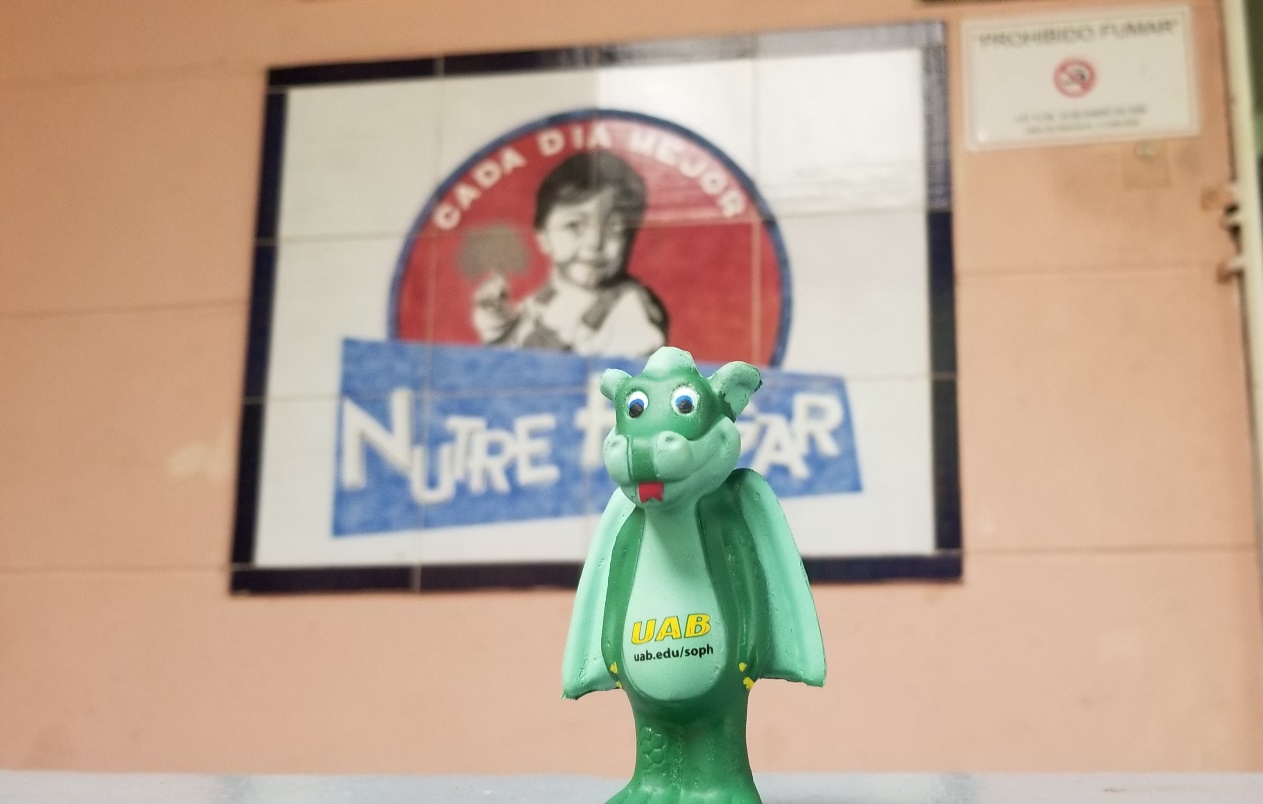
Next we visited the non-profit, Nutre Hogar.  It was located not far from the Panama Canal and is a home for indigenous children suffering from malnutrition. Cada Dia Mejor means “every day better” in English. This Panamanian non-profit is committed to treating the nutritional needs of children a day at a time at their facility. It was interesting to see young children temporarily residing in a medical unit/home for nutritional therapy.  In Alabama, we have programs like the Special Supplemental Nutrition Program for Women, Infants, and Children (WIC) that provides federal grants to states for supplemental foods, health care referrals, and nutrition education for low-income pregnant, breastfeeding, and non-breastfeeding postpartum women, and to infants and children up to age five who are found to be at nutritional risk.

When touring Casco Antiguo, the colonial town of Panama City, we viewed a number of beautiful churches. Much like in Alabama, religion plays a significant role on culture in Panama. This was a good time for us to reflect on how religion impacts the public’s health through policy and educational accessibility.

During our time in Panama, we spent a lot of time on buses getting to all of the educational places that we needed to go. I have noticed billboards along almost every roadway that feature famous international figures in a public health campaign to encourage seat belt use and adherence to the speed limits. But feeling like there were so many near misses while riding in the buses and watching pedestrians cross four lanes of traffic on the highway, I was curious about mortality rate associated with traffic accidents. I just had to check. What I found is that according to the latest WHO data published in 2017, Road Traffic Accidents Deaths in Panama reached 420 or 2.44% of total deaths. In Alabama in 2017, according to the Alabama Department of Transportation, there were 857 fatal crashes leading to 948 fatalities. Public health education and promotion regarding traffic safety are necessary everywhere. Wait a second while I put on my seatbelt.

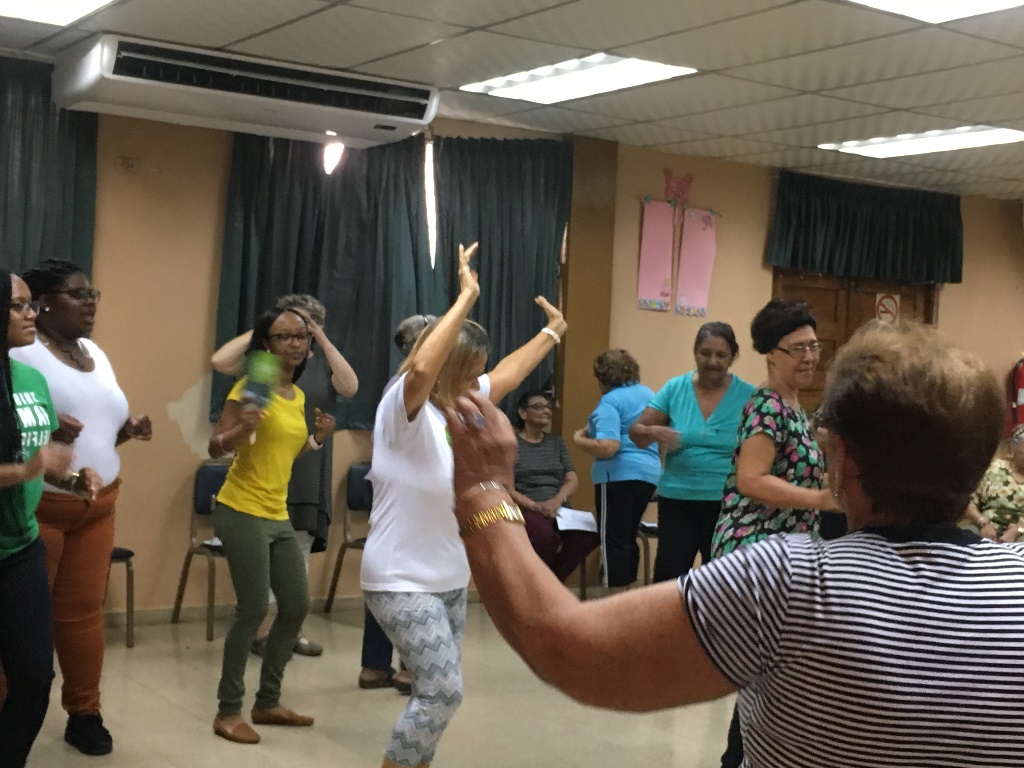
While we were in Chitre’ we participated in three service learning activities, two at elementary schools and one at a senior center. The elements that make service learning effective are providing what the community asks for using course content to enhance experiential learning for mutual benefit, being flexible and adaptable, and reflecting on the experience by answering: what was done?, why did it matter?, and now what will be different? The UAB students offered health education to Panamanian schoolchildren and a group of seniors based on the requests of schools in Chitre’ to reinforce important public health concepts. Before arriving in Panama, the UAB students worked to prepare appropriate lessons, however, once arriving in each location, they had to adapt the plan to work in the situation. This was amazing to watch. Our students used their soft skills to be able to effectively change the initial plans to appropriately fit each situation. Debriefs following each service learning experience, daily reflections and this blog are the many opportunities that were used to reflect on the personal learning.

The service learning days were perhaps my favorites because I watched cultural and language barriers fall while the UAB students sang, laughed, and played games with the school children and danced and danced with the women.

Much like the state of Alabama, Panama has a large urban area at the center of its boundaries. Birmingham and Panama City both sit squarely at the center geographically. Santo Tomas Hospital and UAB Hospital both provide the best medical available in their regions. Yet, both have large rural areas that are remote from accessing this due to distance or lack of available transportation. The public health systems provide preventative care through the Ministry of Health regional clinics in Panama and the county public health departments in the United States. There are smaller hospitals that provide services to these rural communities, but in an extreme health event patients need to be brought to Panama City and UAB hospitals.

This urban vs. rural access to care was very evident when we spoke with Dr. Anna Arrouz. She spoke about how HIV-positive patients in Panama often need to come to Santo Tomas or the Social Security hospital in Panama City to receive testing, access anti-retroviral therapy, or receive hospital care if they are undiagnosed and contract a life-threatening co-infection and must be hospitalized with AIDS. I am reminded of the revolutionary work of Dr. Michael Saag at UAB back in the 1980s when he and his UAB co-investigators traced the source of HIV, helped develop revolutionary treatments, and brought hope to patients from Alabama and the world. Dr. Arrouz with her limited resources is bringing hope to HIV patients in Panama. Her commitment to both the prevention and treatment of HIV is making a difference.

When we went to the Biomuseo, the biodiversity museum, I was struck by the natural marvels that compose all of Panama’s ecosystems and I was thrilled by their commitment to preserving that diversity.

Likewise, maps published in 2017 by biodiversitymapping.org and based on maps developed by Clinton Jenkins at the Instituto de Pesqusas Ecologicas published at proceedings of the National Academy of Sciences have revealed that Alabama is one of the most biodiverse states in the areas of aquatic species and trees. Many environmental nonprofits (the RiverKeepers and Nature Conservancy) in Alabama have realized the importance of that distinction and work diligently to preserve that diversity.

On the day that we went to see the Embera’, one of the many indigenous groups in Panama, I thought of the indigenous groups from our home state.

Did you know the name “Alabama” is a Muskogeannative American word? It meant “campsite” or “clearing,” and became used as a name for one of the major tribes in the area, the Alabama (or Alabamee) Indians. The original inhabitants of the area that is now Alabama included the following tribes: Alabama, Biloxi, Cherokee, Chickasaw, Choctaw, Koasati, Mobile, and Muskogee Creek.

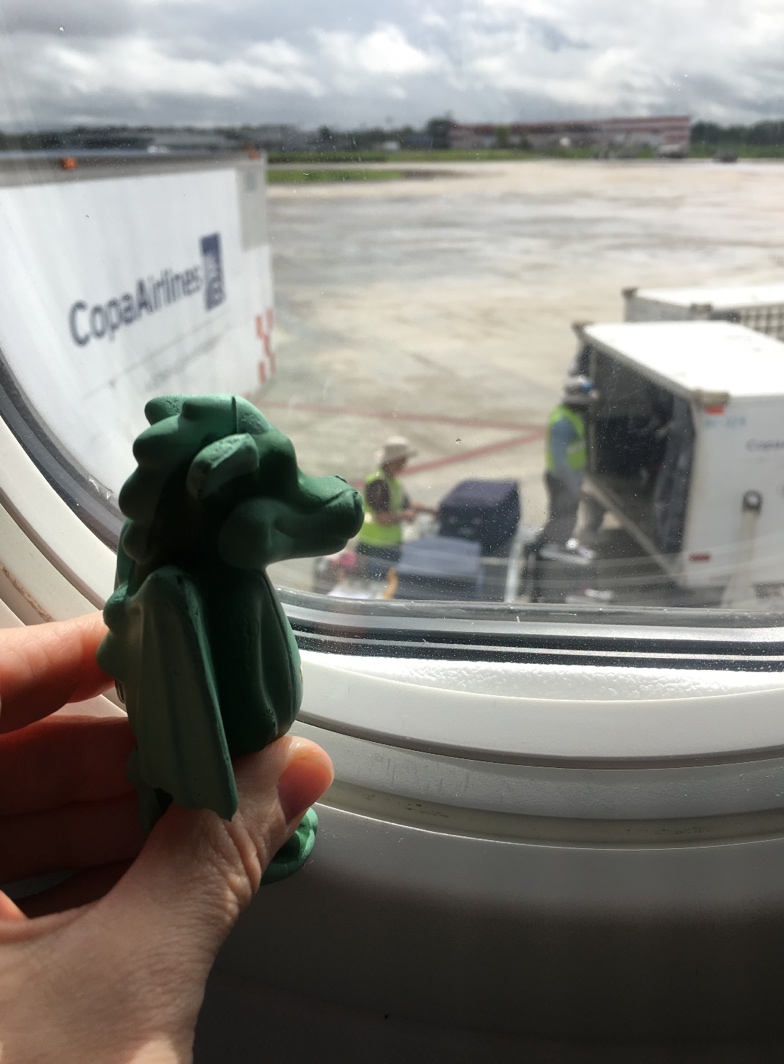
Now it is time to say good-bye to Panama. It was an amazing trip full of meaningful connections, deep experiences, cultural exchange, and service learning. I learned so much about population health, health equity, and social determinants of health during the last 11 days. Travelling and working with Dr. Lisa McCormick, Dr. Ela Austin, Meena Nabavi, and the thirteen public health students was both interesting and fun. I am a bit tired, but I am going to use the time on the flights back to Birmingham to reflect on all that we have experienced and learned.

I hope to return to Panama with other UAB students. I can see how so many of them will benefit from the experience of learning in a country that has one of the fastest growing economies in the world, a public health system committed to the wellbeing of its citizens, and innovative efforts around environmental sustainability.

And between you and me, I certainly hope that I will be invited to join the Population Health course again next year. I hear that they are going to England!

A Deep Dive into the World of Indigenous People in Panama

Panama Viejo

Our group visited Panama Viejo on Friday.  The Panamanian people are a people who are exceptionally proud of their rich history and Panama Viejo is a living exhibit of this history. A direct translation of Panama Viejo is “old Panama” a fitting name for the oldest structures in the country of Panama. Founded on August 15, 1519 by Pedro Arias de Avila, a Spanish conquistador, the original Spanish settlement of Panama served as a convenient home base for gold excavations across the Americas. This area served as a Spanish stronghold for more than 150 years until 1671 when the English, led by Sir Henry Morgan, attacked Panama Viejo leaving the city to deteriorate into the ruins that remain today. Over the years the area surrounding Panama Viejo declined economically and the houses in the vicinity of the ruins are those of the poverty rampant across Panama. It was not until 1997 when UNESCO declared Panama Viejo a world heritage site that restorative and tourism initiatives began in the old ruins.

During our group’s visit, the large majority of our time was spent in the cutting-edge museum at the foot of the ancient ruins. The museum is a chic two-story building with a multitude of brightly colored rooms walking visitors through the history of Panama Viejo. On the walls are informative plaques, like the one displayed in the photograph, describing the history of the old city. The exhibitions start all the way back with the Spanish conquest and as one walks from room to room the exhibits contain more recent history. Several of the rooms had interactive components including a replica of the city in the 1500s and a room mimicking a Spanish colonial household.

Once one finishes the route through the museum and enters the courtyard, the view of the ruins of Panama Viejo stick out alongside the skyscrapers of present day Panama City. Several old buildings and walls remain, and the area is open for adventure. One particularly tall tower, pictured below, still stands 70 meters tall and after an arduous climb up several flights of stairs offers a beautiful view of the ruins and surrounding cities. After scaling the tower, our group of students was able to spend time observing the walls and structures sleft standing in the courtyard and once the searing sun reappeared after a brief shower our group quickly reloaded the buses.

Panama Viejo Ruins

Indigenous Communities of Panama

Tusipono Emberá – Where the River Takes Life

The Tusipono Embera are just a small part of the Embera people with about 30,0000 still living in the Darien Gap and 50,000 living in the Choco region of Columbia. Whether the Embera migrated to Panama or not is still unknown, however, they have been there for centuries. The Panamanian government has seven Embera Comarca’s, which are like reservations for the tribes. Panama did not recognize the Embera people until 1975 when they gave them rights to education and health. Currently, they have access to health care, vaccines, and schools but they often may have to travel great distances to access it. The Embera tribe that we visited near Panama City lives in an area that is now a national parks meaning the Embera cannot use the land or trees for their traditional living habits. Therefore, the Embera cannot farm, use trees for building materials or clothing, or hunt on the grounds. However, through tourism many Embera, such as the Tusipono, make their living. Tourism allows the tribes to have money for staple needs and be able to keep their traditions alive. Though tourism has become a part of their life, one begins to wonder how increased tourism will adversely affect the tribes. Yes, the people can achieve a healthier life and maintain cultural traditions, but at what cost? One hopes as Panama grows, it does not lose its culture for the sake of money.

At 9:00 AM, we departed Panama City to meet the Tusipono Emberá Tribe located in the Chagres National Park along the Alajuela Lake, which feeds the Panama Canal from the Chagres River. On our way to our destination, we stopped for fruit, water, and ice. During this stop a few of us went with our tour guide to the fruit stands where we were able to try fruit that we don’t normally encounter – fruits like lychee and pig spine. Back on the bus, as we headed to Chagres National Park, we learned more about the educational system in Panama and the differences between public and private schools as well as what the government has done to incentivize parents keeping their children in school. In many communities, public school operate on two shifts, in the morning and afternoon, in order to accommodate all of the pupils, but in private schools students attend full days. However, lower-income families do not have access to a private school education and receive a stipend for each child enrolled in public school if they perform to ‘standard.’ While on the road, we drove through some rural areas that do not have piped water or sewer systems.  People who live here have tanks that fprovide potable water to their homes.  Water is trucked in and pumped into these tanks, which is ironic since the nearby Chagres River is the main water source for Panama City. 

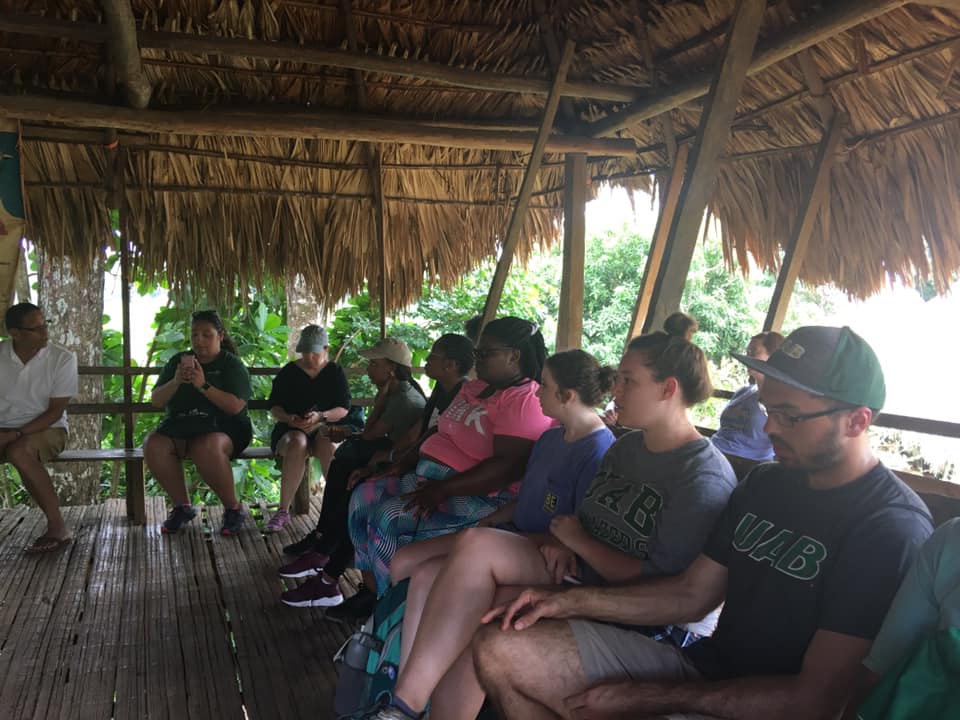
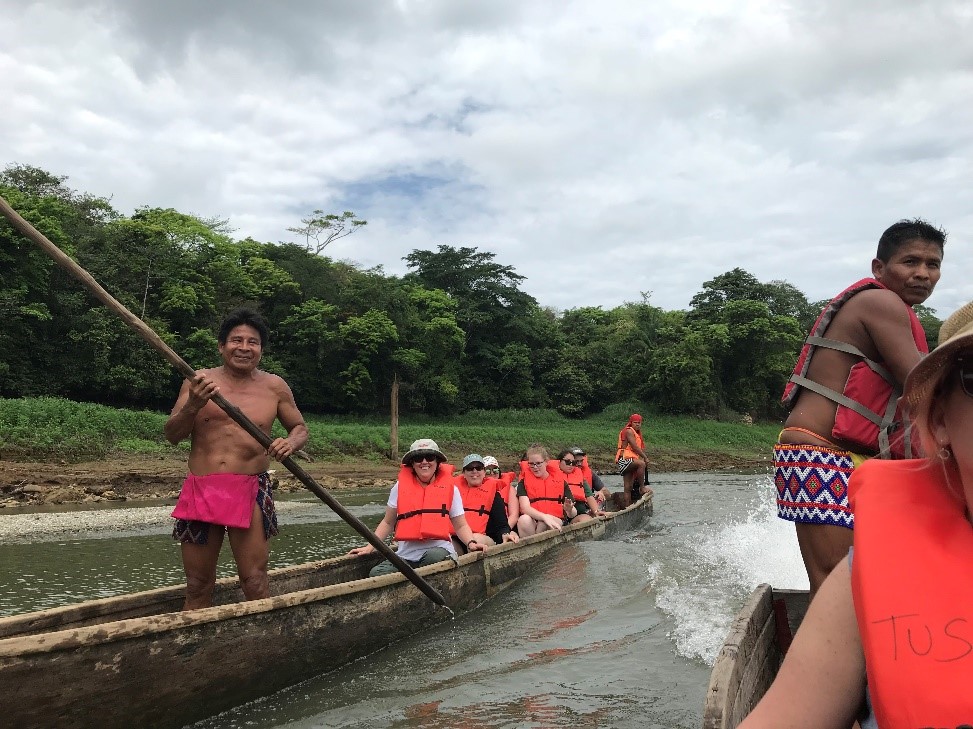
We arrived at the Chagres River at 10:30AM and boarded canoes that took us down the Chagres towards the Tusipono Emberá village located about 15 minutes away from the loading dock. We hobbled into two canoes and were led by two indigenous men, one steering and pushing the canoe from the front and one steering and pushing the canoe from the back. Because rainy season had just begun, the waters were low. Because of this, some of us got in the water to help push the canoe. But we were still able to enjoy the beautiful water and surrounding area and two baby alligators that were sunning on the banks of the river. We arrived and climbed up a hill to be welcomed by several women of the tribe shaking our hands and a few men and boys playing instruments to greet us as we walked to the main center and then into a man-made palm structure where we were welcomed by the “Noco” or chief of the community.

The Noco told us more about his community of about 75 people made up of about 22 families, the majority of which had come from the Emberá community come in the Darien. He shared with us that its name, Tusipono, is derived from a tree with a very striking flower that stands out among the tropical rain forests that surround the mouth of the river. Then he taught us a few words of the Emberá language like friends and thank you or “bia bua”. Then we saw the fine crafts that the Emberá are known for and were told more about tagua seeds and the art carved from those as well as the cocobolos wood crafts, and fibers used for making baskets. We watched one the girls weaving a basket and passed around things like turmeric and mud that are used to dye the fibers for the baskets, bowls, and vases. From this, the Noco answered some of our questions like what they do if someone is sick and where do the children go to school. He told us that they use herbal medicine, but if the problem is drastic, they will use more westernized medicine. He also informed us that women birth their babies in their homes unless there is a complication. We also learned that the children attend the nearby school with members of the community that we passed through on our way to the river. We then got to experience more of their culture as we ate freshly fried tilapia and yucca from heliconia leaves that they had folded into cones for us.

Once we finished eating, we were allowed to roam the grounds. We saw the homes of the families as we walked to the Butterfly Room where we viewed seven species of butterflies in a garden containing the plants and flowers of the region. We viewed the life cycle from the cocoon stage, to the pupa, and then a fully grown butterfly. After this we were led to the main gathering point where we were treated to traditional Emberá dance and music. The Emberá use inspiration from their environment to imitate the behavior of animals and relationship with others to create different dances and music. Here we saw two traditional dances: The Dance of the Monkey and the Dance of the Two Sisters. We also heard music known as the Music of the Rumba of Panama and were then pulled from the audience to participate in some of the dancing as well. Afterwards, several of us received temporary tattoos from the community as well as opportunity to purchase handcrafted goods created by the different families. Before we left, we were greeted by Princesa, an orphaned Spider Monkey, that was adopted by the Noco as he had found her in the forest hurt by a Harpy Eagle. Many of us were able to hold her and feed her the bottle of human breast milk that they were giving to her. We then returned to the canoes to head to the Alajuela Visitor’s Center to read more about the artwork that we had seen, the materials used, and wildlife and flora in the Chagres National Park, as well as viewing a map to see where we had traveled.

From canoeing to bus rides, we arrived back in Panama City to prepare for our return to Birmingham. It was hard to believe that our time in Panama was finished for now.

Group 4 – Panama Special Viral Unit

Tim McWilliams

Wilnadia Murrell

Leahgrace Simons

Nadia with Princesa